'/%3E%3C/svg%3E)

'/%3E%3Cpath%20fill='%23b2b2b2'%20d='M241%20382q0%2016%2017%2026%2017%2011%2042%2011t42-11q16-11%2017-26V269H241'/%3E%3Cpath%20fill='%239f7e00'%20d='M241%20379q0%2014%208%2023%209%209%2021%209%2014%200%2021-9%209-9%209-23V269h-59'/%3E%3Cpath%20d='M241%20339v-70h59v110q0%2014-9%2023l-6%205v-68h-15v72q-8%200-14-4v-68zm59%2040c0%2022%2015%2032%2029%2032%2021%200%2030-18%2030-32v-40h-59'/%3E%3Cpath%20fill='%239f7e00'%20d='M266%20277v5h2v12h-3v-5h2v-5h-9v5h2v5h-4v9h3v18h-5v10h34v-10h-5v-18h3v-9h-4v-5h2v-5h-9v5h2v5h-3v-12h2v-5zm42%20101q0%2010%206%2017%206%206%2015%207%2010-1%2016-7%206-7%206-17v-29h-43'/%3E%3Ccircle%20fill='%230044ad'%20cx='329.5'%20cy='372'%20r='6'/%3E%3Cellipse%20fill='%230044ad'%20cx='300'%20cy='340'%20rx='16'%20ry='21'/%3E%3C/svg%3E)




Is there such a thing as too much freedom in an open-world RPG? It may not seem like it’s possible, but it is. While open-world RPGs are quite literally defined by the freedom they offer—as the genre’s name even implies—sometimes, that freedom gets out of hand, and what was originally designed to be flexible for the player’s sake ends up being a spineless organism that ultimately moves against them instead. Those are the open-world games that some players never even finish due to how aimless they leave them feeling and the general lack of purpose their limitless freedom gives the story and the world itself.
Of course, that doesn’t necessarily make them bad games. In fact, some of them are among the most beloved RPGs ever made. But there is a point where being able to go anywhere, do anything, and essentially play the game however you want can start to feel more overwhelming than freeing. There are plenty of gamers out there who prefer a bit of structure in their games, and those who’d say they don’t probably want it more than they think. Whether it’s a world that barely points you in any direction, a main story that’s far too easy to forget about, or so many options that deciding what to do next becomes a problem of its own, these open-world RPGs arguably give players almost too much freedom for their own good.
This list isn’t arguing that freedom is inherently a bad thing. These games were chosen because their open-ended design can sometimes work against the experience, whether by making progression feel aimless, overwhelming players with possibilities, or weakening the sense of direction and urgency.
Kenshi
When “Do Whatever You Want” Becomes the Problem
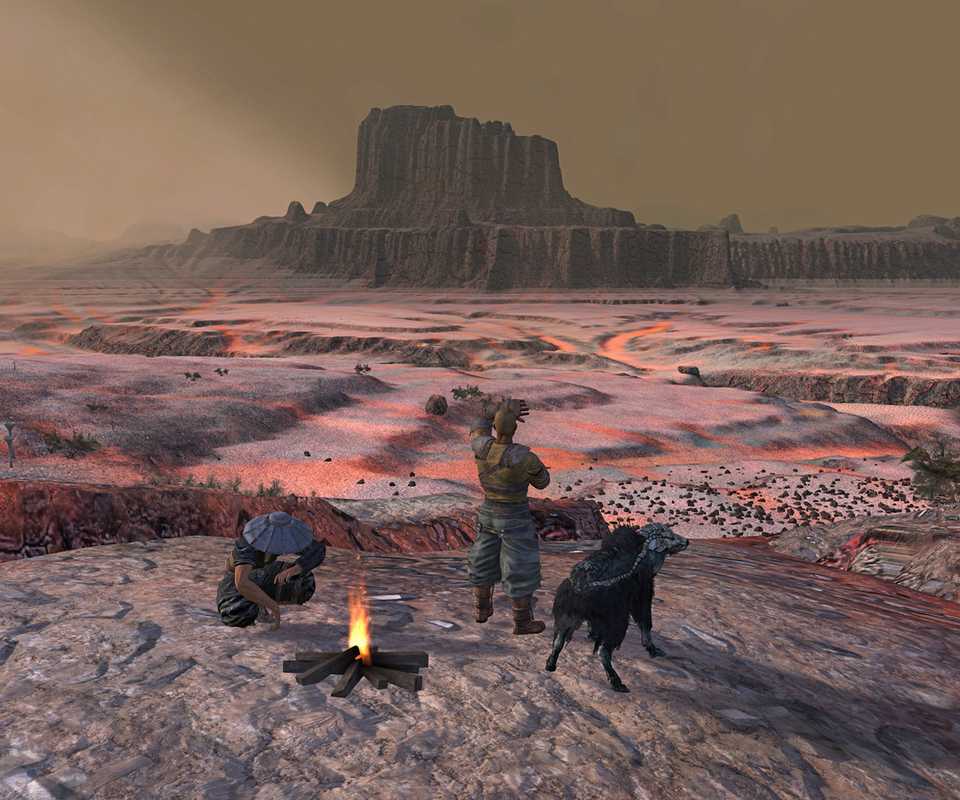
Kenshi is probably one of the easiest games to point to when talking about freedom becoming a problem, because it basically throws you into its world and says, “Alright, figure it out.” There isn’t some massive main quest waiting to pull you along, you’re not the chosen one, and the game really doesn’t care what you decide to become. You can wander around as a trader, build your own settlement, hunt bounties, recruit a small army, become a thief, or just get beaten half to death by the first group of bandits you come across. In theory, that sounds incredible, and for the right player, it absolutely is. But Kenshi gives you so few rails to grab onto that simply deciding what you’re supposed to be doing can become the hardest part of the game.
Related
8 Reasons Why You Should Play Kenshi
Kenshi offers a desolate open-world survival experience. Here are some great reasons why you should play this unique game.
That’s especially true during those first several hours, when you don’t really have enough knowledge of Kenshi’s systems to know which direction is even worth heading in. There are goals to pursue, of course, but most of them are goals you have to come up with yourself, and the game isn’t particularly interested in helping you get there once you do. That makes every success feel like it genuinely belongs to you, but it also means Kenshi can feel completely aimless until something finally clicks. For some players, that’s the entire appeal. For everyone else, it’s easy to spend hours wandering around, getting robbed, starving, and wondering when the game is actually going to start.
A World So Open It Barely Knows What to Do With You
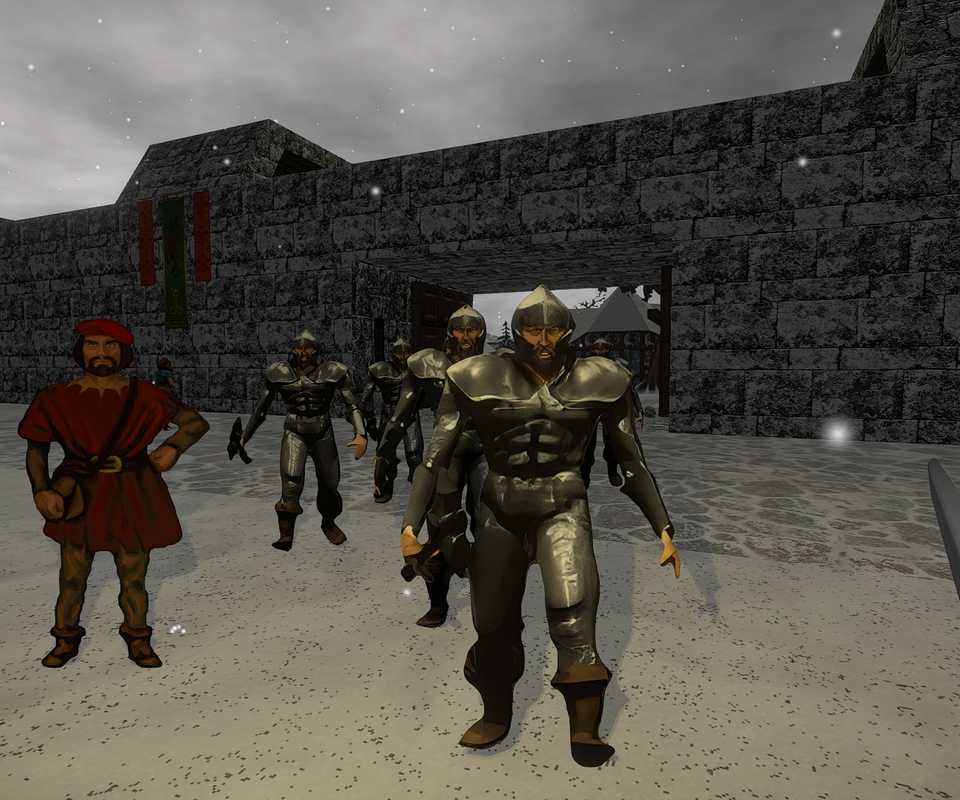
If Kenshi is willing to let you figure things out for yourself, The Elder Scrolls 2: Daggerfall practically forgets you’re there. Even by modern open-world standards, Daggerfall gives players an absurd amount of freedom. You can join factions, buy property, take on quests, explore enormous dungeons, practice different skills, and spend hours wandering around without making any meaningful progress on the main story whatsoever. That was incredibly ambitious for 1996, and honestly, there is still something impressive about how little the game tries to dictate the kind of character you’re supposed to become. The problem is that Daggerfall can be so hands-off that it becomes remarkably easy to lose any sense of what you’re actually working toward.

Put the consoles in the correct order.
Easy (5)
Medium (7)
Hard (10)
Start
A lot of that comes down to the sheer scale of the thing. Daggerfall’s world is absolutely massive, its dungeons can feel like mazes designed by someone who actively doesn’t want you to leave, and much of your time can be spent bouncing between towns and quests without feeling like you’re getting anywhere. There is plenty to do, but that’s almost the problem. Without the stronger sense of direction later Elder Scrolls games would provide, all that freedom can eventually start feeling like noise. Players who love making their own stories can lose hundreds of hours to it, but anyone waiting for Daggerfall to give them a reason to keep moving may find themselves wondering what they’re supposed to care about in the first place.
Outward
Freedom Means Very Little When You Have No Idea Where to Go
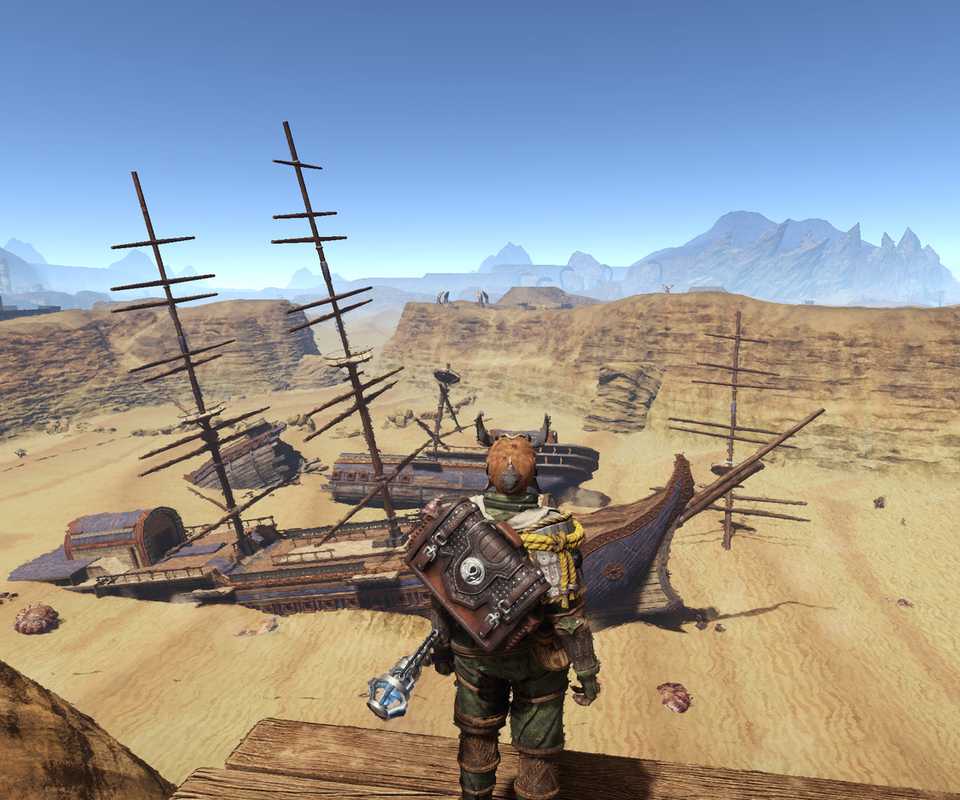
Outward is one of those games that sounds almost perfect if you love RPGs that refuse to hold your hand. There are no traditional quest markers constantly telling you where to go, fast travel is basically nonexistent, and even the map doesn’t show your exact location. Instead, you’re expected to pay attention to landmarks, learn the world for yourself, and actually prepare before heading out on a long trip. I genuinely like a lot of that in theory, because it makes exploration feel more involved than simply following an icon across the screen. The problem is that Outward can take that philosophy so far that freedom starts feeling a lot more like confusion.
That becomes especially noticeable when you’re trying to figure out where a quest wants you to go or whether you’re even heading in the right direction. Getting lost can be part of the adventure, but when traveling itself already requires managing food, weather, stamina, diseases, and everything else Outward throws at you, realizing you’ve spent the last 20 minutes walking the wrong way isn’t always charming. The game gives you plenty of room to make your own decisions, but it also gives you plenty of room to waste your own time. For players who want an RPG that makes every journey feel like an actual journey, that’s a huge part of the appeal. For everyone else, Outward can make you appreciate a good quest marker pretty quickly.
Mount and Blade 2: Bannerlord
So Much Freedom That You Have to Invent the Point Yourself
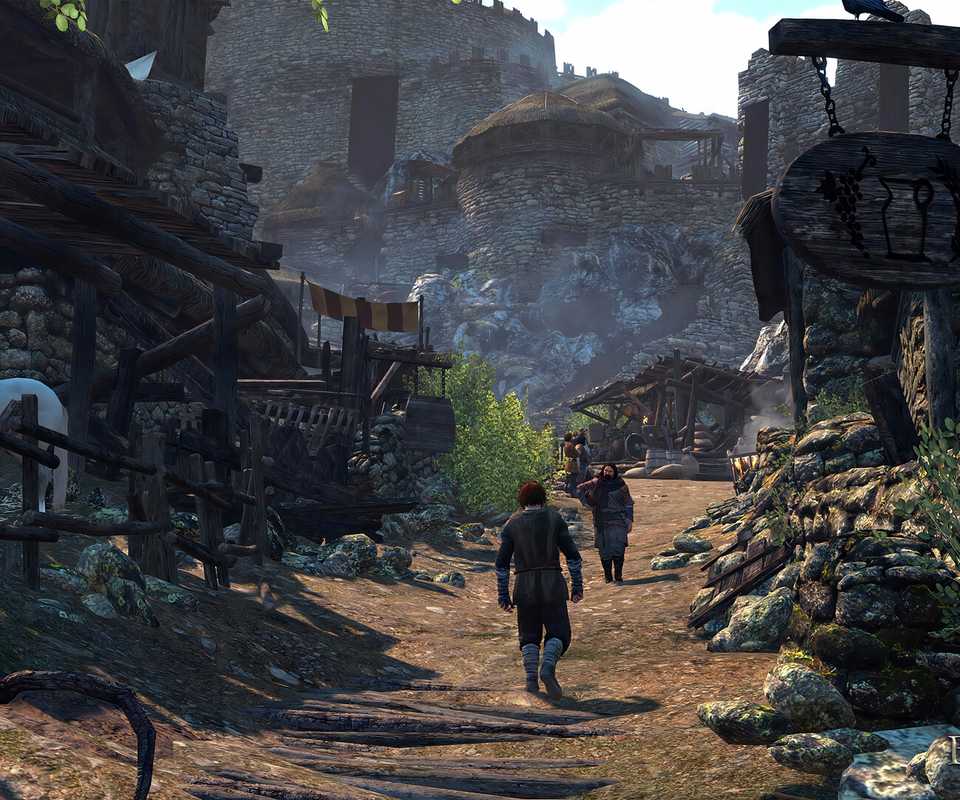
Mount and Blade 2: Bannerlord gives you an incredible amount of control over what kind of life you want to live, which is also exactly why it can be so difficult to know what you’re supposed to be doing. You can become a mercenary, swear loyalty to a kingdom, build up your own army, trade goods between cities, marry into a powerful family, take castles, start wars, or eventually try to rule Calradia yourself. There is technically a main quest there, but Bannerlord has never really been about following a tightly written story from beginning to end. The real game is everything that happens around it, and while that freedom is a huge part of what makes Bannerlord so appealing, it can also leave the whole experience feeling strangely directionless.
Related
20 Games To Play If You Love Mount & Blade 2
Fans of Mount & Blade 2 owe it to themselves to try these similar games if they haven’t already, from Kingdom Come: Deliverance to Kenshi.
That becomes even more noticeable once the early excitement of building your character and army starts to wear off. At some point, Bannerlord basically expects you to decide what your next big goal is going to be, and if you don’t have one in mind, it’s very easy to fall into a loop of fighting battles, recruiting troops, making money, and taking territory without feeling like any of it is building toward something. You can absolutely create your own stories along the way, and some of the game’s best moments come from doing exactly that. But Bannerlord gives players so much freedom to write their own story that anyone waiting for the game itself to provide a strong sense of purpose may eventually realize they’re mostly just making numbers go up because they can.
Wartales
The World Keeps Opening Up, But the Purpose Gets Harder to Find
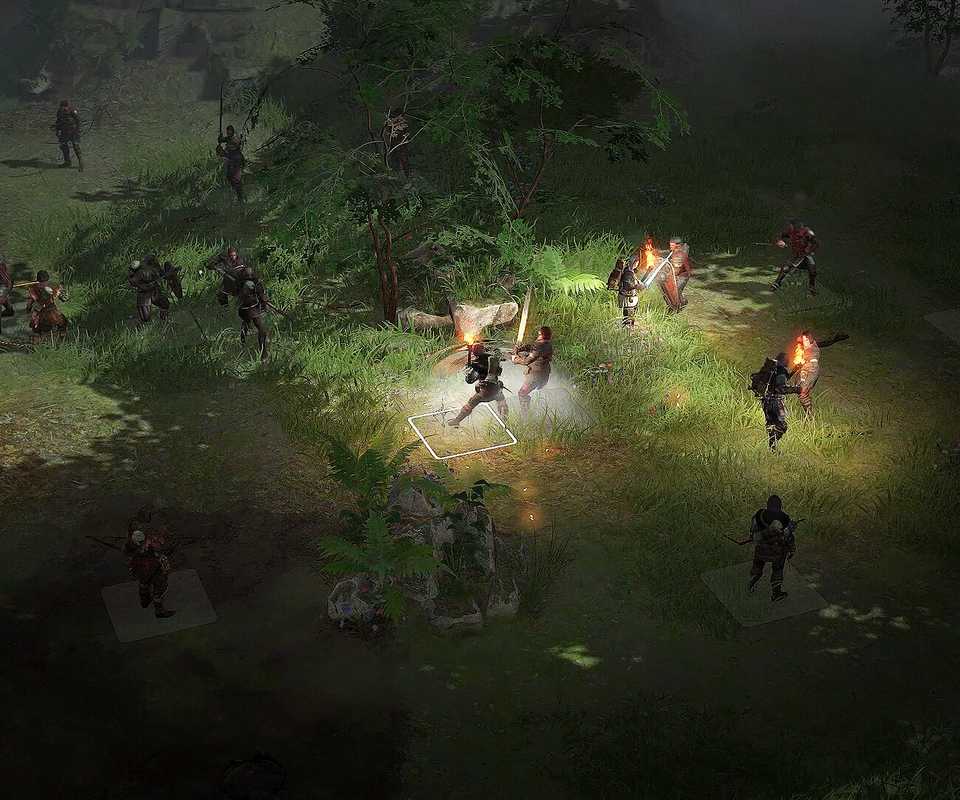
Wartales gives you a lot of freedom almost immediately, and that’s a huge part of what makes it so easy to sink a ton of hours into. You’re basically handed a group of mercenaries, dropped into a massive world, and left to decide what kind of company you want to become. You can take contracts, hunt criminals, explore ruins, trade between towns, recruit new companions, get involved in regional conflicts, or just wander off and see what you run into. There are stories playing out across each region, but Wartales never really treats any one of them like the thing you absolutely have to be doing. That makes the world feel wonderfully open, but it can also leave you bouncing between objectives without ever feeling like you’re moving toward one larger goal.

Guess the games from the emojis.
Easy (120s)
Medium (90s)
Hard (60s)
Start
Gamoji
Guess the game from the emojis.
Guess the games from the emojis.
Easy (120s)Medium (90s)Hard (60s)Start
Gamoji
Guess the game from the emojis.
The problem gets worse as your options continue piling up. There is almost always another contract to accept, another location to investigate, another profession to level, or another piece of gear worth going after, and before long, it becomes surprisingly easy to forget why you went somewhere in the first place. Wartales is at its best when you’re setting your own goals and treating your mercenary company like its own little ongoing story, but that also means a lot of the motivation has to come from you. If that self-directed style doesn’t click, the game can start to feel like an endless string of jobs rather than one adventure that’s actually going somewhere.
Battle Brothers
Sometimes Having No Real Destination Is the Destination
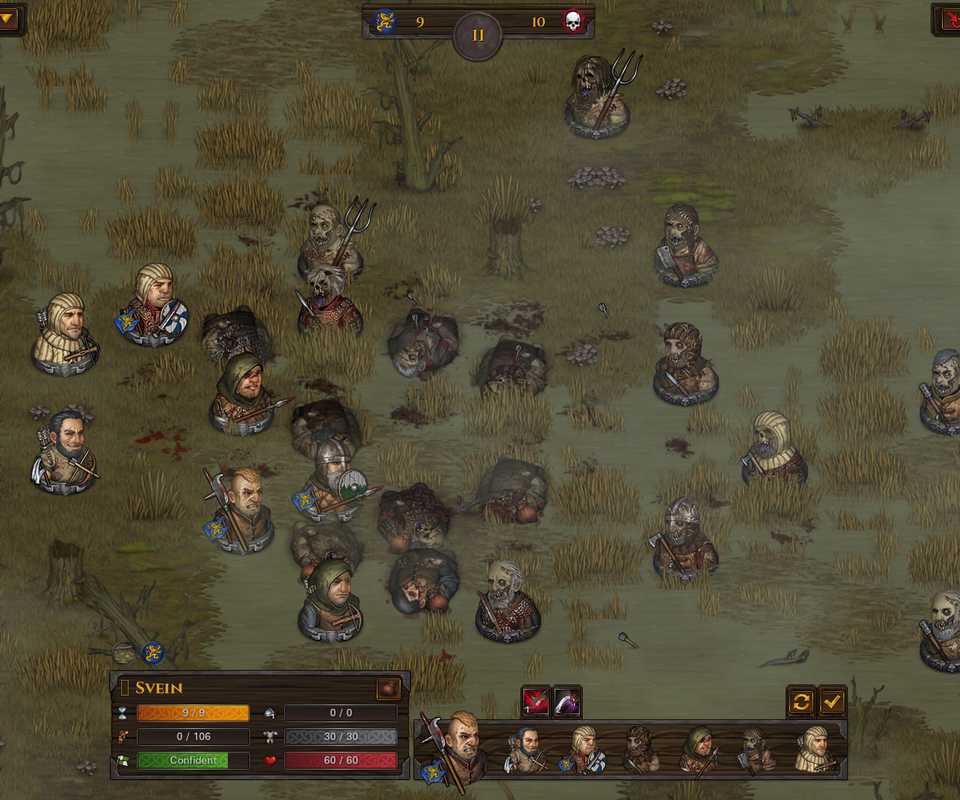
Battle Brothers basically hands you a mercenary company and tells you to go make something of it. You can travel from town to town taking contracts, recruit new fighters, hunt monsters, trade goods, pick fights you probably shouldn’t, and slowly build your group into something that doesn’t immediately fall apart the second things go wrong. There isn’t really one big story telling you what you’re supposed to care about, though, and that’s where the freedom can become a little too much. You’re always doing something, but after a while, it can be hard to tell what any of it is actually leading to.
Related
Open-World RPGs That Reward Players For Exploring The World And Not Grinding Levels
Grinding levels can be satisfying, but these open-world RPGs prioritize exploration above traditional progression.
Most of the game ends up being about goals you set for yourself. Maybe you want better gear. Maybe you want enough money to stop worrying about wages for five minutes. Maybe you’re just trying to keep your favorite brother alive after somehow surviving six battles with one eye and a permanent knee injury. That stuff can be incredibly fun, and it’s honestly where a lot of Battle Brothers’ best stories come from. But if you need a game to give you a strong reason to keep pushing forward, Battle Brothers isn’t always going to do that for you. Sometimes you’re just taking another contract because, well, that’s what your mercenary company does.
Morrowind Gives You Freedom, But It Also Makes You Work for It
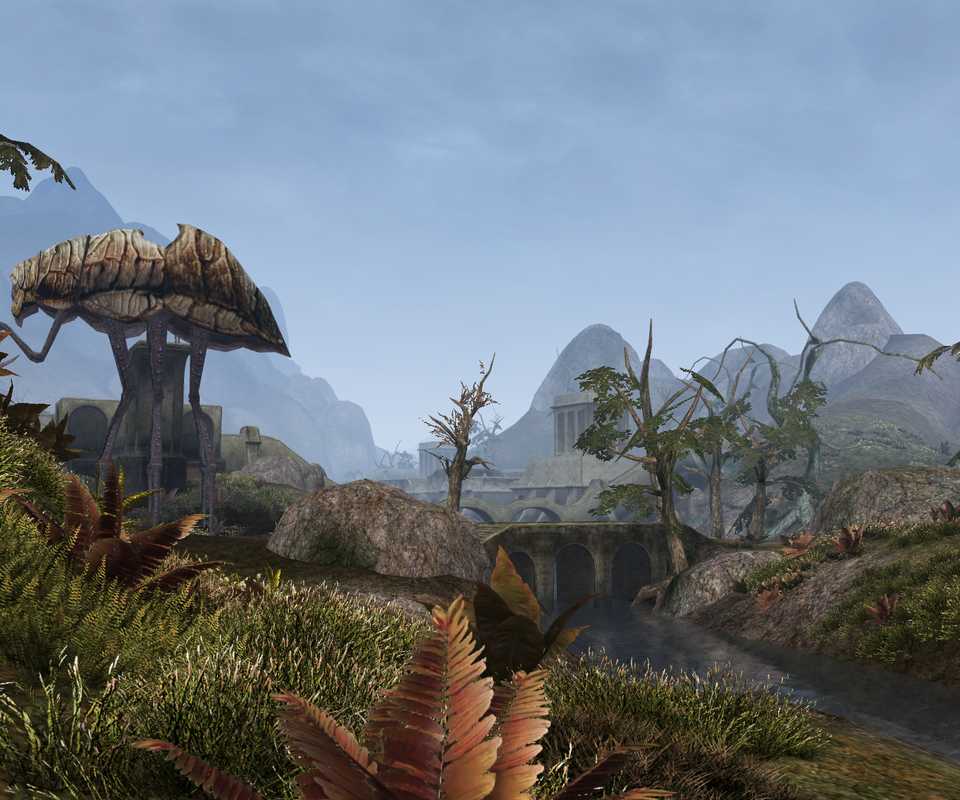
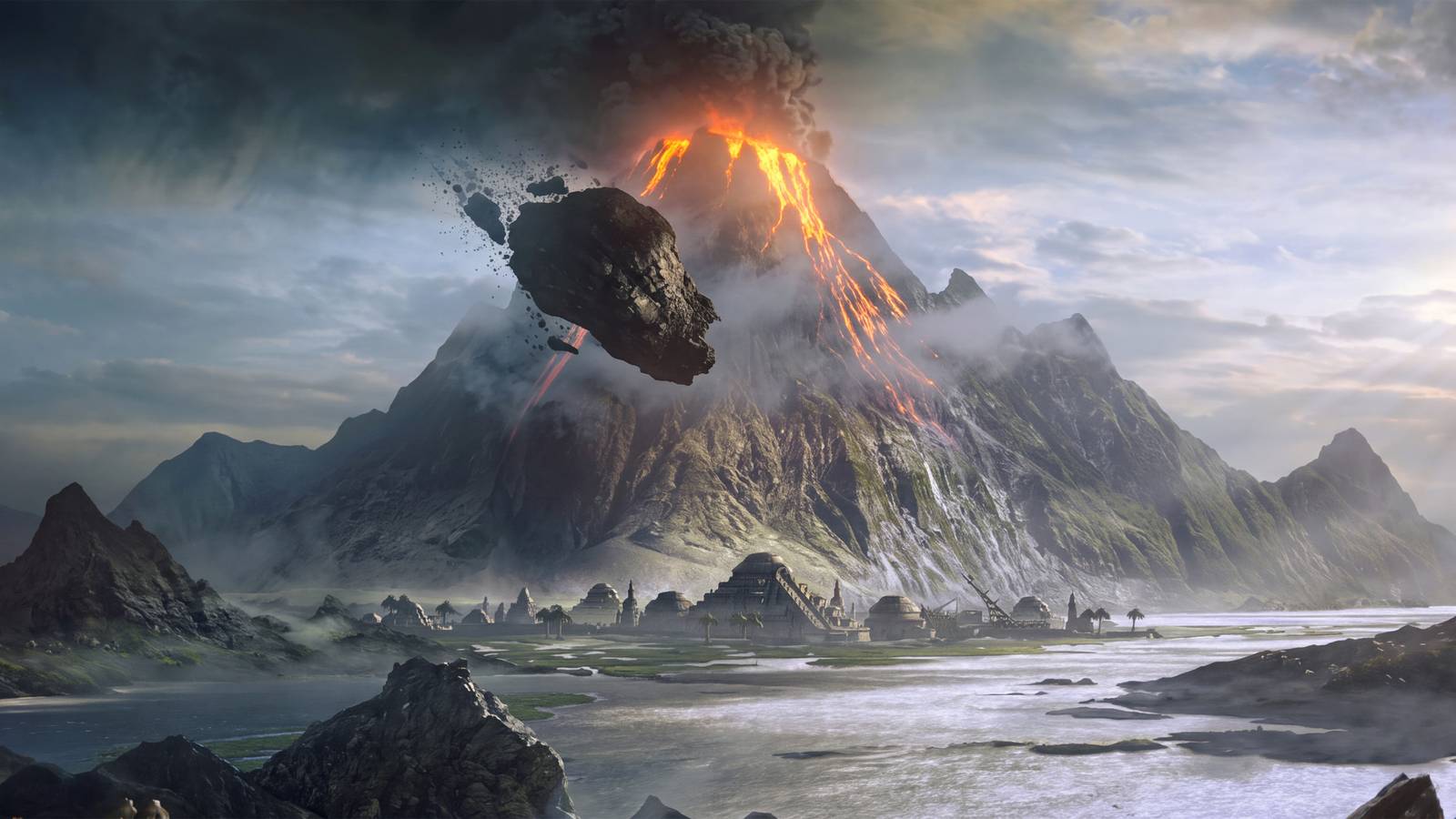
The Elder Scrolls 3: Morrowind gives you a lot more direction than something like Daggerfall, but it still has absolutely no problem letting you wander off and forget what you were supposed to be doing. There are no modern quest markers pointing you toward every objective, fast travel works very differently from what later Elder Scrolls games would use, and a lot of the time, getting somewhere means actually reading directions and figuring it out yourself. That can make exploring Vvardenfell feel incredibly rewarding, because you’re actually learning the world instead of just following an arrow. It can also mean spending way too long looking for one specific cave because somebody told you it was “east of the old bridge” and apparently thought that was enough information.
And once you start getting distracted, Morrowind is more than happy to let you stay distracted. There are factions to join, weird little towns to stumble into, ruins everywhere, people asking for help, and plenty of reasons to completely ignore the main quest for hours at a time. That’s part of why the game is still so beloved, but it also means Morrowind can feel almost too loose if you need a stronger push from the game itself. You can absolutely lose yourself in Vvardenfell, but sometimes you lose yourself in the much more literal sense of having no idea where you are, what you’re doing, or why you came out there in the first place.
