




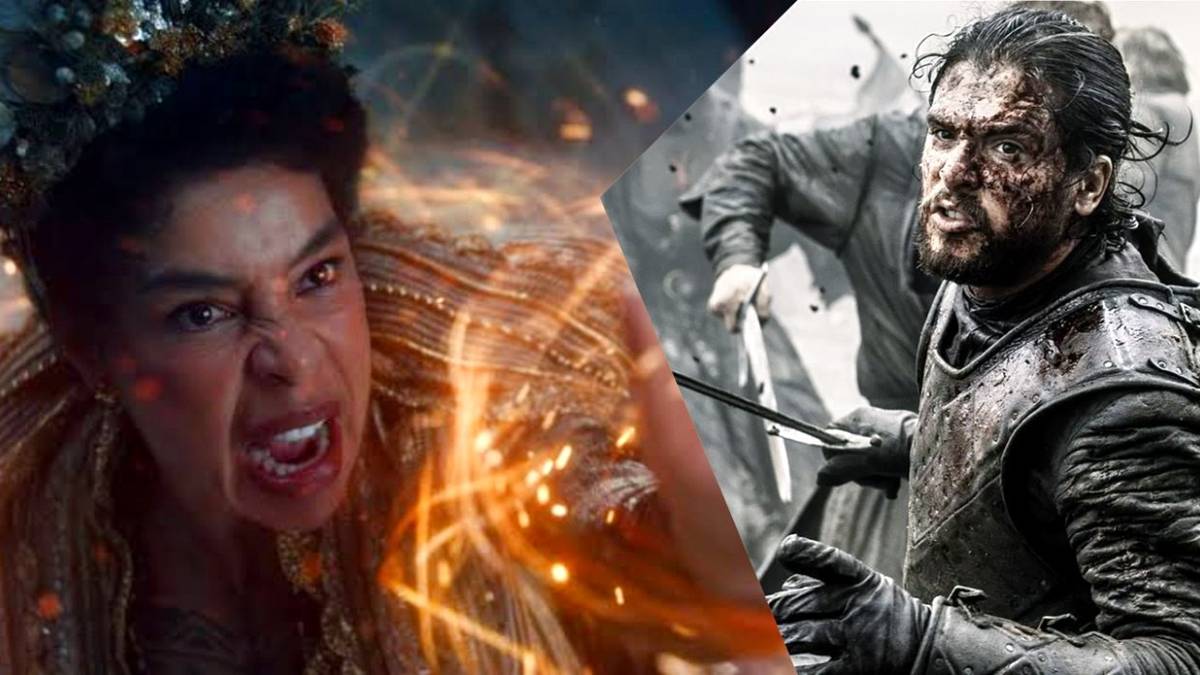


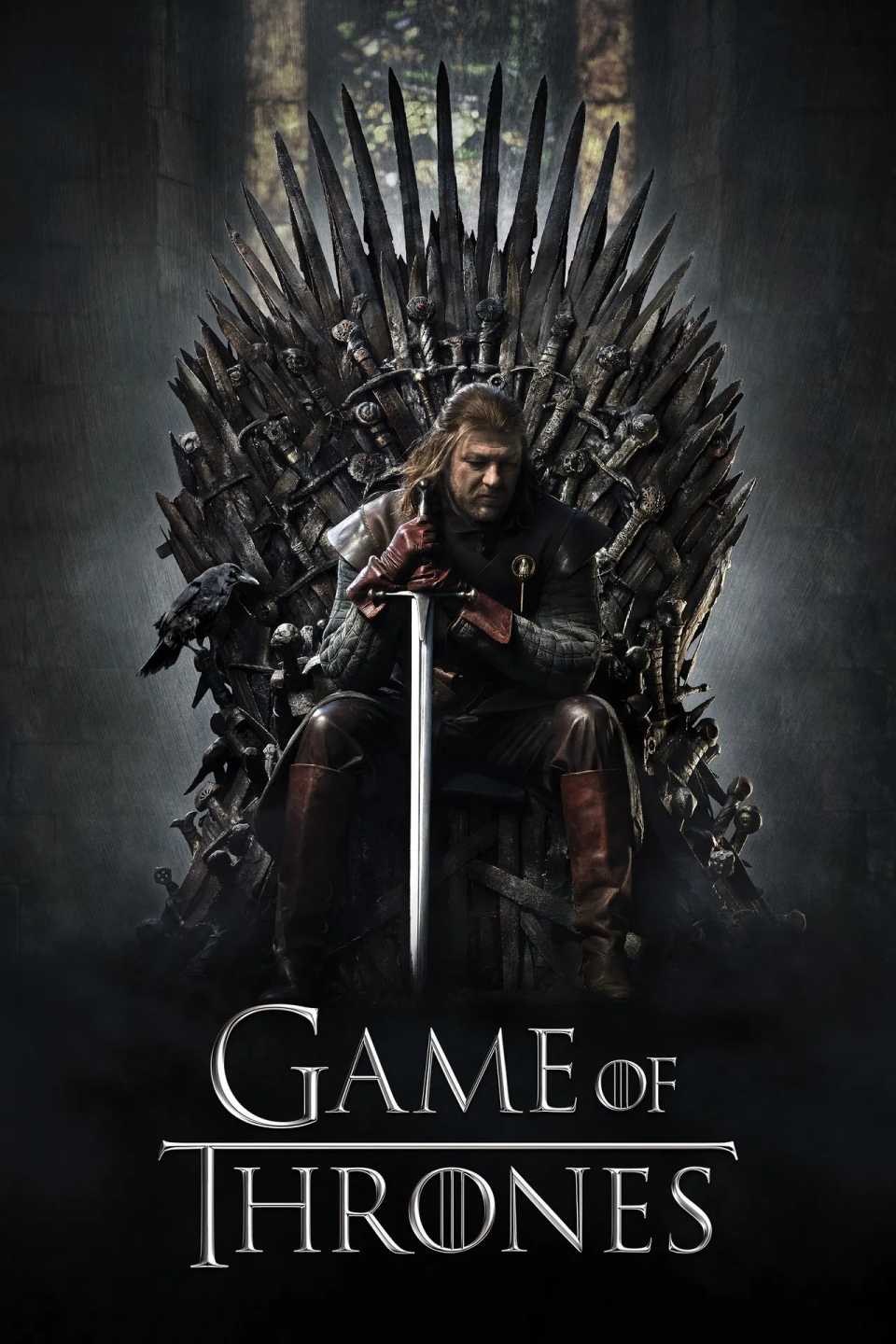
Game of Thrones completely changed the audience’s expectations for fantasy television. George R. R. Martin’s sprawling world of Westeros felt genuinely lived in, with centuries of history, complex political alliances, and rival Great Houses that made every decision and interaction feel rooted in generations of conflict. Even years after it ended, Game of Thrones is still considered the benchmark for fantasy world-building on television.
However, building a compelling and genuine world isn’t just about creating kingdoms and family trees. Instead, it’s about making every location, culture, and piece of history feel like it existed long before the story began. A handful of fantasy shows have managed to push that idea even further, creating worlds that feel larger, more immersive, or simply more detailed than Westeros itself. Whether through breathtaking complexity or endless mythology, some shows prove that Game of Thrones’ impressive world-building can still be beat.

Related
5 TV Shows With Unusually Deep Lore
Some series don’t feel the need to build a long overarching story, but some TV shows turn into enormous narrative tapestries across multiple seasons.
4
The Live-Action One Piece Constantly Reinvents Its World
Many Locations in One Piece Feel Completely Different to Others, But They’re Still Well-Thought-Out
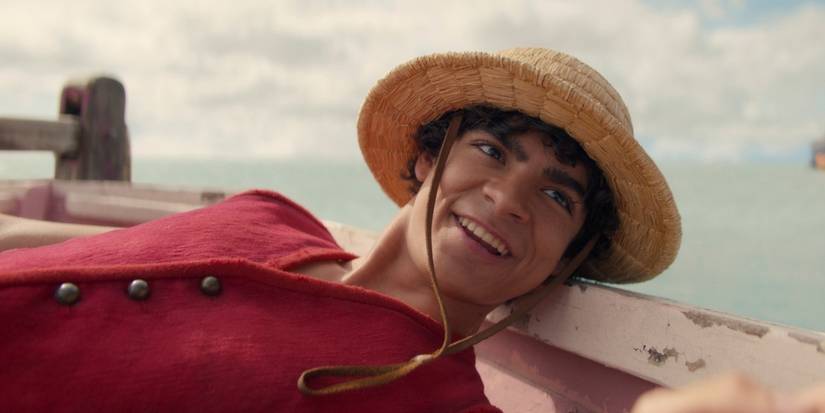
Netflix’s One Piece follows Monkey D. Luffy as he assembles the Straw Hat Pirates, a ragtag crew, and goes searching for the titular legendary treasure left by the Pirate King. What immediately elevates One Piece from most fantasy adventures is its constantly evolving setting. Rather than spending multiple seasons inside a single kingdom, almost every new destination introduces its own culture, architecture, laws, and history.
From the floating restaurant Baratie to the fish-man stronghold of Arlong Park, every location feels like a completely different civilization while still operating within the same world. That variety helped One Piece earn praise from long-term fans and newcomers alike, with many applauding how it captured Eiichiro Oda’s imaginative universe. Game of Thrones built an immensely believable world, but many of its regions share similar medieval foundations.
The North, the Reach, and the Westerlands all feel connected by the same political system, even if their customs differ. One Piece, on the other hand, constantly reinvents its world without ever making it feel disconnected or disjointed. Each island operates according to its own rules while still contributing to the larger mythology surrounding the World Government, the Grand Line, and the Void Century. The result is a fantasy world that feels endlessly unpredictable, rewarding viewers with something new every time the Straw Hats set sail.
3
The Dark Crystal: Age of Resistance is Deeply Imaginative
Thra Feels Far Richer & More Diverse Than Westeros
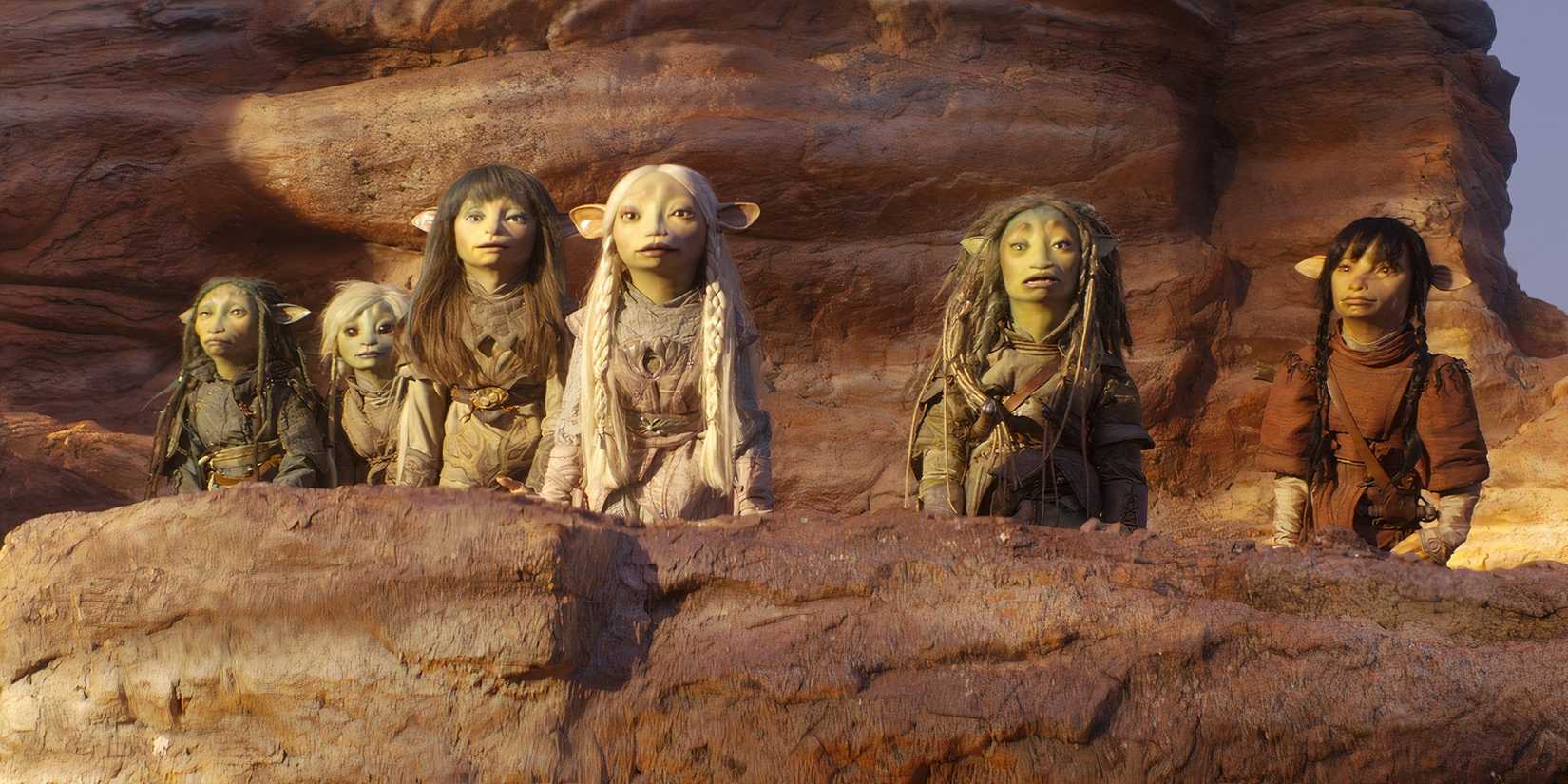
Set centuries before Jim Henson’s original film, The Dark Crystal: Age of Resistance explores the world of Thra as the peaceful Gelfling clans begin uncovering the Skesis’ horrifying secret. The series introduces seven distinct Gelfling clans, each with its own traditions, clothing, architecture, and relationship with the wider world. Beyond the Gelflings themselves, Thra is populated by countless unique creatures and ancient religions that make the planet feel less like a fantasy world and more like a living ecosystem. Critics widely praised Age of Resistance’s extraordinary craftsmanship, with many describing its practical effects and world-building as the finest ever seen on TV.
Where Game of Thrones excels through political realism, Age of Resistance succeeds through sheer depth of imagination. Westeros often feels like a believable version of medieval Europe, but Thra feels completely alien without ever becoming too confusing. Every creature has a place within the world’s ecology, every culture boasts its own traditions, and even seemingly minor locations contribute to the larger mythology around the Crystal itself. There aren’t many fantasy shows that can firmly say they created a world that feels this complete from top to bottom. Even with only a single season, Age of Resistance made Thra so believable, immersive, and rich that it easily outdoes HBO’s take on Westeros.
Related
The Dark Crystal: Age of Resistance Was a Gift to Audiences
It is a true work of passion and love for the practical effects of old, and a unique, family friendly fantasy drama that deserves appreciation.
2
The Wheel of Time Boasts Extremely Deep Lore
The Sprawling Nature of Robert Jordan’s World Rivals Westeros in Size & History
Based on Robert Jordan’s beloved novels, The Wheel of Time is set in a world governed by a cyclical pattern of time, where Rosamund Pike’s Moiraine Damodred searches for the Dragon Reborn, a figure prophesied to either save humanity or destroy it. Joined by small-town youths carrying immense latent powers, they navigate fractured empires, corrupt magic, and forgotten prophecy to unite a divided world before the Dark One breaks free to shatter reality. Along the way, viewers are treated to numerous kingdoms, cultures, and magical kingdoms, each shaped by thousands of years of history.
From the White Tower and its rival Ajahs to the Aiel, Seanchan, and countless other societies, The Wheel of Time continually expands its world without losing sight of its central story. Fans have frequently praised the show’s ambition, particularly its willingness to embrace the scale of Jordan’s expansive universe. Unlike Game of Thrones, which primarily builds its world through political rivalries between noble families, The Wheel of Time creates an entire civilization that spans multiple ages.
In the Prime Video fantasy show, fully-fleshed-out magic systems influence governments, prophecy shapes religion, and ancient events continue to affect everyday life even thousands of years after. Even the ruined cities tell stories about previous eras, while different nations possess completely unique customs, languages, and beliefs. Westeros, of course, feels incredibly authentic, but the world in The Wheel of Time feels arguably older, larger, and more layered, which especially rewards viewers who pay close attention to its history.
1
Every Element of Arcane’s World is Relevant
Where Westeros Goes Wide, Piltover and Zaun Go Deep
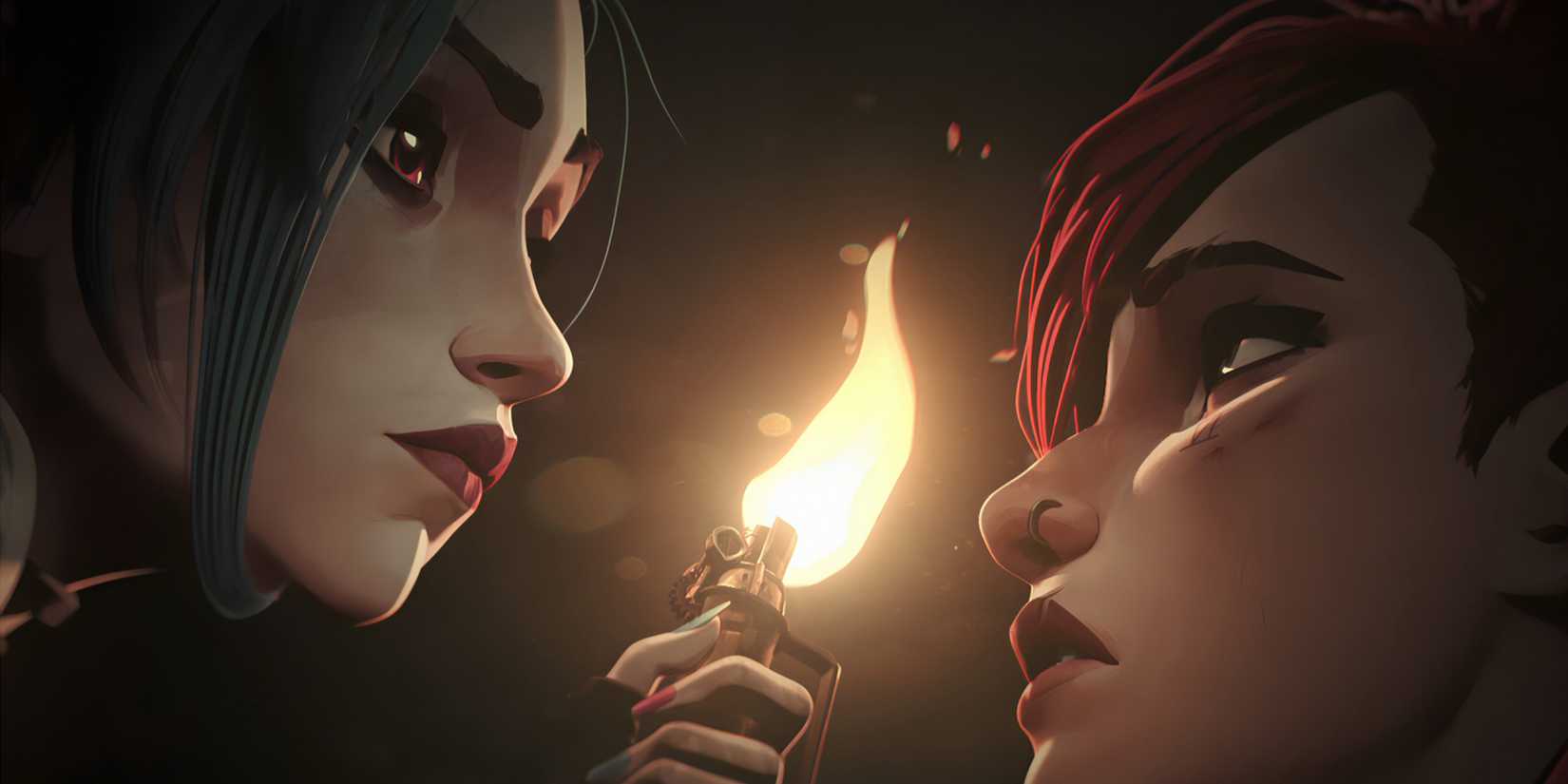
Arcane follows the story of sisters Vi and Powder against the backdrop of the growing tensions between the wealthy, utopian Piltover and the oppressed undercity, Zaun. As Piltover harnesses raw magic through Hextech technology, Zaun unleashes a volatile mutagen called Shimmer. Driven by political corruption, class warfare, and trauma, Powder transforms into the volatile Jinx, forcing Vi to choose between saving her sister or preventing all-out war. While this central conflict is deeply personal, almost every scene develops the world around its characters.
Technology, class divisions, organized crime, political institutions, and scientific discovery all influence Arcane’s story in meaningful ways, ensuring the setting feels every bit as important as the people inhabiting it. Critics and fans both praised Arcane for its stunning animation and for creating one of the richest fictional worlds, despite only running for two seasons. What ultimately gives Arcane the edge over Game of Thrones isn’t its scale or interconnectedness, it’s that nothing exists in Arcane without serving the story. Westeros is intentionally vast, filled with distant kingdoms, ancient histories, almost-forgotten dynasties, and mysteries that make the world feel convincingly lived in, even if many of those elements remain on the periphery of the central narrative.
Arcane, by contrast, wastes almost no detail. Piltover’s prosperity rests on Zaun’s exploitation, Hextech transforms politics, economics, and warfare simultaneously, and nearly every location, invention, or institution introduced early in Arcane directly influences a later decision or conflict. Rather than building breadth like Game of Thrones’ world, Arcane’s universe is extraordinarily dense, making every single piece of its world feel essential, instead of just expansive.
Release Date
2011 – 2019-00-00
Showrunner
David Benioff, D.B. Weiss
Directors
David Nutter, Alan Taylor, D.B. Weiss, David Benioff
Writers
D.B. Weiss, George R.R. Martin, David Benioff


Isaac Hempstead Wright
Brandon Bran Stark
