






Modern open-world RPGs are easily among the most popular releases today, often amassing hundreds of thousands of players from day one and selling over a million copies within their first few weeks. With the industry more widely covered than ever, great open-world RPGs going largely unnoticed are rare nowadays, but even strong games can still struggle to find their audience. Naturally, it’s especially risky for completely new franchises from new developers, which may need more time to gain recognition.
This selection is all about great open-world RPGs, many of which were praised immediately but reached limited audiences or suffered disappointing sales at launch. There can be many reasons for that, which we’ll explore case by case. Some of the titles below only became more visible and widely recommended years later thanks to word of mouth, ports to new platforms, discounts, sequels, or players simply looking back and realizing what they had missed. Let’s take a look at open-world RPGs that only found real traction or cult status years after their launch.

Click on the game with the higher OpenCritic rating.
Easy
Medium
Hard
Play
Restart
Back
Results
0 Points
High Score: 0
Pillars Of Eternity 2: Deadfire
An Established RPG Sequel Nobody Showed Up For
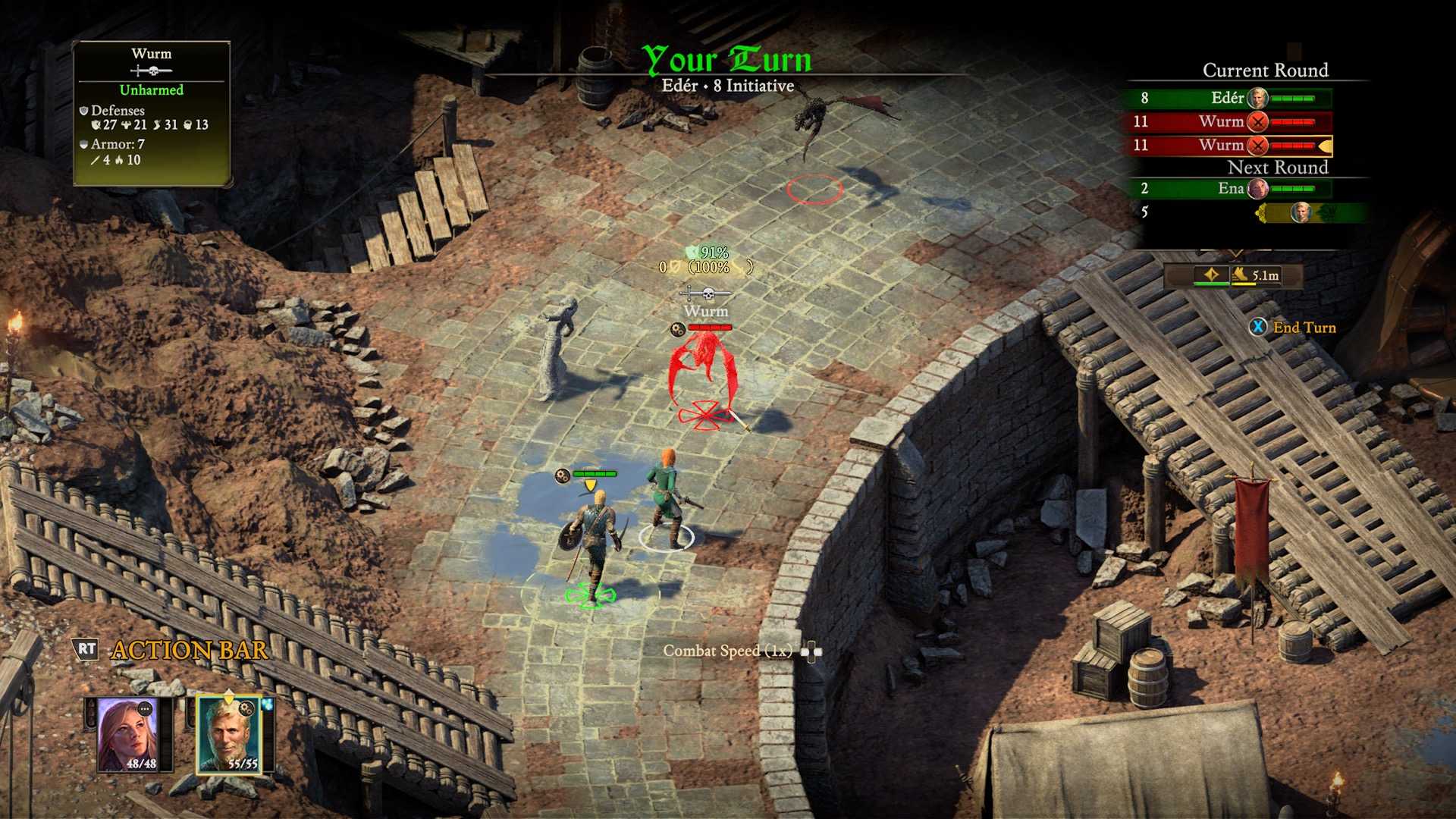
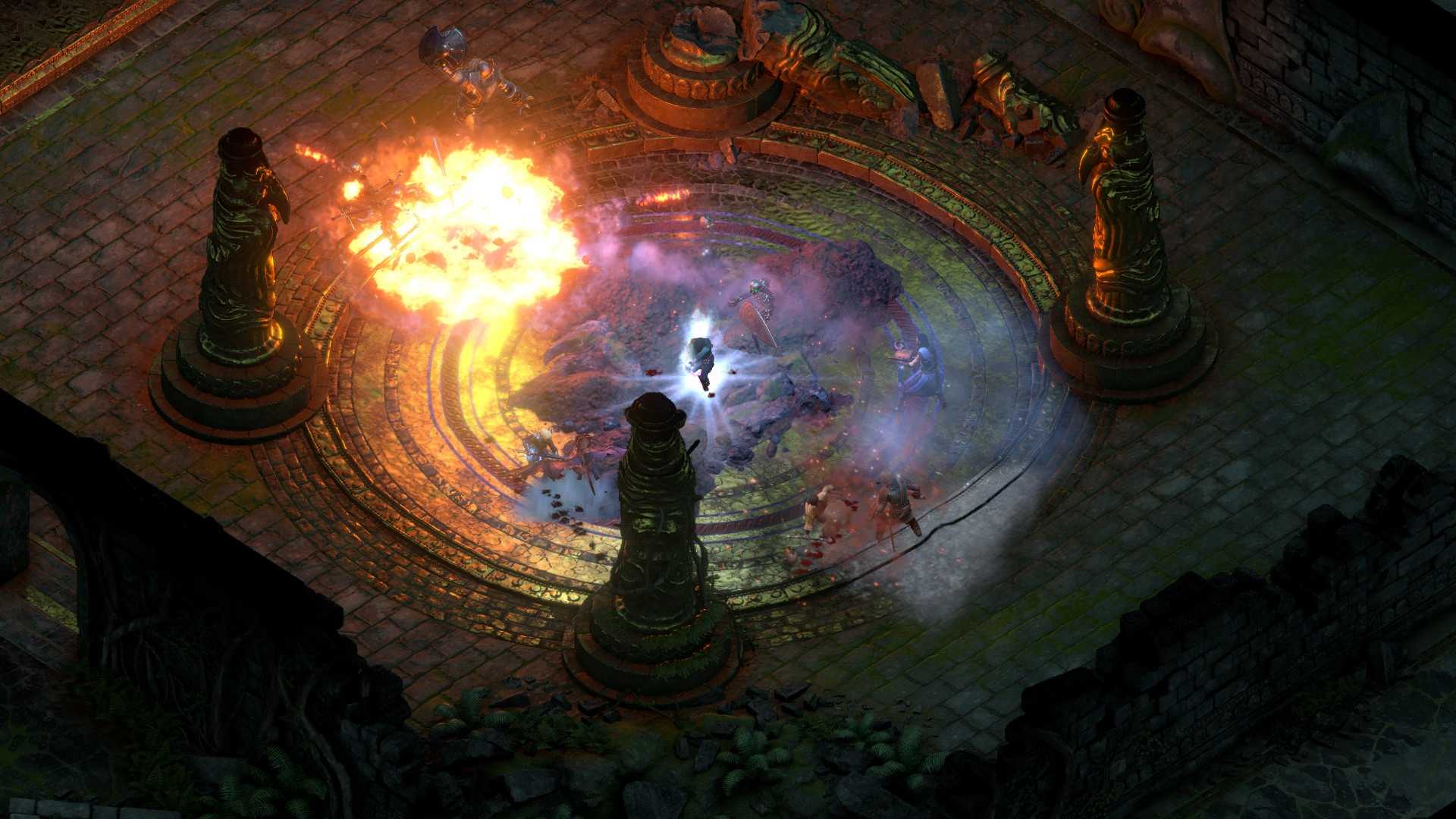
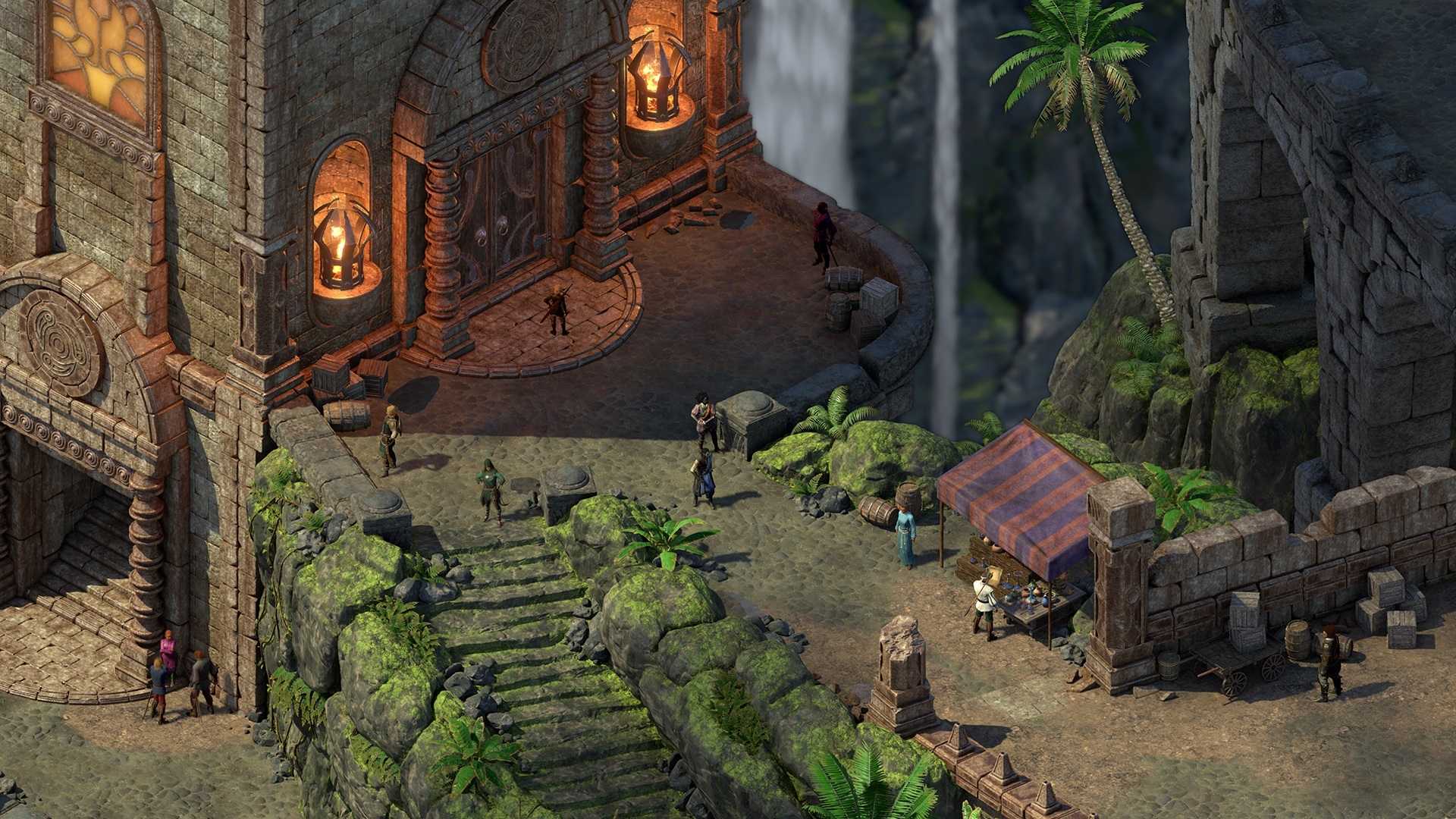
One of the cleanest modern examples, even Pillars of Eternity 2: Deadfire’s developers don’t understand why nobody played the sequel. Despite excellent reviews and being a direct follow-up to an already established CRPG from a prominent developer, Deadfire sold notably worse than the original and fell far short of expectations, with early numbers reportedly almost six times lower. Its poor performance left Obsidian unsure whether the series could continue at all. The studio eventually returned to the world of Eora with the first-person RPG Avowed.
Related
The 10 Best RPGs Released Since 2020, Officially Ranked
The decade’s top RPGs are all can’t-miss video games. No matter which you play, you’re in for an unforgettable experience that few games can match.
While it’s hard to say that Pillars of Eternity 2: Deadfire became extremely popular or iconic after the dust settled, it remains one of the finest modern open-world CRPGs and is almost incapable of disappointing fans of the genre. From a vast archipelago to explore to strong writing, deep character building, and complex party relationships, Deadfire delivers everything you might crave from an old-school CRPG made by a team of Obsidian’s caliber.
Xenoblade Chronicles X
Trapped On The Wrong Platform For Almost A Decade
Like Deadfire, Xenoblade Chronicles X wasn’t the start of a new series, but instead launched as a standalone spinoff to the already acclaimed and popular original game. While Xenoblade Chronicles X wasn’t a downright commercial flop, it was trapped for almost a decade as a Wii U exclusive – one of the least successful consoles in history. As a result, the game simply couldn’t reach the full audience that may have been interested in trying this unique open-world RPG, reportedly selling fewer than a million copies during its first year.
Only a decade later, Xenoblade Chronicles X: Definitive Edition got its chance at a true second coming with its Nintendo Switch launch. As one of Nintendo’s most ambitious open-world RPGs, the game rightfully enjoyed a new wave of acclaim and recognition, with critics and players alike enjoying its rich world and combat, unique science-fantasy setting, and an array of side quests and activities that can take well over 100 hours to complete.
Outward
An Unexpected Sleeper Hit Punching Well Above Its Weight
Outward is another game that wasn’t an outright failure at launch, especially given its borderline-AA scope, experimental and uncompromising nature, and modest sales expectations. Despite the lack of marketing and a tiny team whose earlier releases included GoD Factory: Wingmen (a game that truly nobody played), Outward’s promise of a challenging world with great freedom attracted fans of the genre, resulting in a pretty solid opening. Still, it was only the start for an unexpected sleeper hit that remained relevant for years.
Related
7 Open-World Games That Are Always Playing Tricks On You
These open-world games play on your expectations, sending you off on a grand quest and then playing tricks on you throughout your journey.
By 2025, Outward had grown from a relatively niche title to an acclaimed RPG reaching over three million players. Its audience continued growing through word of mouth, co-op recommendations, new platform releases, and the Definitive Edition. In this case, even if the game wasn’t completely invisible at launch, it’s a rare example of genuine long-term success for an open-world RPG that eventually secured an upcoming sequel.
Gothic
Much Broader Exposure 25 Years Later
Now an iconic European open-world RPG series with immense influence, it’s unsurprising that Gothic started very small back in 2001. A debut title from the small German studio Piranha Bytes, with initially limited international distribution, Gothic could hardly compete with titans like Baldur’s Gate 2 or Final Fantasy 10. However, the title still managed to make a splash with its unique world and reactive NPCs, beginning a long-lasting trend of new players gradually joining across other markets.
Eventually, Gothic developed true international cult recognition and established a fiercely dedicated following, especially fueled by Gothic 2 and its acclaimed expansion. Many RPG developers have since cited Gothic as a major source of inspiration, including CD Projekt Red for the first Witcher game. Despite Piranha Bytes’ closure, the Gothic series is arguably stronger today than it has ever been, buoyed by the acclaimed Gothic 1 Remake alongside re-releases of the classic games for modern platforms. As they say, big things have small beginnings.
Arcanum: Of Steamworks And Magick Obscura
A Brilliant Classic That Wasn’t Popular Enough For A Sequel
Few development studios have been both as iconic and unsuccessful as Troika Games, which delivered two acclaimed RPG masterpieces over its brief lifespan: Arcanum: Of Steamworks and Magick Obscura and Vampire: The Masquerade – Bloodlines. Despite their immense influence, neither game was popular enough when it mattered to secure the studio’s future. Some of the blame definitely falls on the developers themselves, though, given how unpolished both titles were at launch.
Related
6 RPGs Where A Hero Becomes The Final Villain
A hero becoming the villain is a pretty common trope in games, but some RPGs still pull it off exceptionally well, often in ways all their own.
Arcanum’s commercial performance has always been described as substandard, as the title quickly faded from the charts, contributing to the problems that later led to the studio’s closure. Despite its immensely original steampunk setting that the team spent years fleshing out, as well as strong critical acclaim for its role-playing depth, Arcanum couldn’t even secure a sequel. Like Bloodlines, the game only developed a cult following years later, and today it is often cited among the most influential CRPGs of its era. Revisiting or recommending Arcanum today is pretty tough, yet it’s an undeniable pillar of the genre that definitely deserved better.
Kenshi
A Cult-Success Story Decades In The Making
Developed as a passion project for almost 12 years, Kenshi was bound for a cult following, just not an instant one. Spending five years in Early Access with only the most dedicated fans trying this obscure-looking title, Kenshi gathered its audience mostly through sheer word of mouth. With its unique post-apocalyptic world driven by true sandbox freedom and free-roaming role-playing, its potential was easy to see, yet it remains a hard sell for many even today.
Launching to modest numbers, Kenshi reached its first million in sales by 2020 and has grown substantially since then. Extremely uncommon for a single-player title, Kenshi remains consistently active and played almost eight years after its full launch, even reaching its all-time Steam peak player count in 2025. The truth is, there’s just nothing else quite like it, so fans who have tasted its unparalleled freedom of role-play and truly living world keep coming back for more.
