


There’s no doubt about it, Clayface is a brave experiment for the DCU franchise to make so early in its lifespan. With only its third ever theatrical release, James Gunn’s rebooted DC universe is delivering a comic book-flavored horror film, one based on a C-list Batman villain. To say it’s a gamble would be a massive understatement, especially after the unfortunate financial failure of Supergirl this past summer.
On the other hand, Clayface’s slim $30-40 million budget means that it’s not expected to work miracles, and anything north of three figures would ensure it turns a profit. Plus, it’s not like DC hasn’t found success with movies starring Batman villains before. In fact, 2019’s Joker was the last DC movie to cross $1 billion at the box office. In execution, however, Clayface is less like Joker and more like a spiritual successor to an 18-year-old movie from Marvel Studios.

Related
Is Clayface Connected to The Batman: Part II? Matt Reeves’ Upcoming Movie, Explained
A classic Batman villain gets his own movie, but some fans might be confused about where and when it’s supposed to take place.
The Incredible Hulk Was The First Superhero Monster Movie
Clayface and the 2008 MCU Movie Share A Common Ancestor
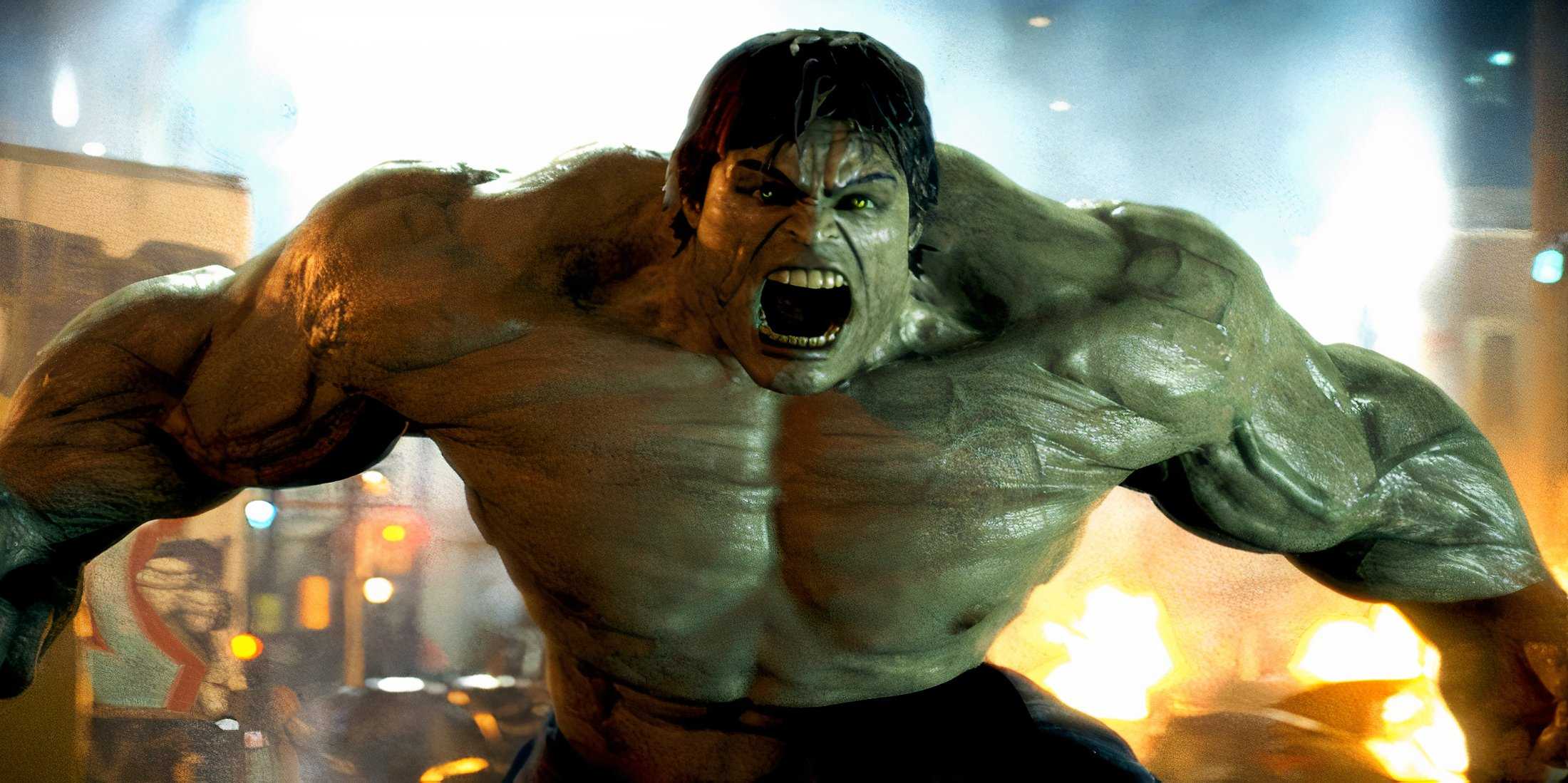
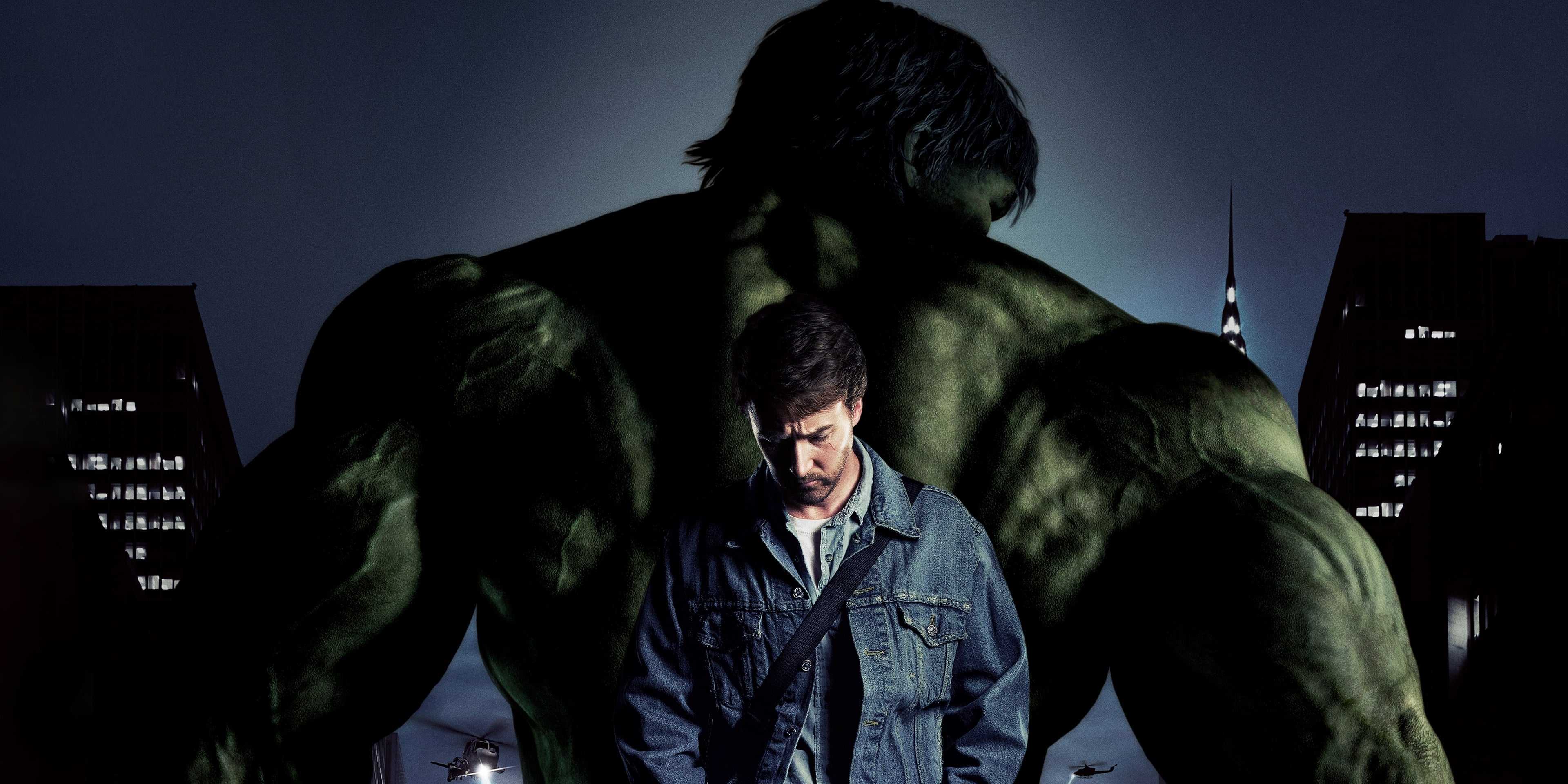

Clayface’s marketing has proudly proclaimed it to be a superhero horror movie, but to be entirely accurate, it’s really a superhero monster movie. In following a tragic character who becomes cursed with a disfiguring ailment that erodes their sanity, Clayface is very consciously drawing on the grand tradition of the Universal Monsters movies, starring such iconic characters as the Wolfman and Jekyll and Hyde. Director James Watkins has even confirmed that he included deliberate visual references to both Frankenstein’s Monster and Invisible Man in his film.
In this way, then, Clayface is the latest entry in a particularly niche subgenre of superhero movies. The progenitor of this subgenre has to be The Incredible Hulk, released by Marvel Studios way back in 2008. Years before Mark Ruffalo took over the role and the Hulk slowly transitioned into more of a light-hearted character, The Incredible Hulk depicts Edward Norton’s Bruce Banner as very much in the mold of a classic Universal monster, who is desperately trying to rid himself of the darkness inside him. In fact, the film is a literal Universal monster movie, as it was distributed by Universal.
Unfortunately, due to Marvel’s rights issues with Universal preventing them from sequelizing it, The Incredible Hulk has remained a curious one-off in MCU history — although many of its characters have since returned in recent projects like She-Hulk and Captain America: Brave New World. In its content and tone, The Incredible Hulk is definitely not a horror film, but in the shape of its story, it shares much in common with Clayface, making them interesting to contrast and compare as an example of how differently Marvel and DC can approach the same concept. Namely, using the superhero genre to pay homage to the Universal Monsters franchise, cinema’s original shared universe.

Related
8 Highest-Rated DC Movies, Ranked
We all have our personal preferences, but these are statistically the best DC superhero movies ever made.
The Incredible Hulk was preceded by 2003’s Hulk, but Ang Lee’s infamous film is much less obviously made in the monster movie mold and is instead more of a slow-burn, character-driven drama.
Of course, there has been one other superhero monster movie made over the last 18 years, although it was not produced by either Marvel or DC Studios. Broadly speaking, 2022’s Morbius can also be classified within this category, as Jared Leto’s Michael Morbius is a tragic, monstrous protagonist like Bruce Banner and Matt Hagen. That said, Sony’s infamous mess of a movie doesn’t have much in the way of artistic homage to the Universal Monsters films. In fact, you could argue it doesn’t have much in the way of artistry, period.
Luckily for DC, even if Morbius is included in this subgenre, Clayface can still claim to be the best of the bunch. The movie opened to a perfectly respectable 77% on Rotten Tomatoes, several percent higher than The Incredible Hulk’s 68%. Morbius, meanwhile, is troubling nobody with its measly 15% critics’ score. The jury’s still out on whether Clayface’s box office will be big enough to warrant a sequel or a spin-off, but it does seem like DC might have finally cracked the formula for how to pull off a superhero monster movie.

Related
New Lanterns TV Show Continues a Weird DC Trend That Supergirl Started
Lanterns and Supergirl have kickstarted an unusual trend for James Gunn’s DC Universe, in a stark contrast to last year’s Superman.
How Could DC Follow Up Clayface?

Image via Warner Bros.
If DC did want to follow up Clayface, there are a few options open to them. The best thing about the film is that it is so standalone and self-contained, with no sneaky Batman cameo or Peacemaker crossover, so a direct sequel really doesn’t seem all that likely. By the end of the movie, Tom Rhys Harries’ shapeshifting assassin has fully transitioned into his villain era, so there’s not necessarily anywhere compelling for a second movie to go.
What DC could do, then, is to offer up a conceptual sequel instead and produce another mid-budget movie about a different mid-tier character in the franchise’s catalog. There are certainly many more Batman villains that would suit being taken in a horror direction, e.g. Two-Face, Mr. Freeze, or even someone more obscure like Professor Pyg. On the other hand, it could be interesting to do a series of DC movies that dabble in a new genre each time. For instance, instead of a superhero monster movie like Clayface, why not a superhero neo-noir starring the Question?
James Gunn clearly understands that experimentation and creative thinking within the superhero genre is what keeps it alive and evolving — this is something that’s been true of his movies since Guardians of the Galaxy — and that mentality is stronger than ever with Clayface. Whether audiences at large will respond is the big question, but the film deserves props for resurrecting a superhero subgenre that has struggled to succeed and managing to make it work. Films like Clayface remind us that the comic book movie genre is one that can morph into many different shapes and forms, much like the eponymous mud-man himself.
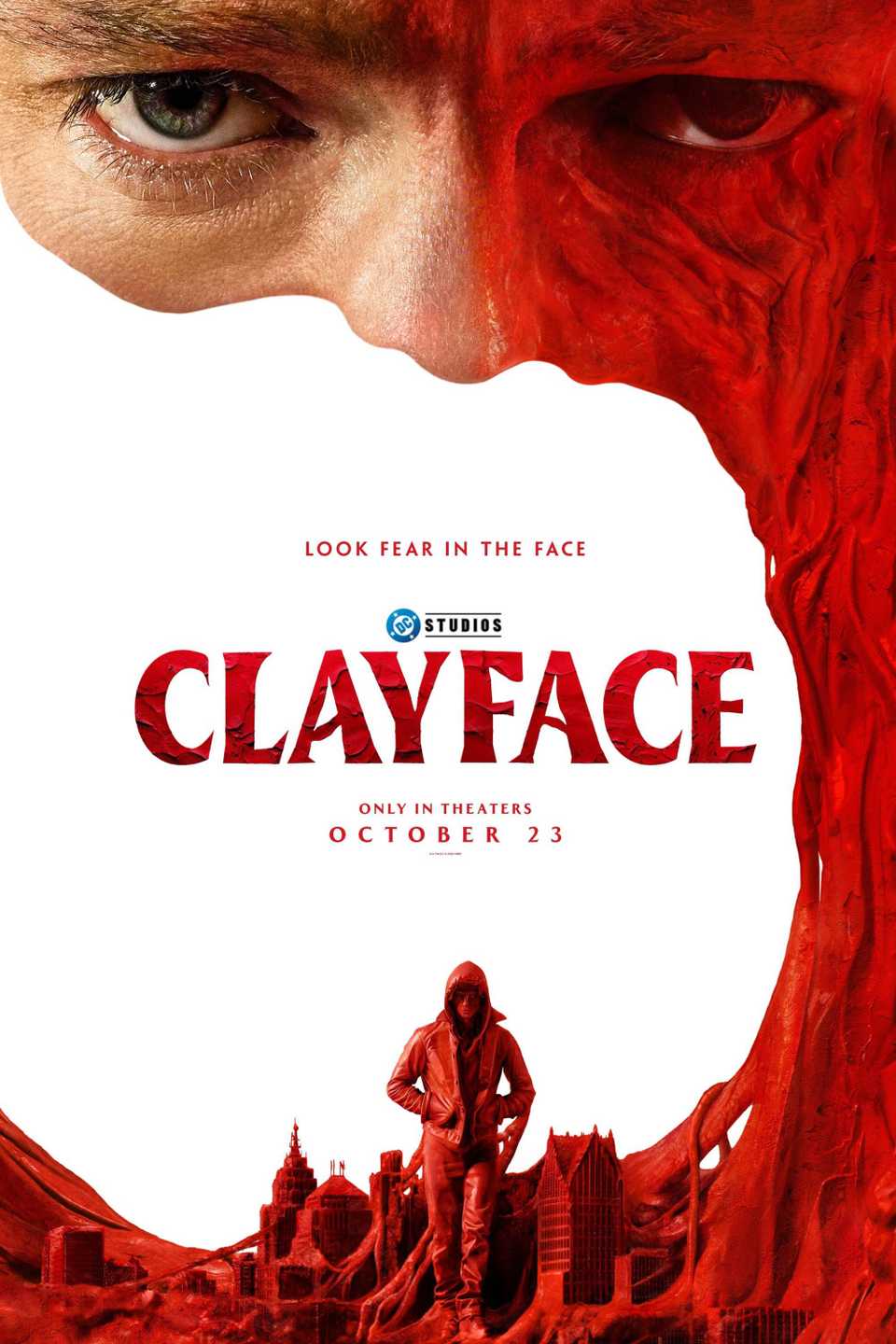
Release Date
October 23, 2026
Runtime
108 Minutes
Director
James Watkins

Tom Rhys Harries
Matt Hagen / Clayface

Naomi Ackie
Dr. Caitlin Bates