'/%3E%3C/svg%3E)

'/%3E%3Cpath%20fill='%23b2b2b2'%20d='M241%20382q0%2016%2017%2026%2017%2011%2042%2011t42-11q16-11%2017-26V269H241'/%3E%3Cpath%20fill='%239f7e00'%20d='M241%20379q0%2014%208%2023%209%209%2021%209%2014%200%2021-9%209-9%209-23V269h-59'/%3E%3Cpath%20d='M241%20339v-70h59v110q0%2014-9%2023l-6%205v-68h-15v72q-8%200-14-4v-68zm59%2040c0%2022%2015%2032%2029%2032%2021%200%2030-18%2030-32v-40h-59'/%3E%3Cpath%20fill='%239f7e00'%20d='M266%20277v5h2v12h-3v-5h2v-5h-9v5h2v5h-4v9h3v18h-5v10h34v-10h-5v-18h3v-9h-4v-5h2v-5h-9v5h2v5h-3v-12h2v-5zm42%20101q0%2010%206%2017%206%206%2015%207%2010-1%2016-7%206-7%206-17v-29h-43'/%3E%3Ccircle%20fill='%230044ad'%20cx='329.5'%20cy='372'%20r='6'/%3E%3Cellipse%20fill='%230044ad'%20cx='300'%20cy='340'%20rx='16'%20ry='21'/%3E%3C/svg%3E)



There was probably never going to be a world where I played Exodus and didn’t think about Mass Effect. Archetype Entertainment has plenty of BioWare history behind it, and the similarities between the two games aren’t exactly difficult to spot once you have a controller in your hands. Combat feels familiar almost immediately, especially once you start issuing commands to your companions, and the dialogue system regularly brought me back to choosing how I wanted Shepard to respond during a conversation. But even though Exodus plays an awful lot like Mass Effect, I was surprised by how quickly it stopped feeling like I was simply playing another version of it. There is something different about the way Exodus feels in its atmosphere, design, and the execution of some of its best ideas, and after a little over an hour with the game, that ended up being one of the things I liked most about it.
I recently attended a preview event in Austin with Archetype Entertainment and Wizards of the Coast, where I got to spend a little over an hour playing Exodus. The preview focused on Khonsu, an orbital platform above Jun Aslan’s homeworld of Lidon that is maintained by an Awakened species called the Kay, which are basically giant talking frogs. Gideon Aslan has taken control of Khonsu and enslaved the Kay, so Jun and his companions head there hoping to remove Gideon’s forces and give the Kay their home back. Things naturally become much more complicated from there, and without giving too much away, the mission eventually presented me with a choice about what should happen to the Kay once they were free. I actually had to sit there for a second and think about what I wanted to do, which is a pretty good example of why I came away from my time with Exodus considerably more excited about it than I already was.
Exodus Looks Every Bit as Good as I Hoped It Would
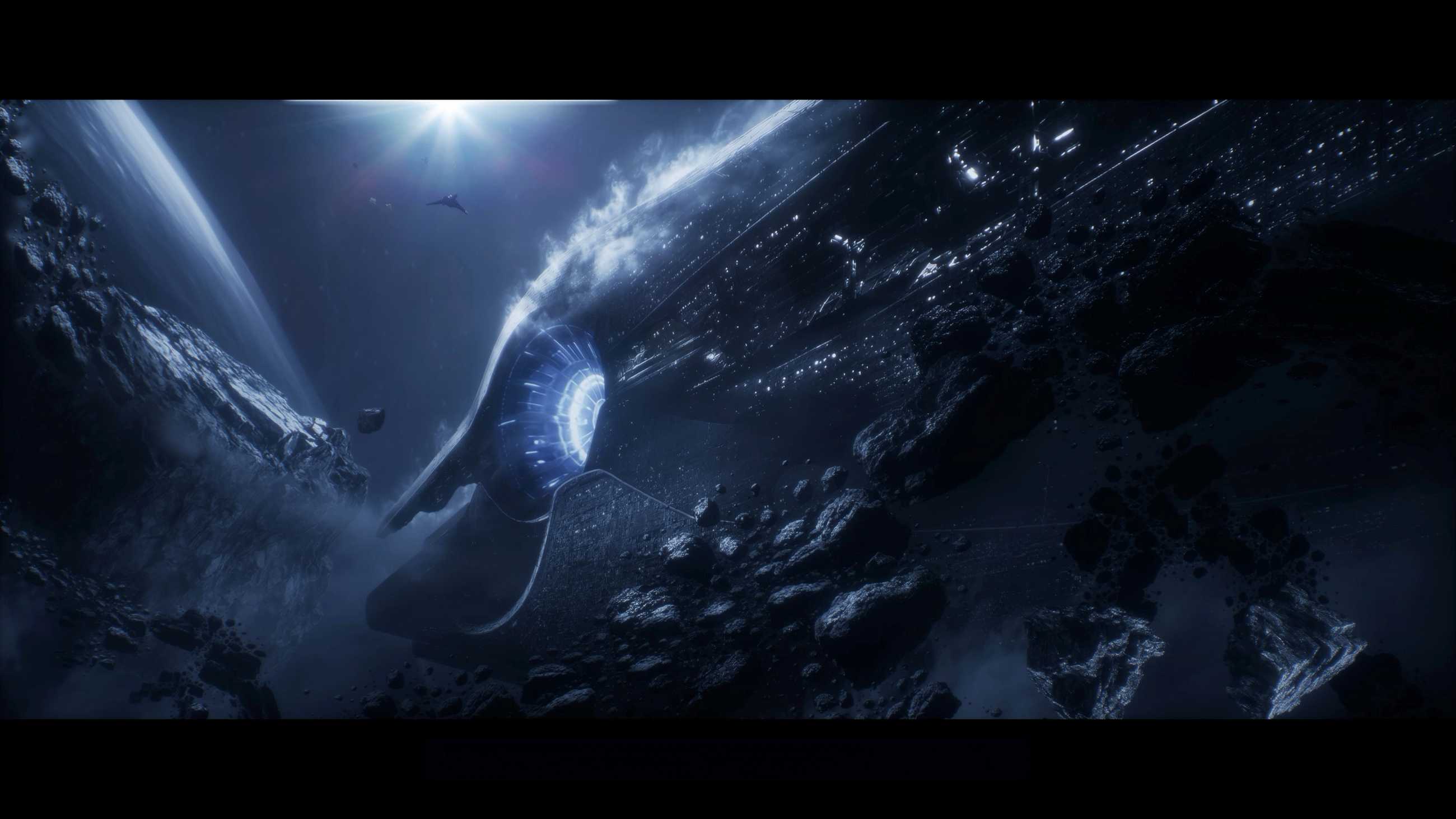
First of all, Exodus looks incredible. We have obviously seen plenty of the game by this point, but actually playing it made me appreciate the amount of environmental detail here much more than merely watching one of its trailers ever could. Khonsu feels like an actual sci-fi space station, and I regularly found myself slowing down because there was so much happening in the environment. Some games can look great while still making their worlds feel a bit too gamey once you actually start interacting with them, but I never really had that problem here. This felt like an actual place I was getting to visit for the first time. Effectively, it transported me.
The animations were just as impressive throughout what I played, especially during conversations where I could get a much closer look at the characters. Voice acting helps tremendously as well, because every actor I heard delivered well. Obviously, I only heard a very small portion of what is probably going to be a dialogue-heavy RPG, but I never had a performance pull me out of what was happening. If I’m going to spend dozens of hours listening to these characters talk, that’s something I need the game to get right, and nothing I heard during the preview made me worried about it.
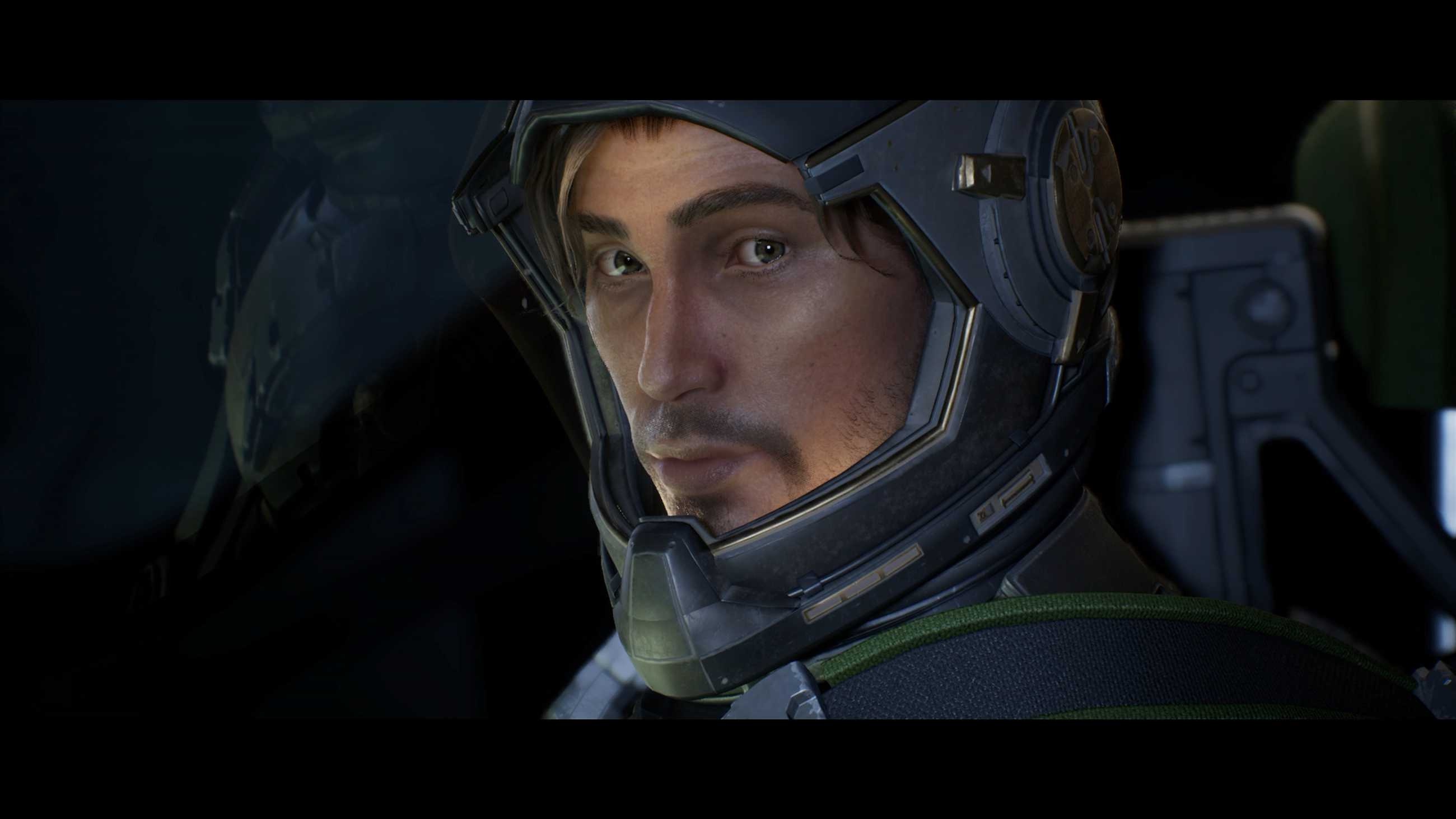
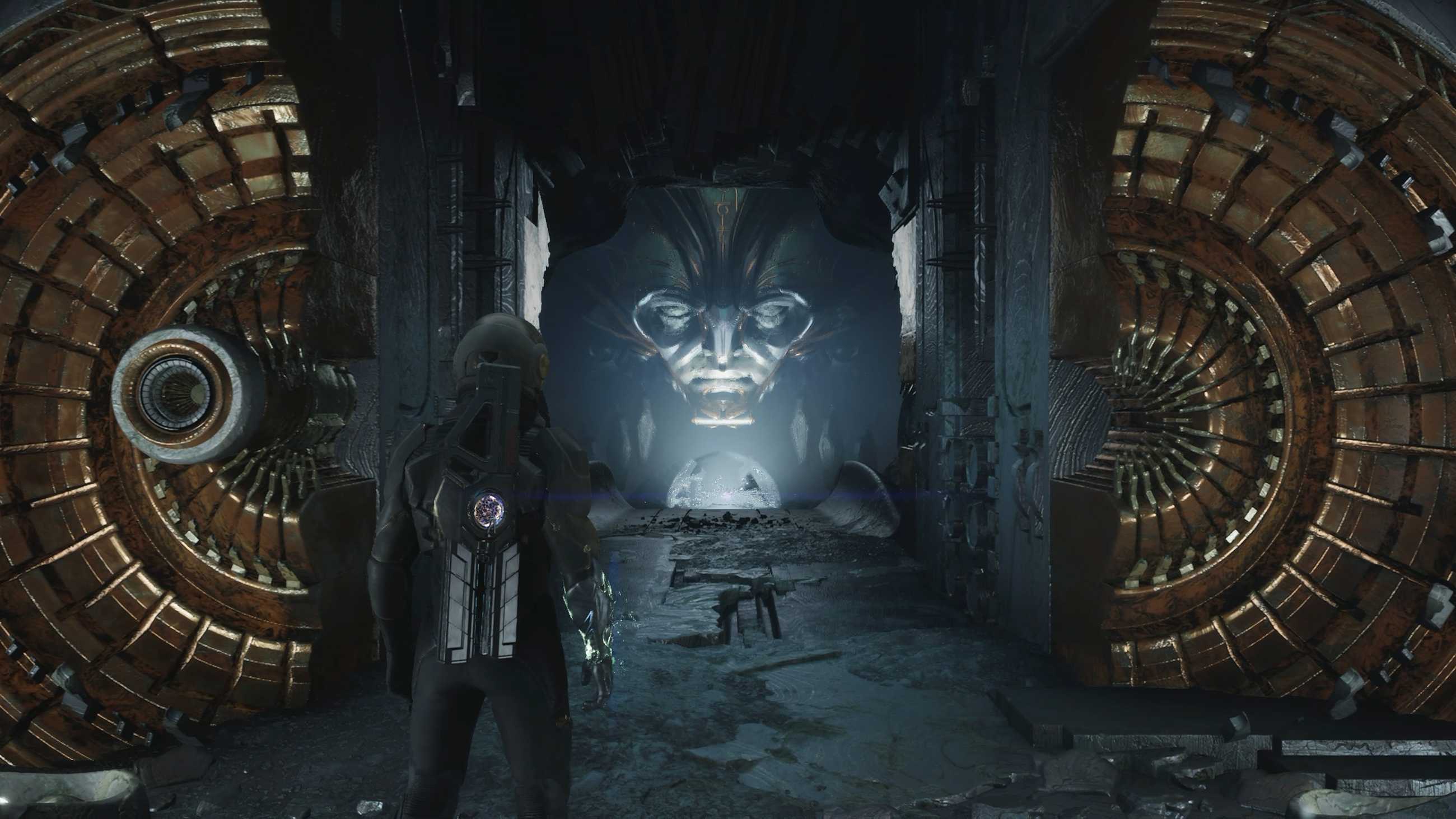
What surprised me more was the overall atmosphere. Exodus still has the kind of large-scale sci-fi presentation I expected, but something about its world felt heavier to me. Khonsu wasn’t just dark in a literal sense. There was something about being surrounded by all this ancient technology that made humanity feel small, and I never got the impression that Jun or anyone around him completely understood everything they were dealing with. The future doesn’t feel comfortable or particularly safe, even when you have some pretty ridiculous technology at your disposal.
Khonsu feels like an actual sci-fi space station, and I regularly found myself slowing down because there was so much happening in the environment.
That’s where Exodus separates itself from Mass Effect the most. The gameplay similarities are obvious, but the tone felt different almost immediately. There’s something more grounded about the world even though almost everything happening in it is pure science fiction. I don’t necessarily mean realistic, because, mind you, I was literally having conversations with giant frogs, but Khonsu felt like nothing I would have encountered in Mass Effect. Starfield, maybe—but not Mass Effect.
Exodus’ Choices Actually Made Me Think
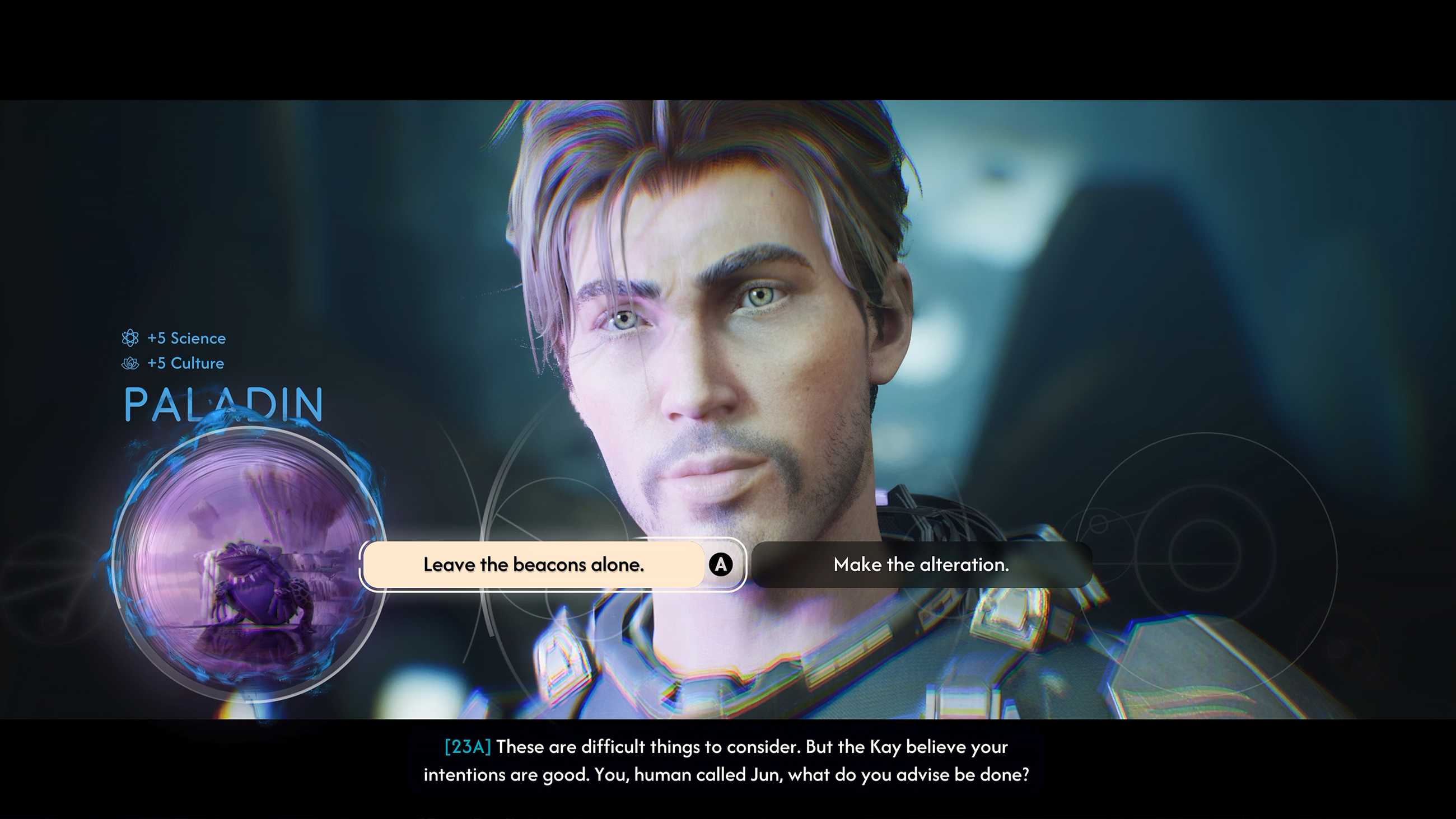
The situation on Khonsu gets more interesting the more I learned about the Kay, especially because the mission isn’t simply about killing Gideon’s forces and moving on. The Kay are the ones who know how to keep Khonsu functioning, and their future becomes part of the problem Jun has to solve. By the end of the preview, the question wasn’t just whether I could free them. Instead, I had to decide what freedom was actually going to look like once someone else stepped in and offered to protect them.
That ended up producing the hardest choice I made during the entire preview. One option would give the Kay protection from another takeover, but that protection would come with a loss of independence. The other would leave them completely free to determine their own future, even if that meant accepting the possibility that someone could try to seize Khonsu again. I sat there for a few seconds because I could understand why either side would think it was making the responsible choice. I eventually chose to leave the Kay in control of their own future, but I liked that I had to decide whether safety was worth giving someone else authority over them.
Khonsu felt like nothing I would have encountered in Mass Effect.
There were smaller choices that showed the same willingness to let a decision have some friction. Earlier in the mission, I found a badly wounded soldier who had been fighting for Gideon. He explained that he thought he had signed up to protect Lidon and hadn’t expected to end up helping occupy the Kay instead. One of my companions didn’t think we should waste medical supplies on him. Of course, being the benevolent, forgiving soul that I am, I helped him anyway, because whatever he had done, I wasn’t going to leave him there to die when I had the means to stop it. That one was easier for me, but it still gave my companion a reasonable argument instead of turning the choice into a cartoonish good-or-evil decision.
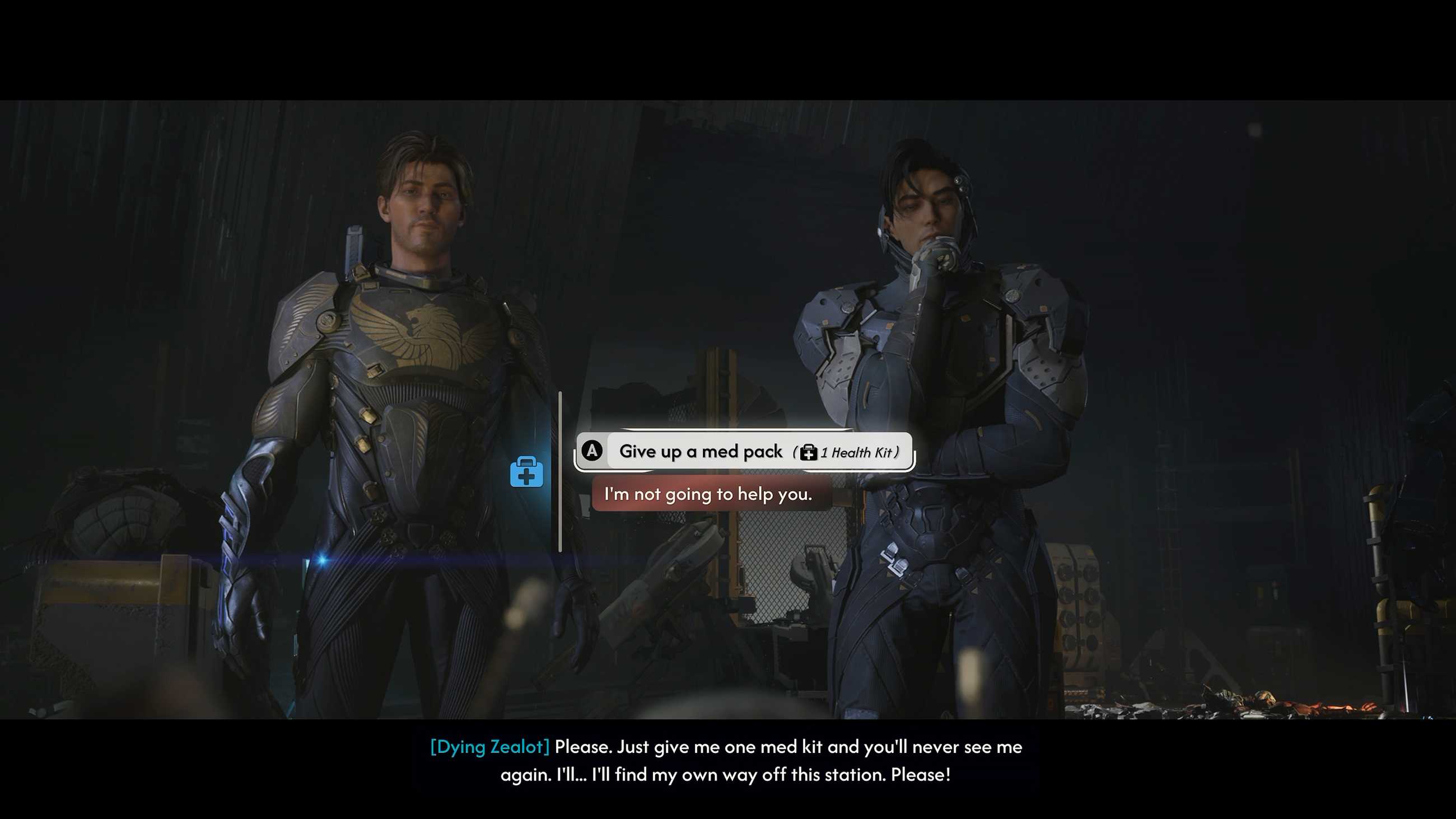
Exodus labels some of these responses as Paladin or Immortal, so the Mass Effect comparison is obviously going to come up there. Personally, I don’t mind the game telling me which direction a choice is pushing Jun because it lets me be more intentional about the person I’m trying to play. What mattered more during the preview was that the options themselves weren’t all different variations of the same response. If Jun could answer someone in three ways, I generally felt like I was choosing between three actual responses rather than deciding which tone of voice he would use to say the same thing.
I also liked that plenty of conversations weren’t attached to Paladin or Immortal at all. Sometimes I was simply talking to someone and deciding how Jun would respond in that moment. Those choices didn’t need to alter a companion relationship or come back twenty hours later to justify being there. They gave me more control over Jun’s personality, and that’s useful on its own. One of the easiest ways for an RPG to make dialogue feel artificial is to make every response affect the gameplay in some way, so I was glad Exodus was willing to let some conversations just be conversations.
Exploring Khonsu Was Worth the Detours
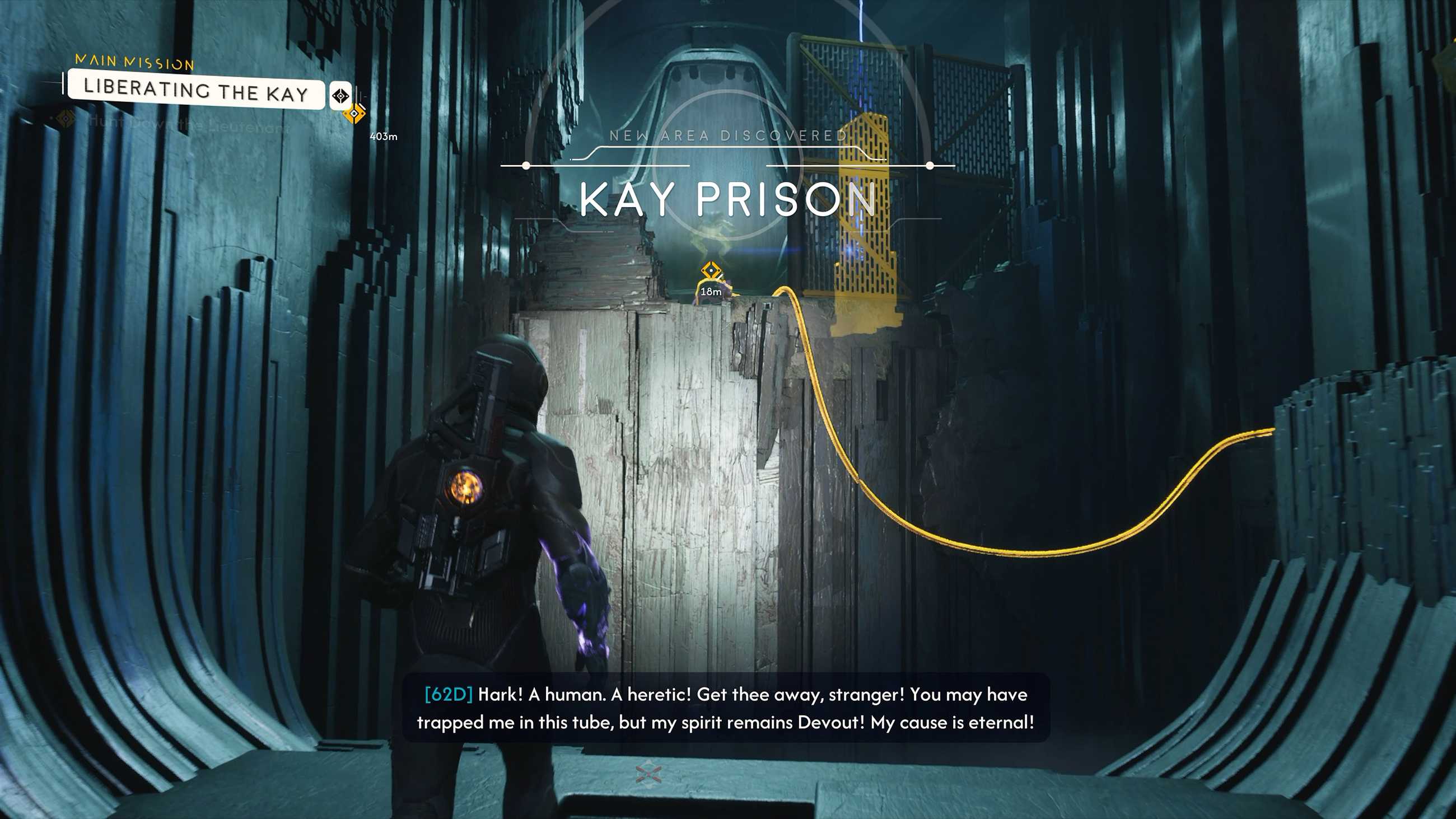
Exploration was probably the biggest surprise of my time with Exodus, mostly because the game was willing to hide things without making sure I found them. There were several passages around Khonsu that looked like nothing more than part of the environment until I decided to see whether Jun could actually fit through them or break down the walls that hid them. More than once, he could, and there was something waiting on the other side. Once the game taught me that lesson, I started checking practically every opening that looked even remotely suspicious.
The best rewards weren’t necessarily items either. I could have finished the preview without finding some of the additional Kay hidden around Khonsu, and the game didn’t plaster their locations across my screen to prevent that from happening. I found them because I went somewhere I didn’t need to go. Some of those encounters gave me a better look at the Kay and what had been happening on Khonsu, so finding them felt more worthwhile than opening another chest and moving on.
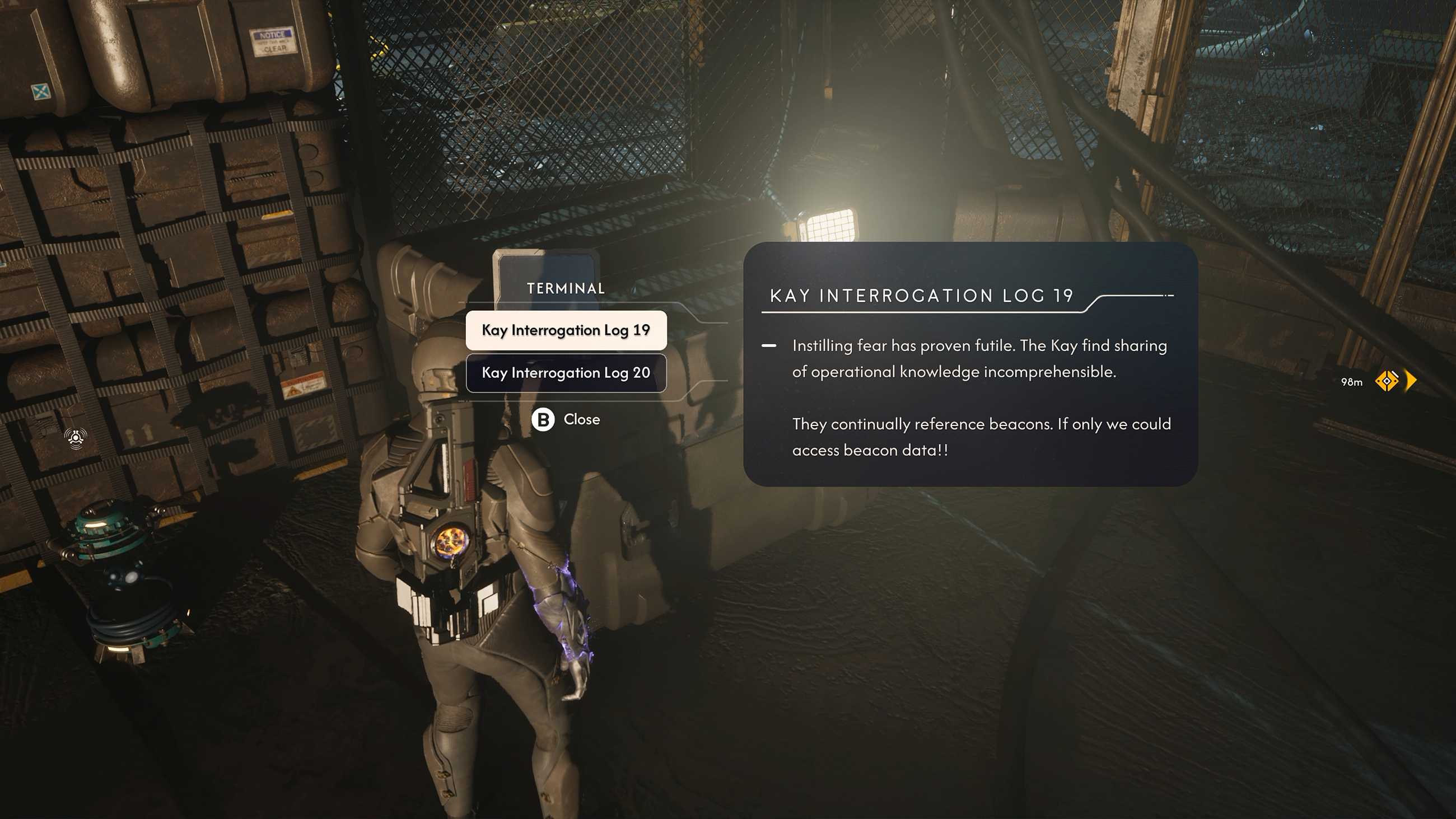
There was still plenty of loot to find, of course. I came across crafting materials while poking around, and there were lore entries that gave me more context for what I was seeing. What made all of that more enjoyable was that I wasn’t following a trail of icons to get it. I had to notice that something looked accessible or wonder whether an area continued beyond where the objective wanted me to go. There are plenty of secrets on Khonsu, and I mean plenty, and the preview made me feel like being nosy was usually worth the extra time.
Exploration was probably the biggest surprise of my time with Exodus, mostly because the game was willing to hide things without making sure I found them.
Jun’s Precognition ability could help, but it never solved exploration for me. It works like a limited detective mode and can draw attention to certain things in the environment. I could use it to spot a mechanism or get an idea that a valuable container was nearby, but it wasn’t outlining every hidden path and telling me exactly where to go. I still had to look around for myself, which is exactly how I want an ability like that to work.
I also picked up a Gauntlet ability called Petrify during the mission, and that ended up mattering outside combat as well. Petrify creates a throwable livestone seed that can encase power sockets, which became part of several traversal puzzles around Khonsu. They started simple, but later ones made me spend a little more time figuring out how to manipulate the environment before I could move forward. I didn’t see enough of those puzzles to know how far Archetype eventually pushes them, but I liked that something I used against enemies also had a reason to exist while I was exploring.
Exodus’ Companions Made Combat Better
Combat itself is punchy, and the weapons I used had enough impact that shooting something never felt flat. The preview handed me several weapons, and none of them took long to understand. What interested me more were the mods, since those could change how a weapon performed and gave me another reason to explore and pay attention to what enemies dropped.
Precognition matters here too because scanning an enemy can reveal its weaknesses. That became more important once tougher enemies started showing up, since I could stop guessing and actually use the ability or weapon that made sense for what I was fighting. Some of those enemies could take quite a beating, so anything that helped me approach them more intelligently was useful.
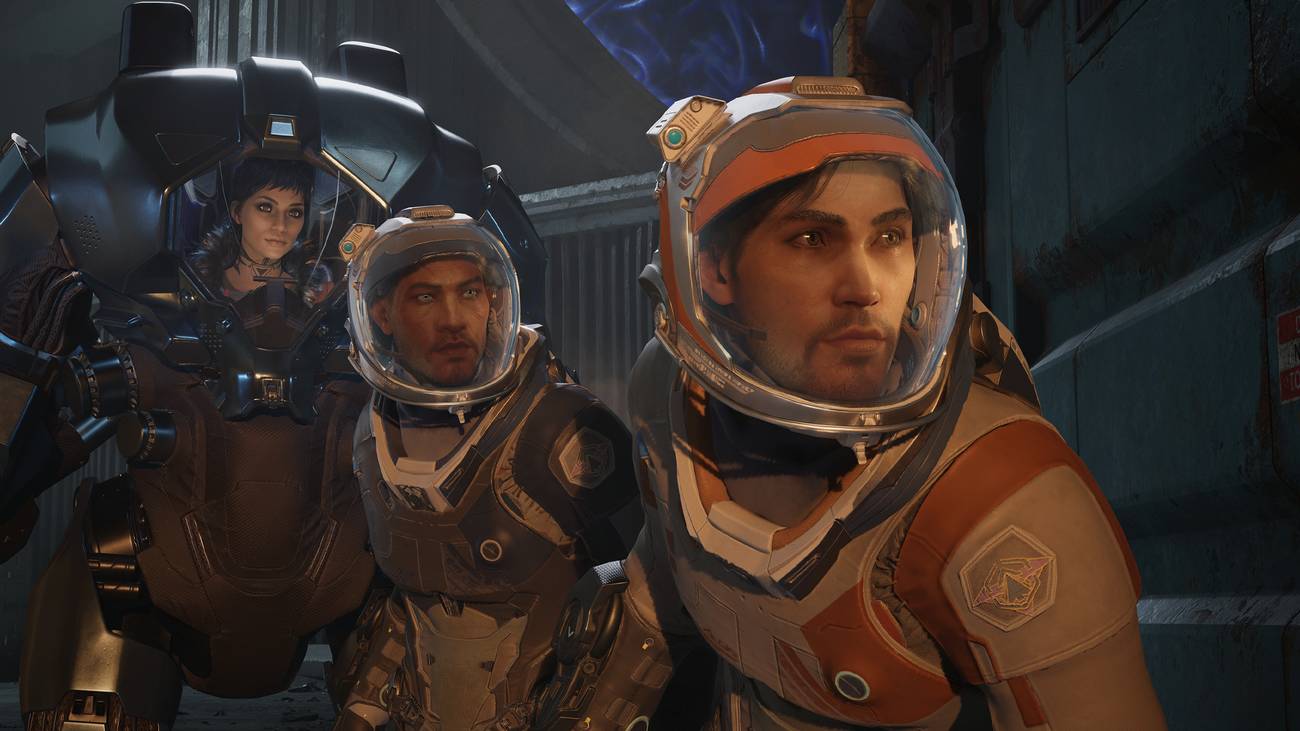
Perhaps the even bigger surprise was how much I relied on my companions. In Mass Effect, there were plenty of times when I would order a squadmate to use an ability and barely notice what it accomplished. Eventually, I would fall back on Shepard’s own abilities because I knew exactly what they were going to do. I didn’t have that problem here. Once I realized how much damage my companions could do, I was using their abilities almost every time they were available.
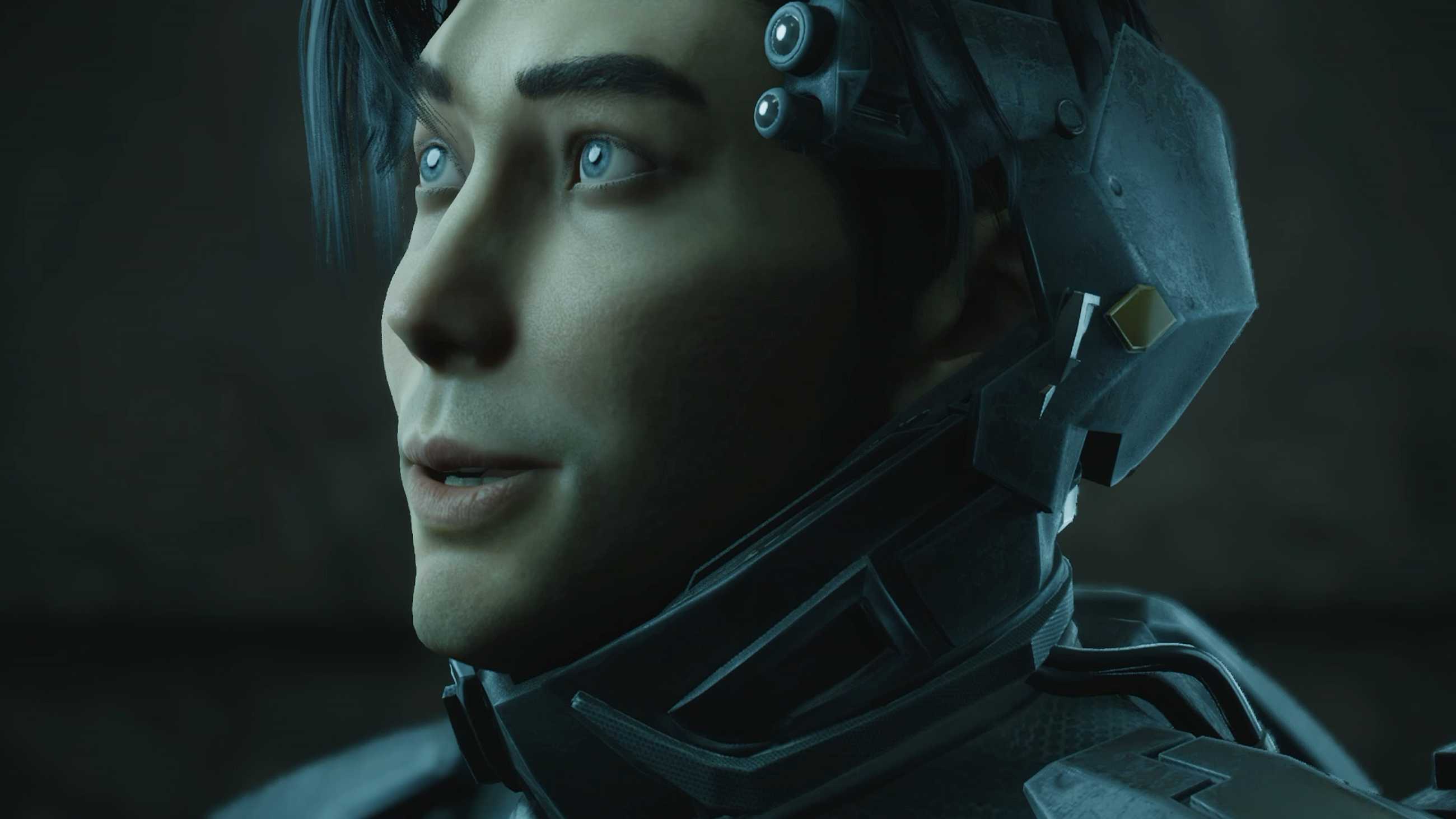
Suliman’s Shadow Step was probably my favorite, though I’m admittedly an easy sell when stealth is involved. He cloaks himself, moves toward an enemy, and then attacks with a blade when he appears again. Shadow Step also builds Adrenaline and helps replenish Vendetta, so using one ability naturally pushed me toward the other. Vendetta could then let Suliman hit multiple enemies while applying Corroded, and that made him useful for more than picking off one weak target at the beginning of a fight.
Once I realized how much damage my companions could do, I was using their abilities almost every time they were available.
Elise handled things very differently. Knockdown Missile hit the enemy I was targeting hard enough to briefly stun it, which was especially useful when something stronger was bearing down on me. Micro-Missile Barrage did exactly what the name suggests and gave her another attack that was impossible to miss once it started. There were moments where my companions did so much damage that a dangerous enemy was nearly dead before I had done much myself, and I never found that boring. I liked finally feeling as though the people fighting beside me were just as capable of killing something as I was.
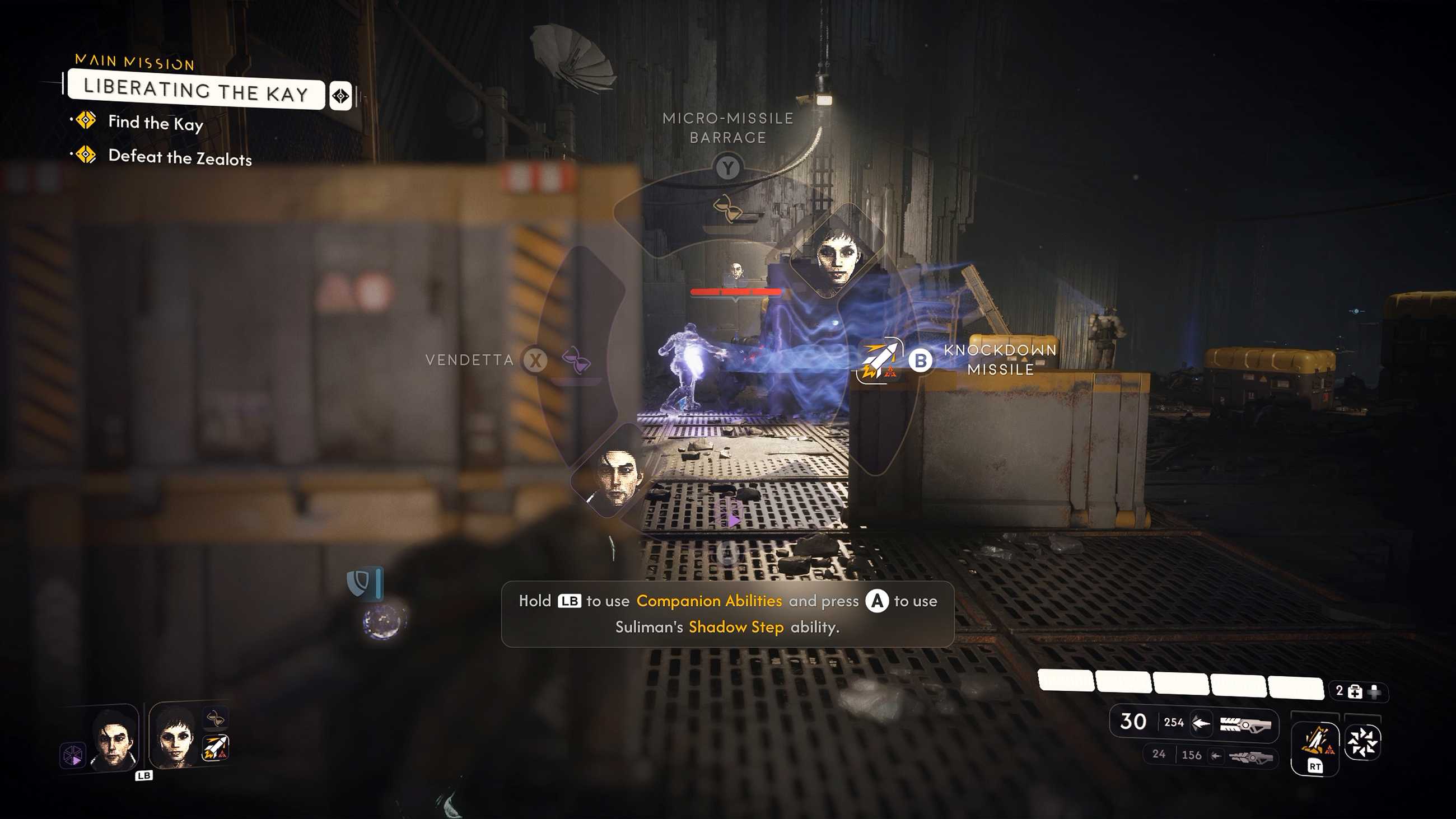
That didn’t make the preview easy, though. Some enemies were tough enough that companion abilities only bought me time, and I died once against the final boss before beating it on my second attempt. I heard other people around me having trouble with that fight too, so I definitely wasn’t the only one who had to adjust. I also couldn’t spend every encounter sitting behind cover. Some arenas didn’t give me much of it in the first place, which forced me to keep moving instead of settling into the same rhythm every time combat started.
Petrify became one of my favorite ways to deal with that pressure. The same ability I used on power sockets could temporarily petrify an enemy, so if one particularly strong target was making a fight miserable, I could take it out of the equation for a moment and deal with something else. I liked having that option because it wasn’t simply another attack on a cooldown. It could change which enemy I dealt with first and give me enough room to recover when a fight started getting away from me.
I Wanted More Time With Exodus
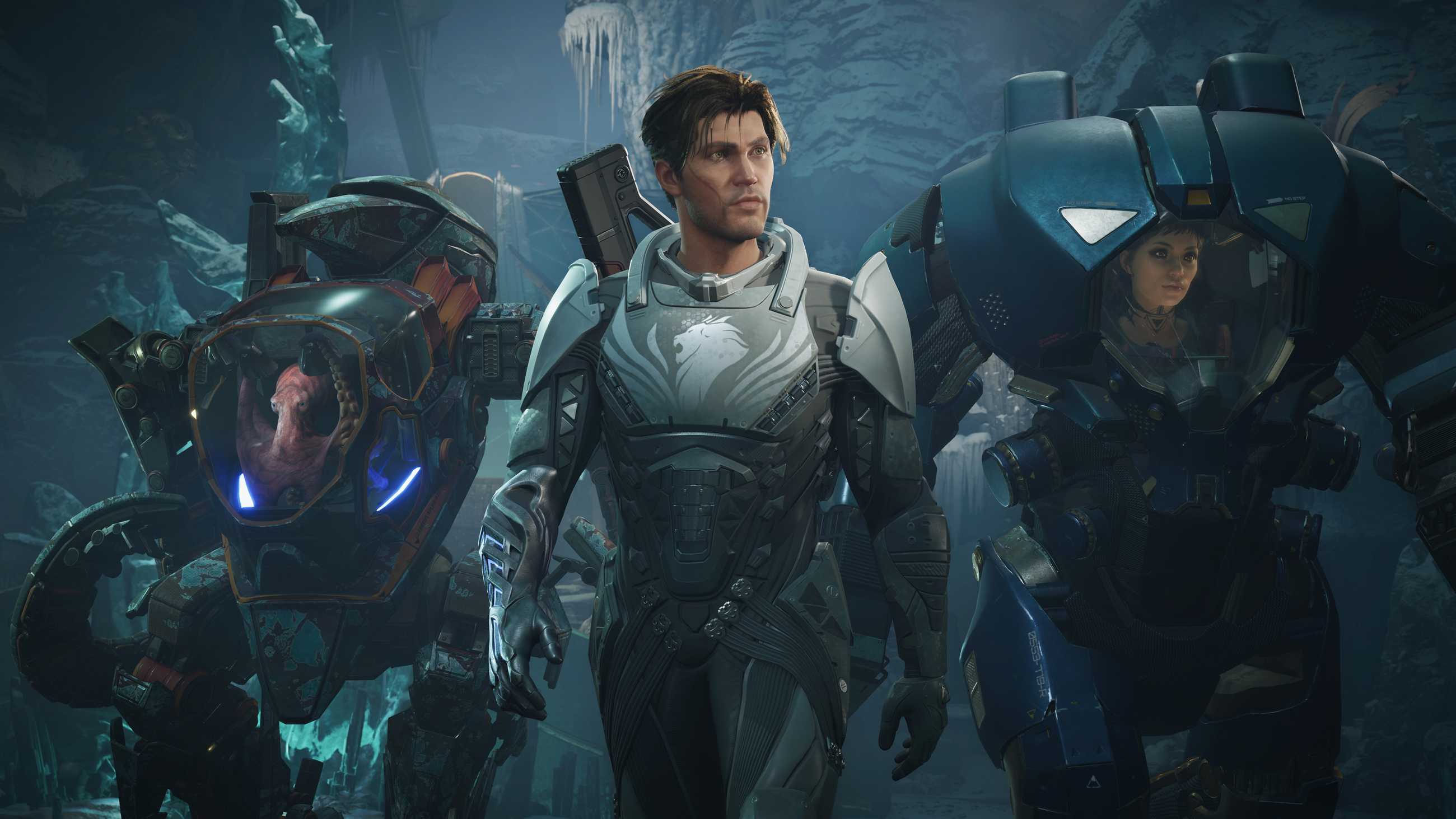
A little over an hour isn’t enough time to know whether Exodus can hold all of this together across an entire sci-fi RPG. I barely touched the larger progression systems, and I have no idea how much the decisions I made on Khonsu will matter later. I also didn’t spend enough time with Suliman or Elise to know what those relationships look like once the game has had dozens of hours to develop them. For now, I can really only judge the version of Exodus Archetype put in front of me.
But it just so happens that I liked that version quite a bit. Khonsu gave the game a darker atmosphere than I expected, and the decision surrounding the Kay gave me an actual reason to stop and think before choosing an answer. Exploration kept paying me back for looking somewhere I wasn’t told to go, while combat became more interesting once I realized my companions could legitimately change how a fight played out. None of that tells me Exodus is guaranteed to work over a full playthrough, but it at least ensured that when my time with the game was over, I wasn’t ready to stop playing.
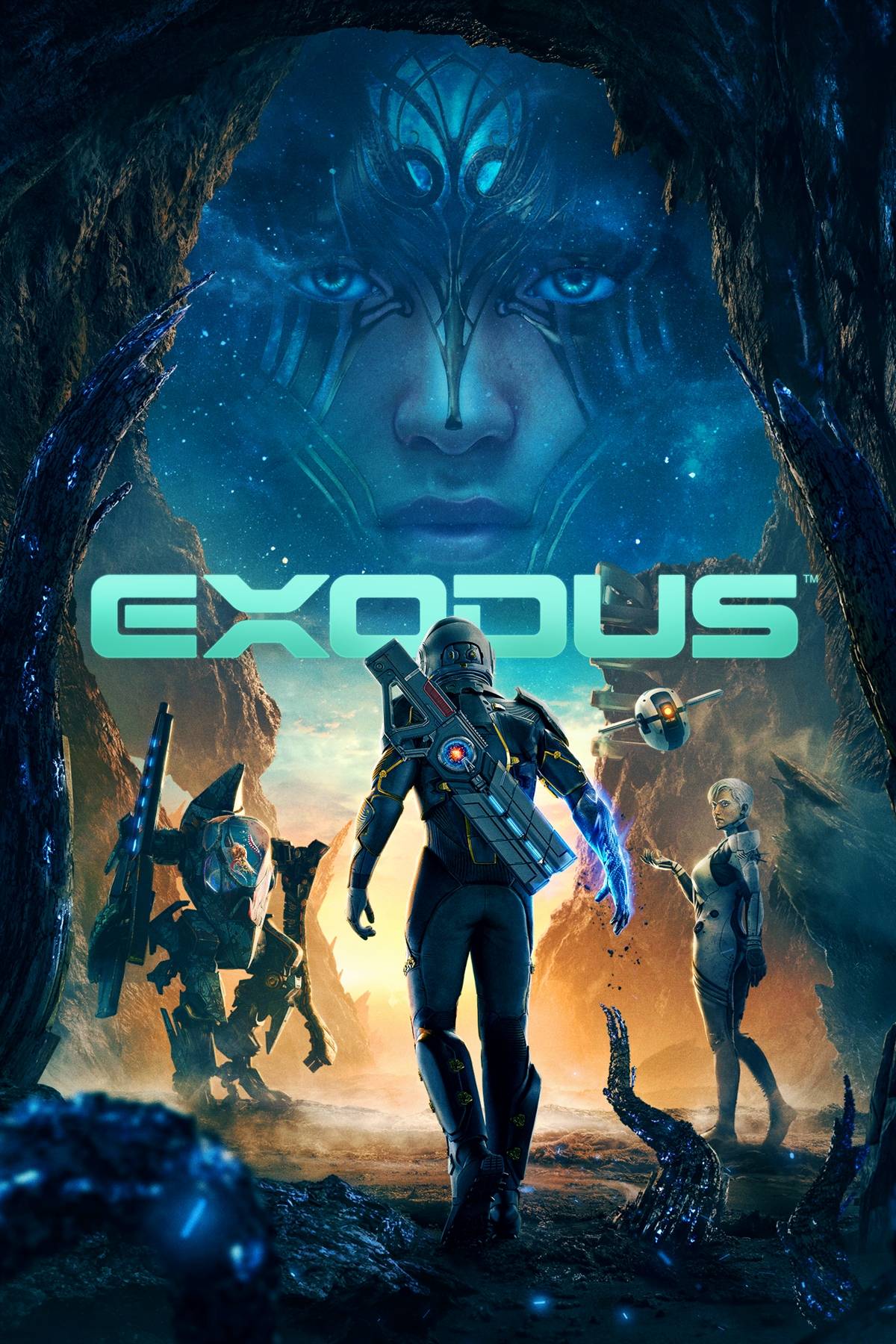
Released
April 7, 2027
Developer(s)
Archetype Entertainment
Publisher(s)
Wizards of the Coast
Number of Players
Single-player
Steam Deck Compatibility
Unknown
Exodus launches on April 7, 2027 for PC, Xbox Series X|S, and PS5. GameRant was provided with travel and lodging for the purposes of this preview.
