

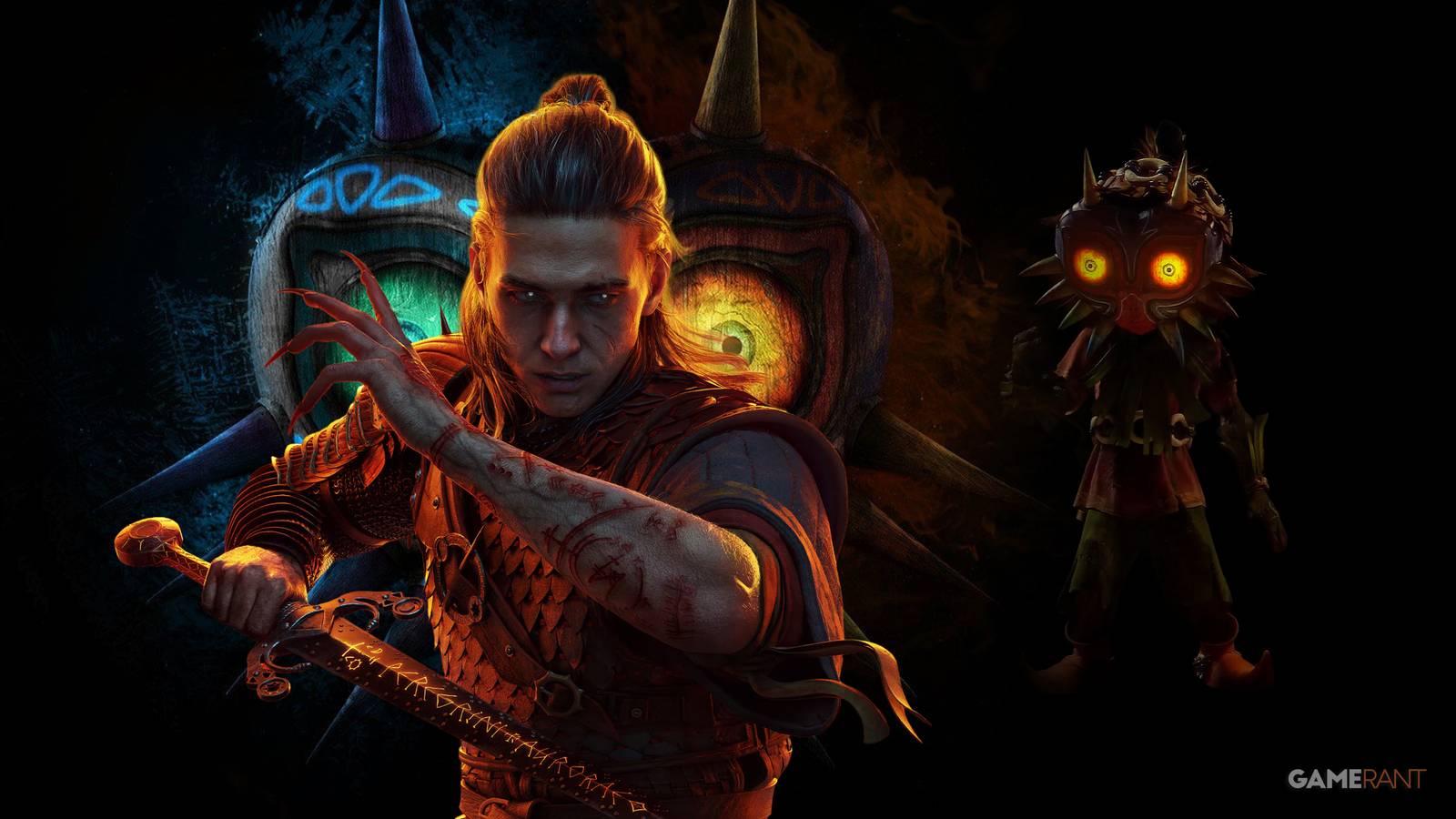


With the recent announcement of an Ocarina of Time remake for the Switch 2, classic Zelda nostalgia is understandably at an all-time high. Many of the original game’s biggest fans are more than ready to return to what will undoubtedly be a beautifully reimagined Hyrule. However, while everyone is busy looking backward at the Hero of Time’s most beloved adventure, the true spiritual successor to its weird, dark, masterpiece of a sequel, Majora’s Mask, is arriving in the form of the highly anticipated open-world RPG, Blood of Dawnwalker.
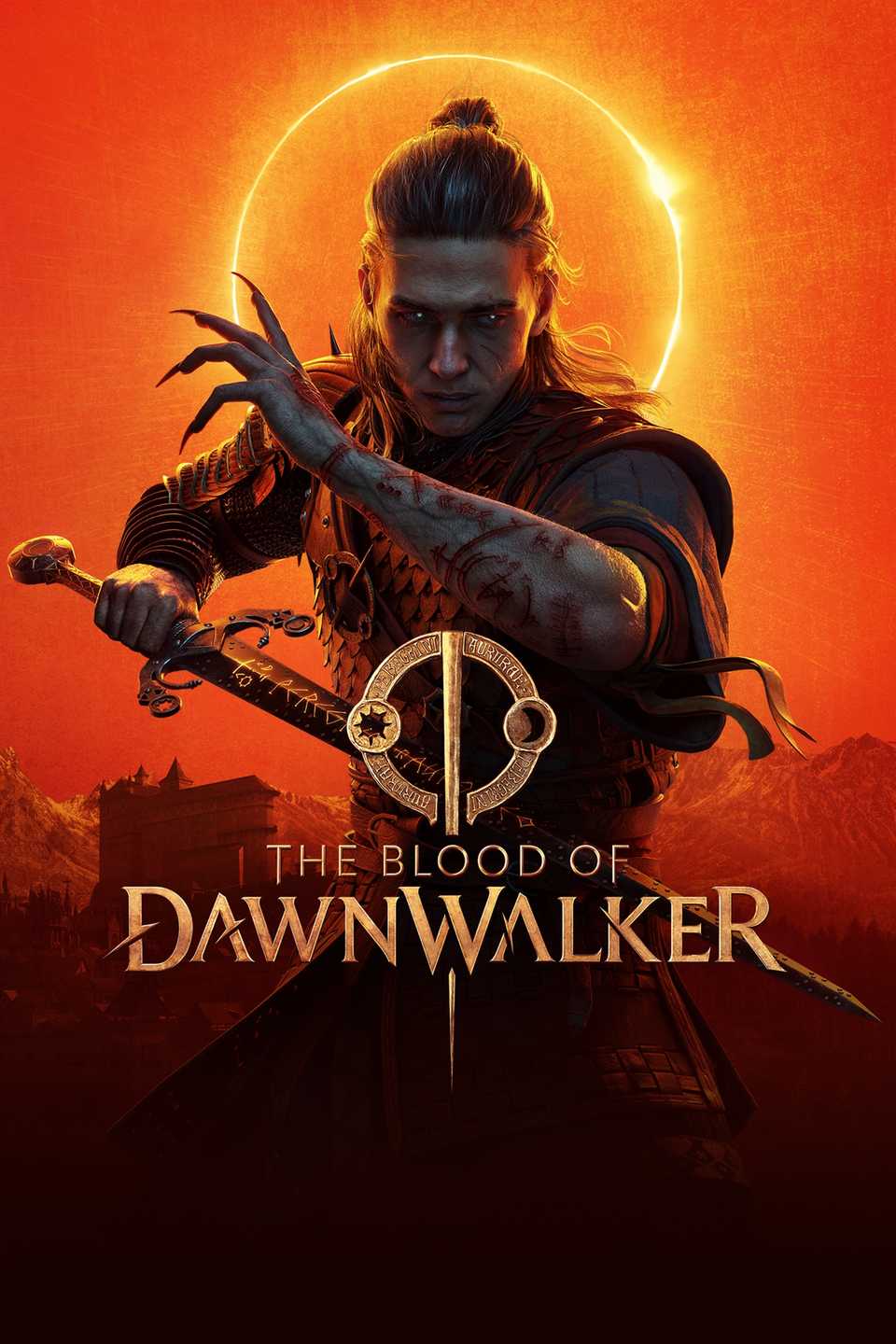
Set to launch on September 3, 2026, Rebel Wolves’ Blood of Dawnwalker is actively inheriting the exact design philosophy that made Majora’s Mask so revolutionary. By placing players on a strict, 30-day countdown where every major action permanently advances the clock, Blood of Dawnwalker turns time into a ruthless gameplay mechanic, doing what most open-world games won’t do for fear of robbing players of the freedom that draws many of them to the genre in the first place. It’s no gimmick, but a system built entirely around choice and consequence—and whether it means to or not, it is effectively carrying the torch of Majora’s Mask by forcing players to grapple with the reality that time can be just as much an enemy as any boss.
Related
After Ocarina of Time, Switch 2’s Next Zelda Remake Feels Obvious
Switch 2’s Ocarina of Time remake may have already pointed Nintendo toward the next Zelda classic waiting in line.
Majora’s Mask Proves the Modern Sandbox Only Carries the Illusion of Consequence
To fully understand why an approach like this is such a rare but valuable commodity in modern gaming, the current trend of role-playing games at large is worth a glance. Look at almost any massive open-world RPG on the market today. Time might factor into when certain shops open, when specific monsters spawn in the overworld, or whether an NPC is awake or sleeping in their bed, but the player is—with the exception of games like Kingdom Come: Deliverance 2—generally unaffected by it. Essentially, the world, for all its movement, waits for you.

Guess the games from the emojis.
Easy (120s)
Medium (90s)
Hard (60s)
Start
Gamoji
Guess the game from the emojis.
Guess the games from the emojis.
Easy (120s)Medium (90s)Hard (60s)Start
Gamoji
Guess the game from the emojis.
You can spend eighty hours hunting down hidden collectibles, mastering a card mini-game, or picking alchemy ingredients deep in the woods, and the impending apocalypse will be put on hold until and only when you are ready to proceed. In that way, any threat the big bad of the world poses is purely narrative and never mechanical.
Honestly, there’s an incredible amount of inconsistency in that design. We are told the world is ending, but we’re encouraged to waste as much time as we want—especially if it gets us to a point where we’re 20 levels higher than the next boss. Modern open-world game design relies heavily on that approach, where maps are jam-packed with hundreds of icons, and the player is expected to clear them out like a laundry list. You basically never have to choose between saving a village that’s being ransacked or acquiring a powerful weapon in a dungeon. Instead, you spend an hour in the dungeon to get the weapon, and then you use that weapon to save the village that somehow survived during your hour-long delve.

In hindsight, that’s precisely what made Majora’s Mask such a compelling Zelda entry, as well as one of the most memorable video game experiences ever crafted. When that game launched in 2000, it fundamentally broke the rules of adventure gaming by making time the player’s worst enemy and making every major action a tradeoff. If you chose to be a hero and stop a mugger in Clock Town on the first night, you inadvertently locked yourself out of reuniting two star-crossed lovers on the final day of that cycle because you disrupted a chain of events you couldn’t even see.
We are told the world is ending, but we’re encouraged to waste as much time as we want—especially if it gets us to a point where we’re 20 levels higher than the next boss.
Basically, every choice meant not doing something else. It created an atmosphere of profound anxiety and melancholy, but also a deep sense of intimacy with the world. You learned the schedules of the NPCs, not because you merely wanted to know when the shops would open up, but because you had to manipulate this massive time puzzle where you were the only piece that could actually move. Majora’s Mask respected players enough to let them fail, to let them run out of time, and to force them to live with the consequences of who they chose to help during a specific three-day cycle.
That often overwhelming, stress-inducing sense of consequence is exactly what Blood of Dawnwalker is executing with its 30-day structure. In a way, it’s taking the foundation laid by Nintendo 26 years ago and dropping it into the framework of a massive, modern, open-world RPG. Sure, at first, 30 days in Blood of Dawnwalker sounds a lot less stressful than 3 days in Majora’s Mask, but there’s quite a bit more to it than simple math can tell.
Instead of putting players into an endless sandbox where time stretches to infinity, time in Blood of Dawnwalker is an ever-depleting resource. Just as most modern open-world games allow, it doesn’t punish players for walking around and exploring like Majora’s Mask does, as its clock only advances when you major missions, quests, or significant story objectives. Nevertheless, Rebel Wolves is making a massive gamble on an action-based design philosophy that ultimately respects the player’s choices by making them both permanent and costly. By giving the player a 30-in-game-day limit to achieve their ultimate objective—and significantly worsening the world state if they fail to do so—the game essentially makes time the game’s most valuable currency.
When you boot up Blood of Dawnwalker, you are immediately faced with hard truths that might be difficult for the average completionist to wrap their mind around:
You won’t see every quest.
You won’t save everyone.
You won’t experience every storyline in a single playthrough.
Blood of Dawnwalker is intentionally designed around sacrifice and prioritization. Since quests carry a time cost, every major story decision has the potential to close the door on something else, whether that means leaving a storyline unresolved, missing a different opportunity, or dealing with the fallout of a choice the player made hours earlier. That’s the part that makes its 30-day structure so compelling, and what made the 3-day loop of Majora’s Mask so fascinating in 2000 as well.
One of the main reasons this matters so much is because, for years, RPGs have promised us that our choices matter, only for those choices to boil down to a binary dialogue tree right before the credits roll, picking an option that changes a 60-second segment of the final cinematic. The gameplay leading up to that moment remains largely identical regardless of what you do, and it’s almost always disappointing.
Instead of putting players into an endless sandbox where time stretches to infinity, time in Blood of Dawnwalker is an ever-depleting resource.
But Blood of Dawnwalker is tapping into the same magic that made Majora’s Mask one of the most unforgettable N64 games ever made. When a game limits your time in the same way these two do, it forces you to decide what—and who—is actually important to you. The idea is that by preventing players from making both decisions in their own time, the outcome of the story means that much more. It’s strange, because most games might call that a limitation of freedom, and yet, there’s nothing more freeing than knowing you were legitimately, not artificially, in charge of the outcome.
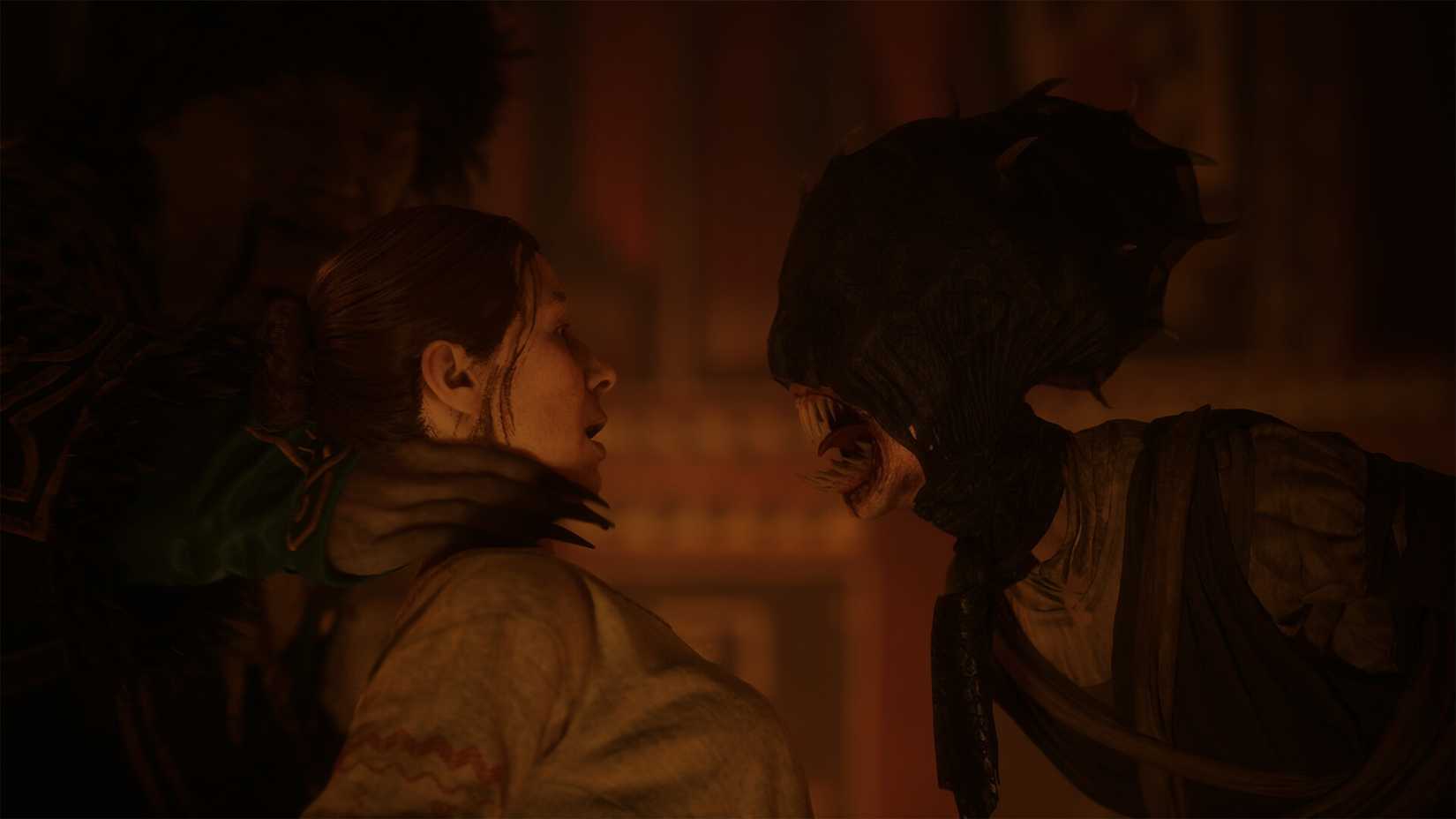
It takes incredible confidence for a development team to spend thousands of hours designing quests, characters, and storylines, knowing full well that any individual player will only see a fraction of it on their first run. It goes against the modern industry instinct to serve every bit of juicy content on a massive, Assassin’s Creed Valhalla-sized silver platter. But it’s the exact kind of design philosophy that has been known to create masterpieces like Majora’s Mask, and now it’s finding its way into Blood of Dawnwalker 26 years later.
Released
September 3, 2026
ESRB
Mature 17+ / Blood and Gore, Intense Violence, Nudity, Strong Language, Strong Sexual Content
Developer(s)
Rebel Wolves