






Open-world RPGs are a dime a dozen, and it’s not too hard to see why. The sense of freedom offered by both frameworks—open-worlds and RPG systems, that is—is undeniably appealing, and the best open-world games prove that this appeal is well-founded.
But for every Skyrim or The Witcher 3, there are several less successful, less culturally beloved open-world RPGs. Some crumble under the weight of their own ambition, while others feel hampered by convention and overly safe business practices. In the worst cases, an underperforming open-world extravaganza can even alter the trajectory of a company or IP, and can be safely described as an utter disaster.
The following games, while not without their merits, most definitely did not land in the way their developers hoped.
Related
Longest Open-World Games
Even the most sophisticated gamer will be bewildered by the sheer scale of these games. These are the open-world games that take the longest to beat.
Biomutant
A Long Wait; A Hard Fall
When it was first announced in 2017, Biomutant seemed to have a lot of promise. Its art direction was unique and compelling, and its premise of anthropomorphized animals wielding guns and swords in a massive junk-punk world was absurd enough to capture the imagination of its target audience.

Click on the game with the higher OpenCritic rating.
Easy
Medium
Hard
Play
Restart
Back
Results
0 Points
High Score: 0
Sadly, Biomutant wound up being incredibly disappointing, bogged down by weightless combat, bland presentation, and rote quest design, not to mention technical and performance issues. Certain elements, including the aforementioned art direction, are worthy of praise, but the game is mostly an unfavorable debut from Experiment 101, a studio with a lot of promise.
Forspoken
Flashy, Pretty, And Terribly Written
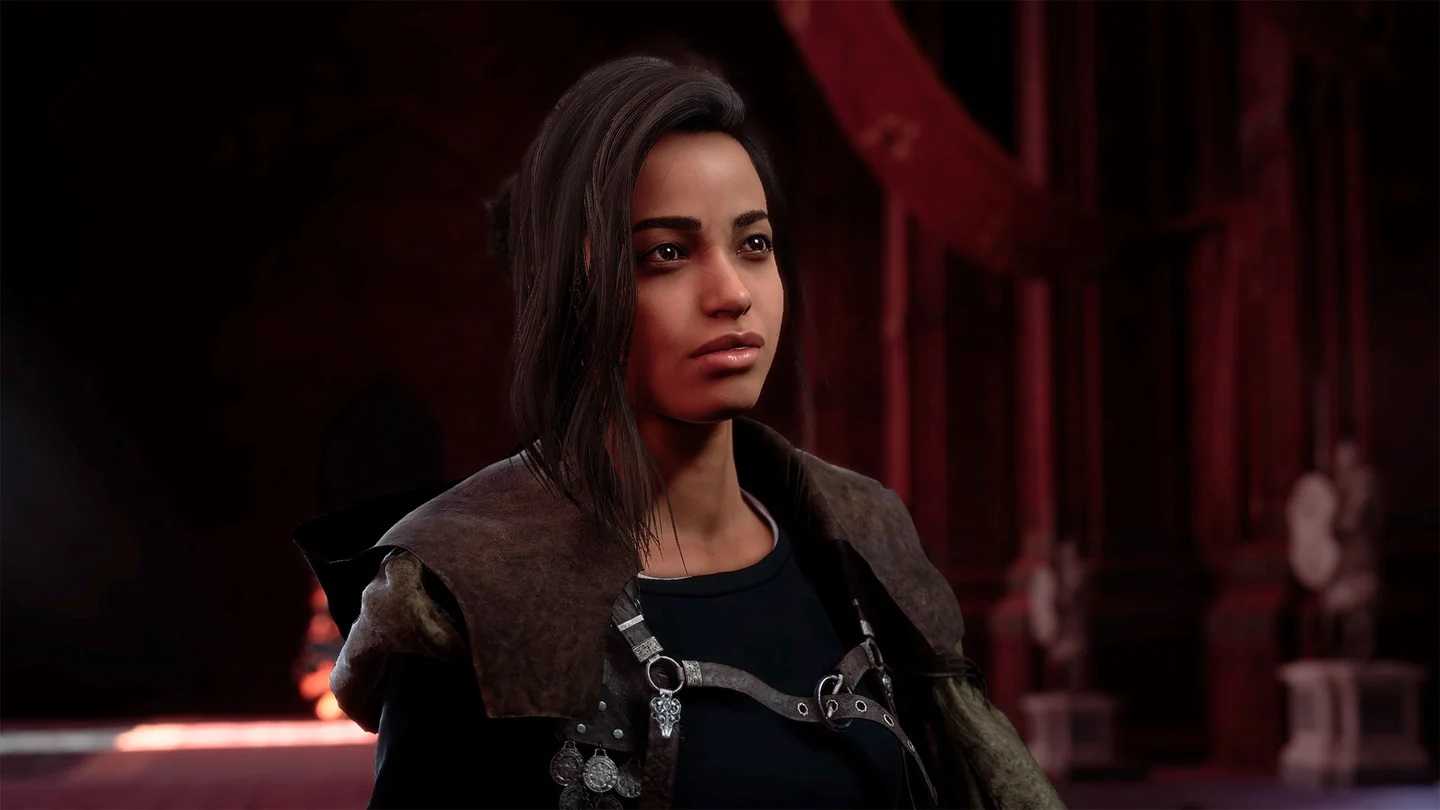
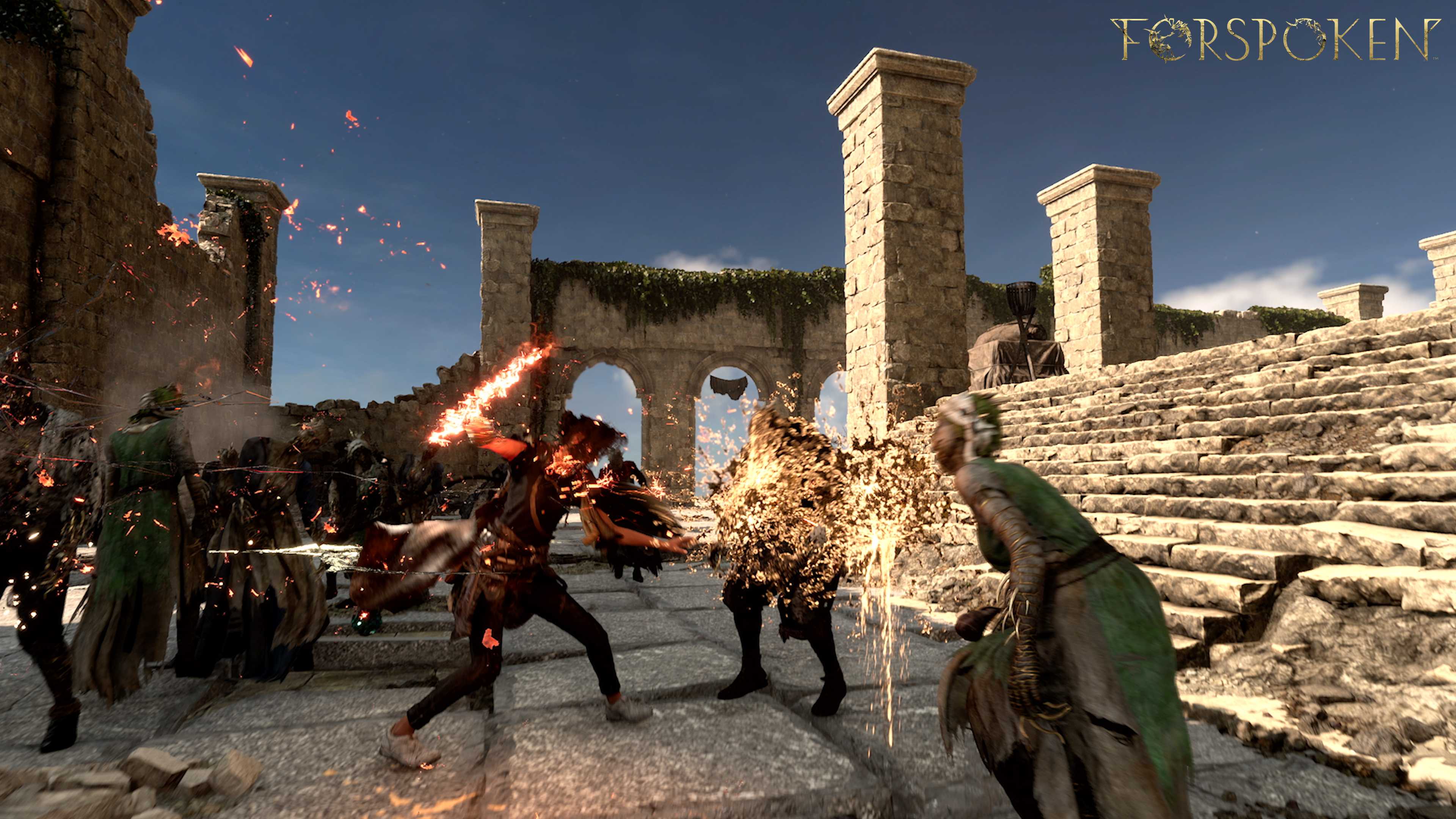
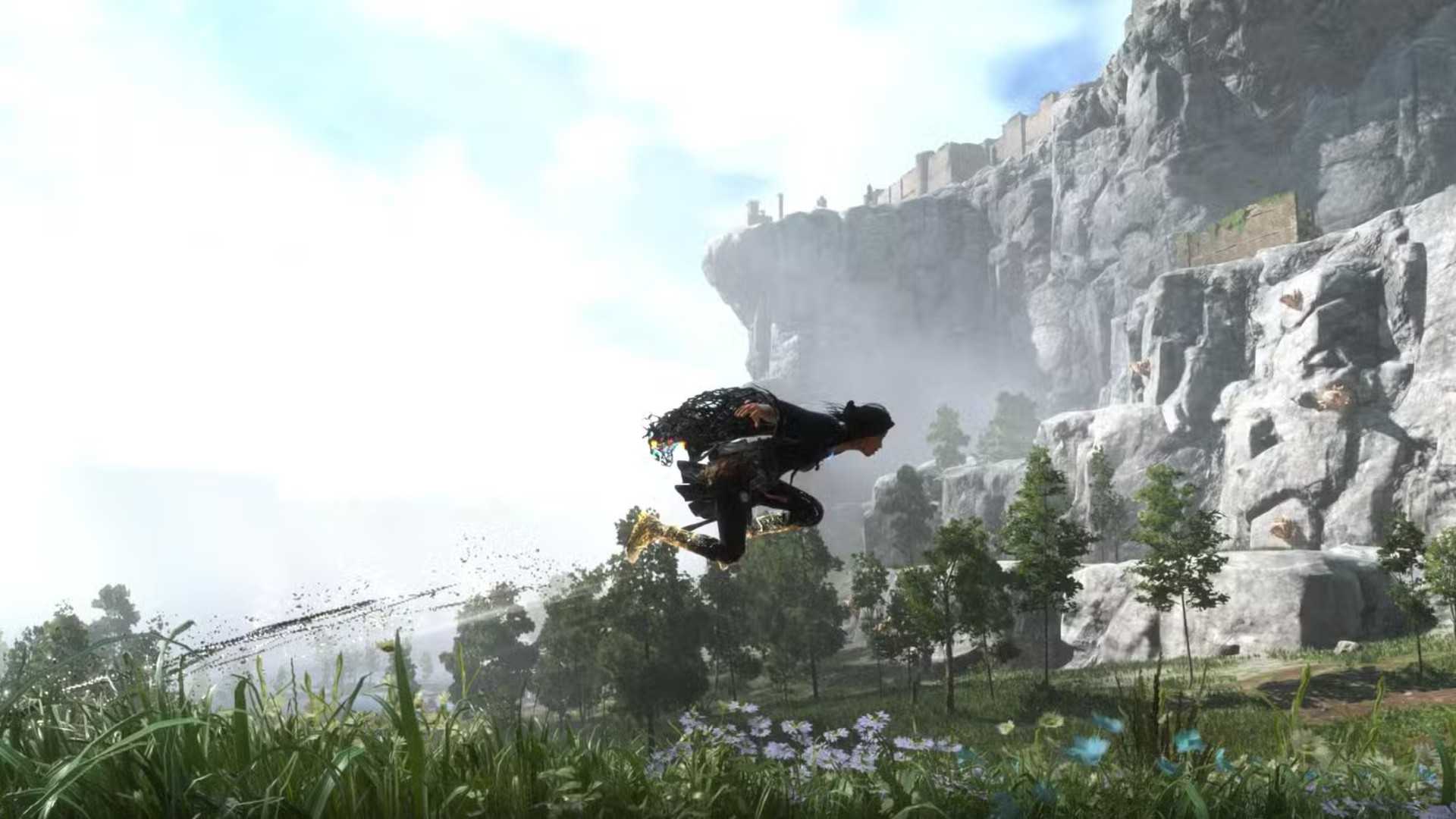
I don’t think that Forspoken is completely without its merits. Many of its environments are quite stunning, its magic system is flashy and fun, and traversal can be very satisfying as well. That said, Forspoken fumbles the most important aspect of a massive open-world RPG: it’s just not likable.
Frey Holland could very well have been an interesting protagonist had Square Enix toned down her MCU-isms a bit: every other sentence out of her mouth is some forced wisecrack that usually doesn’t land, and the same goes for her companion, a sentient wrist cuff. Other characters don’t fare much better either. Pair this cringe-inducing dialog with a fairly bland fantasy backdrop, and Forspoken is consistently underwhelming as a high-fantasy adventure.
Skull And Bones
No One Asked For This
Skull and Bones seems even more foolhardy today, now that we have the much better Assassin’s Creed 4: Black Flag Resynced. Indeed, the seafaring antics of AC4 are considered the pinnacle of the franchise by many fans, and a return to that premise was much anticipated for years after its initial release.
But no one hoped for Skull and Bones, an open-world live-service that strips back the charming characters, compelling narrative, and well-crafted historical settings of Assassin’s Creed 4, replacing them with shallow RPG elements and some of Ubisoft’s worst microtransactions. After so many years in development hell, expectations weren’t exactly high for Skull and Bones, but it somehow managed to disappoint anyway.
Related
7 Biggest Games That Flopped Commercially, Ranked
These ambitious triple-A games fell short of lofty expectations, leading to huge financial losses for the companies behind them.
Redfall
Arkane’s Darkest Hour
Although it’s more of a looter-shooter, Redfall’s freeform map and leveling system certainly put it in conversation with other open-world RPGs. Unfortunately, the vampire-themed co-op shooter doesn’t live up to any of its contemporaries. It’s generic and boring at best, and an absolute nightmare to play at worst. It launched in a terrible technical state, sure, but the shallow progression, empty gestures to immersive sim gameplay, and striking lack of production value make it not even worth salvaging.
Tragically, Redfall came from Arkane Austin, the branch of Arkane Studios that developed the incredible Prey (2017). Whatever went wrong here, it’s clear that Arkane Austin was capable of so much more. To make matters worse, the failure of Redfall most likely contributed to Microsoft closing Arkane Austin in 2024.
At the time of writing, only Arkane Austin has been shut down. However, Microsoft has reportedly started the process of divesting from the entirety of Arkane Studios in 2026.
Anthem
An Historic Failure
 Image via BioWare
 Image via Electronic Arts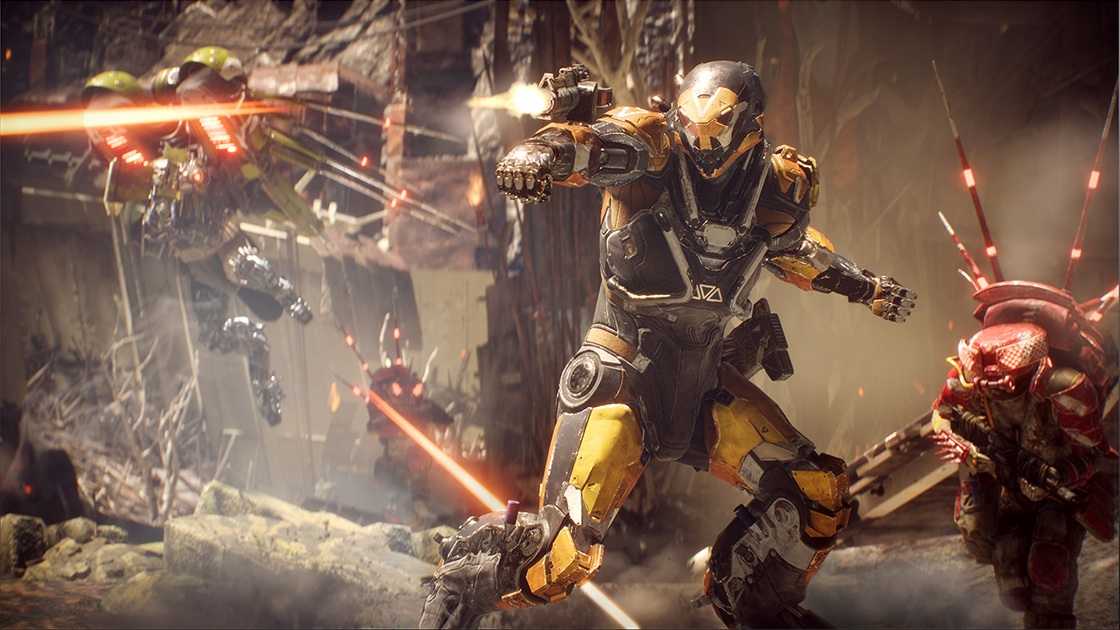
Disappointing and baffling pivots into the live-service realm are unfortunately common today, but in the mid-2010s, it was still a somewhat novel concept. So when BioWare, the legendary studio behind franchises like Dragon Age, Knights of the Old Republic, and Mass Effect, released the flashy, co-op, microtransaction-riddled Anthem, it came as a shock.
Had Anthem offered a compelling world to explore, interesting gameplay, or a modicum of the strong writing BioWare had become known for, perhaps the live-service model wouldn’t have been such an issue. But with shallow design, a bland world and story, and repetitive gameplay, Anthem was soon forgotten by all but a handful of players, and they mostly hop back in just to briefly enjoy the flying mechanic.
Starfield
Hear Me Out
It may seem a bit dramatic to call Starfield a “total disaster.” After all, it’s not much worse than Fallout 4, and that game, despite not being as well-regarded as its predecessors, definitely has its fans. Starfield’s world, story, and dialog might be toothless and milquetoast, but you can brush that off if you want to. You might call it a quintessential 7/10 game.
The thing is, Bethesda Game Studios didn’t need a 7/10 game in 2023, when Starfield launched; it needed another Skyrim. Bethesda has arguably been in decline since Skyrim, actually. Even Fallout 4 (which, again, has its merits) is arguably a massive narrative and mechanical downgrade from Fallout: New Vegas and even Fallout 3. And I know that some people like Fallout 76, but that sort of live-service fiasco was always viewed as a detour. Bethesda was in dire need of another genre-defining, smash-hit open-world RPG, not just to win back dwindling public opinion, but also to reestablish itself as an authority in the industry.
Related
Honestly, Bethesda’s Loading Screens Aren’t That Big of a Deal
One of the most common complaints about Bethesda games is the loading screens, but they shouldn’t be that big of a deal-breaker.
Instead, Bethesda pushed out Starfield, a game that is mediocre at best. Maybe it’s underappreciated—I’m open to hearing arguments in favor of that viewpoint—but it obviously wasn’t the success Bethesda wanted it to be. Nearly three years after the game’s release, its impact can hardly be felt, and it certainly hasn’t helped build excitement for The Elder Scrolls 6. For a developer as ambitious (not to mention expensive: Starfield reportedly cost over $200 million) as Bethesda, this might prove to be devastating.
