'/%3E%3C/svg%3E)

'/%3E%3Cpath%20fill='%23b2b2b2'%20d='M241%20382q0%2016%2017%2026%2017%2011%2042%2011t42-11q16-11%2017-26V269H241'/%3E%3Cpath%20fill='%239f7e00'%20d='M241%20379q0%2014%208%2023%209%209%2021%209%2014%200%2021-9%209-9%209-23V269h-59'/%3E%3Cpath%20d='M241%20339v-70h59v110q0%2014-9%2023l-6%205v-68h-15v72q-8%200-14-4v-68zm59%2040c0%2022%2015%2032%2029%2032%2021%200%2030-18%2030-32v-40h-59'/%3E%3Cpath%20fill='%239f7e00'%20d='M266%20277v5h2v12h-3v-5h2v-5h-9v5h2v5h-4v9h3v18h-5v10h34v-10h-5v-18h3v-9h-4v-5h2v-5h-9v5h2v5h-3v-12h2v-5zm42%20101q0%2010%206%2017%206%206%2015%207%2010-1%2016-7%206-7%206-17v-29h-43'/%3E%3Ccircle%20fill='%230044ad'%20cx='329.5'%20cy='372'%20r='6'/%3E%3Cellipse%20fill='%230044ad'%20cx='300'%20cy='340'%20rx='16'%20ry='21'/%3E%3C/svg%3E)



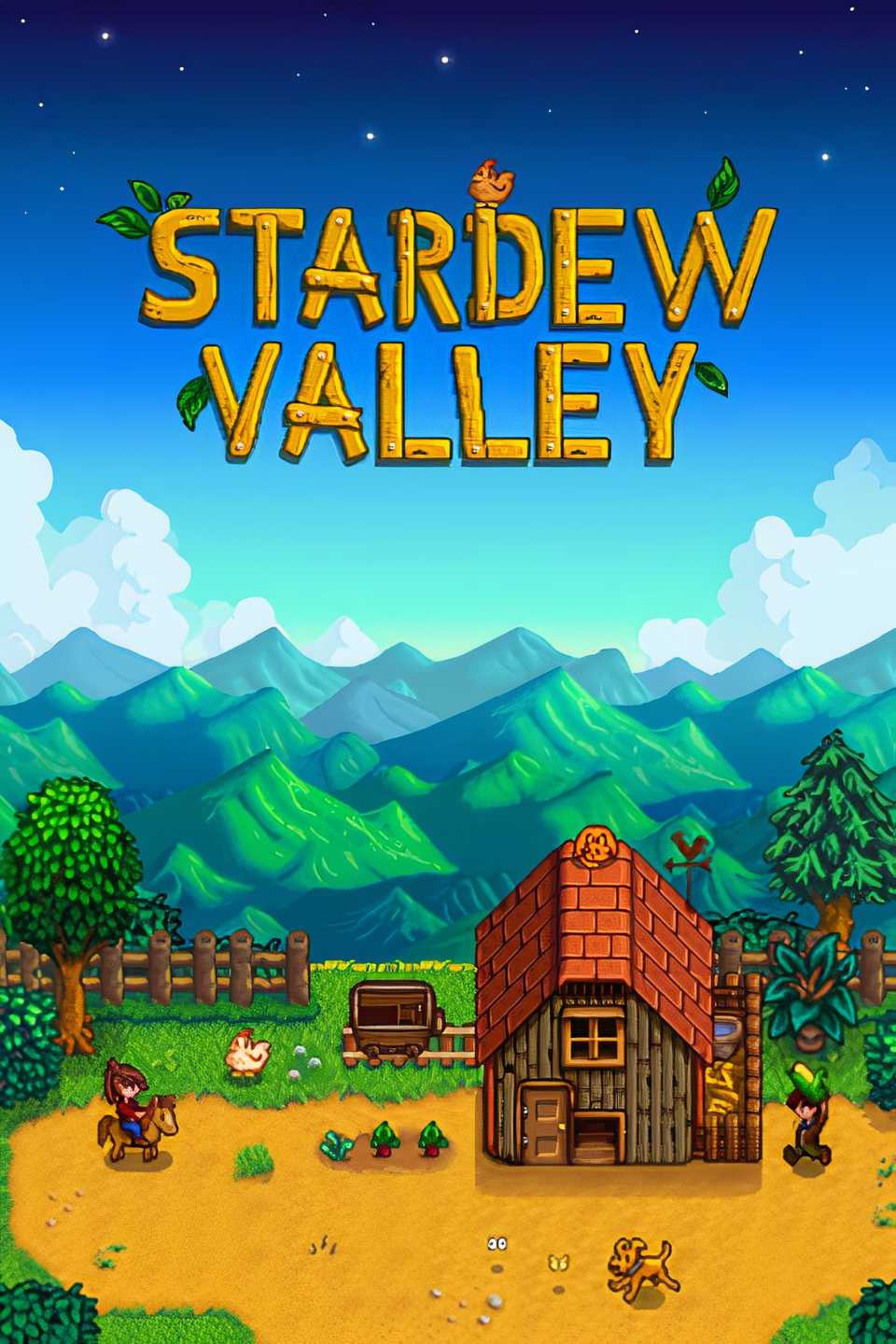
With its first version releasing way back in 2016, Stardew Valley has since grown into something beyond almost any other indie game out there. Following the announcement of a 1.7 update coming sometime in the future, Stardew Valley fans are more excited than ever about this now-beloved farming sim. Though developer ConcernedApe has warned that it will be awhile before the update releases, players are still eager to see what it will encompass.
In the past nine years, this humble little game has amassed a thriving fanbase and a vibrant modding community, and its popularity shows no signs of flagging. In that time, the indie gaming scene itself has grown exponentially as well. Dozens of games have taken inspiration from Stardew Valley, yet it remains the gold standard of indie farming sims. Here are a few reasons why this game has had such a massive impact.
One Person Created Something Incredible
A Solo Project Full Of Heart
Eric Barone, also known as ConcernedApe, is hardly the first solo developer to create a beloved title. The idea that one person could create a great game had been proven by Toby Fox with Undertale, not long before Stardew Valley released. Barone’s farming sim, though, proved it wasn’t a fluke.
More than anything, Stardew Valley feels like a labor of love. There’s care, detail, and personality built into every corner of the game. It proves that indie games, even those with simple premises, can still feature fully fleshed-out worlds and three-dimensional characters. And it was all done by a single developer, inspiring other solo devs and small teams to do the same.
Revitalized Interest In Farming Sims
The Genre Has Been Booming
Stardew Valley is far from the first game to tackle the concept of creating a thriving farm and building one’s place in a community. Eric Barone himself has gone on record saying that the game was inspired by titles like Harvest Moon. But since the game debuted and has increased in popularity, the farming sim genre has seen something of a renaissance, especially in the indie space.
Over the past few years, there’s been a boom of cozy life sim games that involve living in harmony with nature. Some stick to the formula, like Sunhaven or Little Witch in the Woods. Others lean into RPG mechanics, like Kynseed. Thousands of players have found a peaceful kind of escapism with Stardew Valley, and that has given rise to a whole new niche of games.
A Huge Variety Of Things To Do
From Farming to Mining to Friendships & More
Despite seeming simple on the surface, Stardew Valley has quite a lot of variety in its gameplay loop. If tending the farm gets tiresome, players can spend a few in-game days delving into the mines, digging up treasure and slaying monsters. If that gets dull, they can spend some time exploring the game’s social mechanics, making friends and getting to know the characters better.
This variety is a huge contributor to the game’s staying power. It never gets boring. Yet, it never gets overly complicated either, as every activity leads back to the gameplay loop of improving the farm and building new upgrades. Stardew Valley chooses a few things and executes them near-perfectly, giving it an endlessly satisfying replayability that few other indie games have managed to achieve.
It’s Still Growing & Evolving
Adding New Content For Almost A Decade
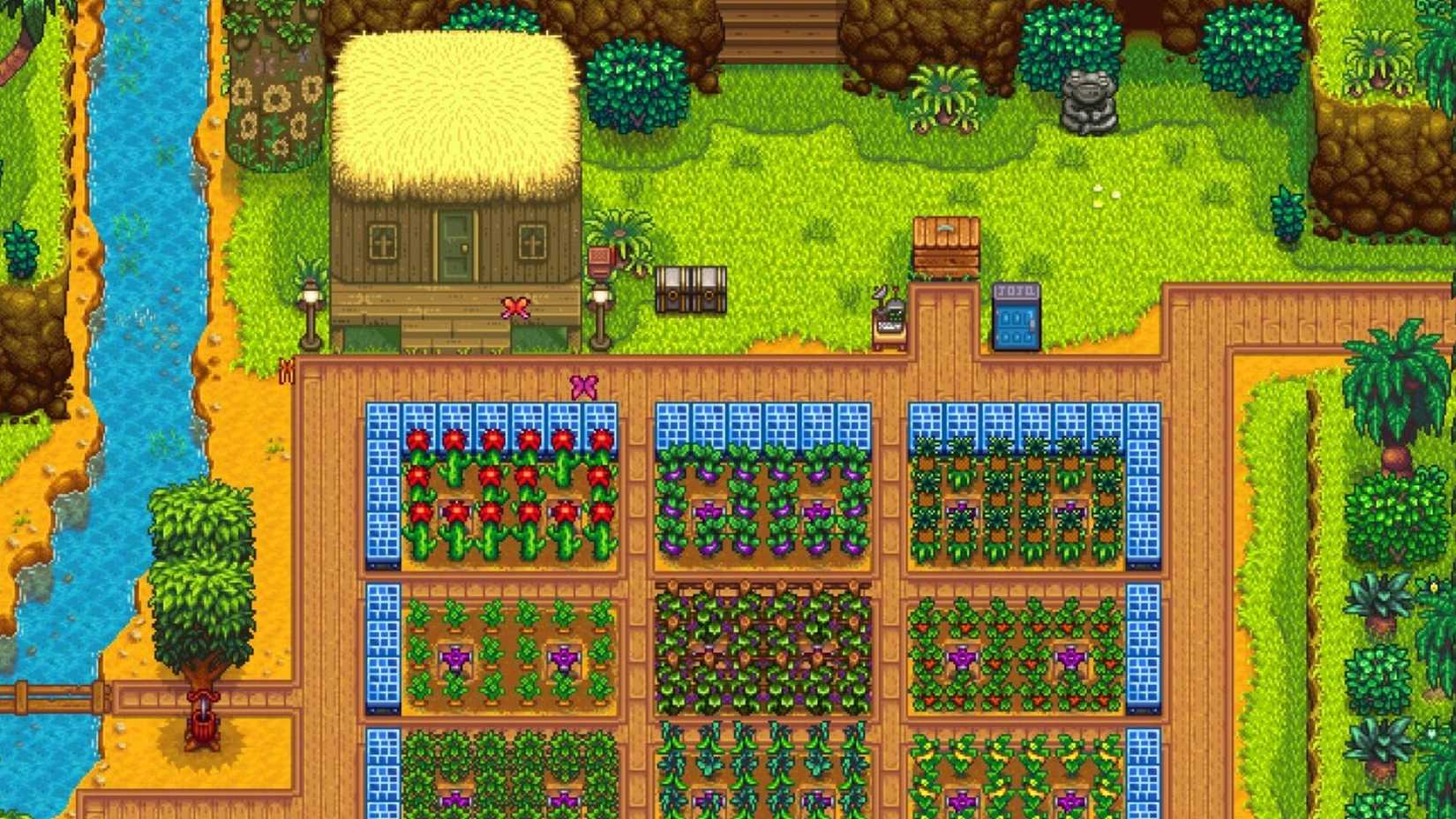
Longtime players have gotten to watch the game grow in real time. Since its first version, updates to Stardew Valley have added new crops, characters, festivals, items, quests, and more. Even for players who feel they’ve seen everything the game has to offer, the larger updates offer tons of new content, bringing fans back in over and over again. What’s more, all of its additions have been free updates rather than paid DLC, making new content easily accessible.
Few other indie games, aside from those in early access, have offered regular free updates like Stardew Valley. It’s proven that games always have room to grow, and that there’s nothing to stop a developer from continuing to flesh out their ideas in whatever way they want. It encourages creativity and ongoing growth — and speaking of which…
The Modding Scene
Players Add Their Own Spin
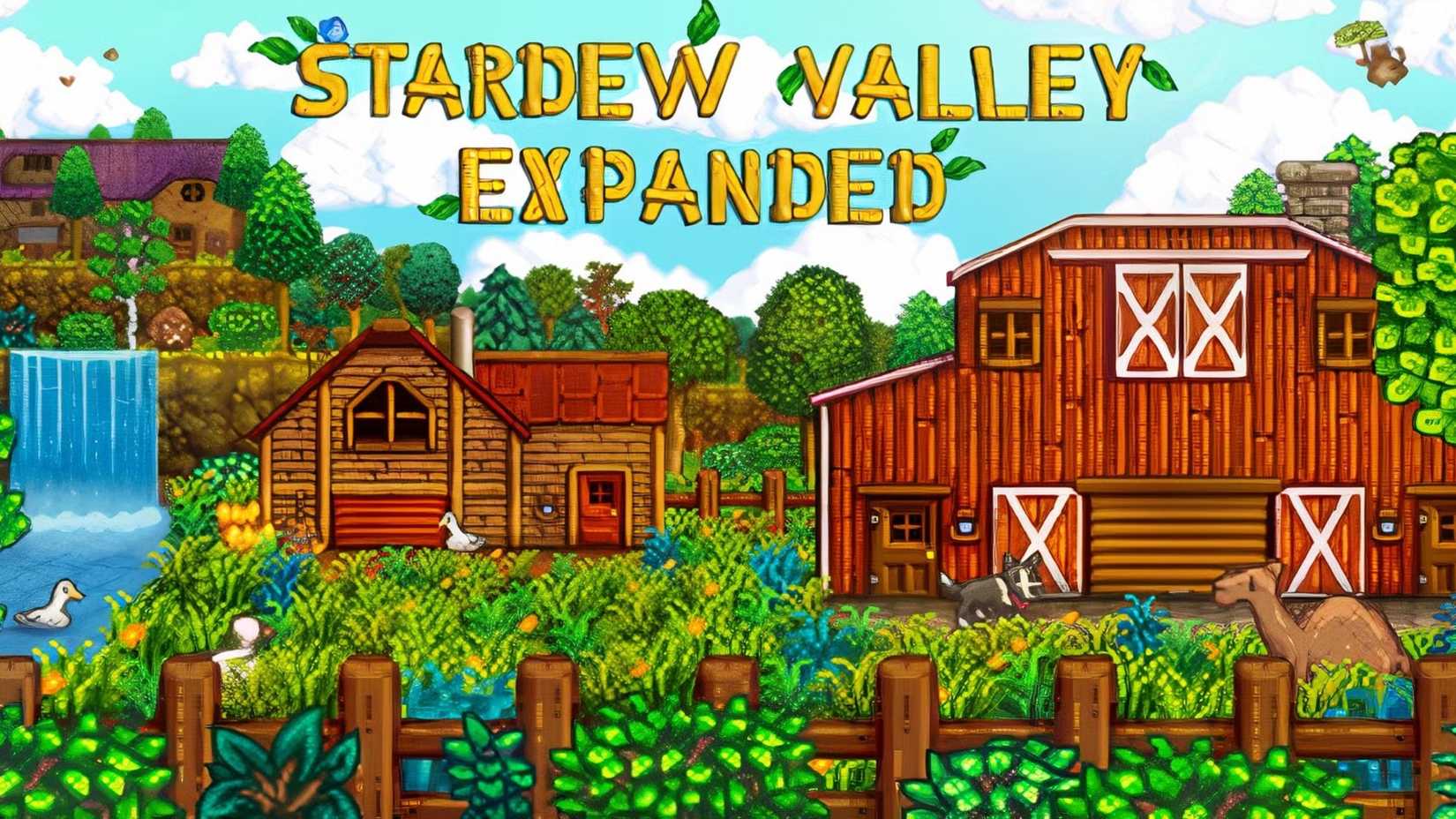
On the subject of Stardew Valley’s endless potential, it would be remiss not to mention the game’s modding scene. It has one of the biggest, most creative modding communities among indie games, with players adding everything from new crops to new storylines. One of the best-known mods is Stardew Valley Expanded, which even adds new marriage candidates to the game.
Stardew Valley and its creator not only support mods for the game, but actively encourage them. The official wiki for the game features its own page with everything that prospective modders need to know to get started. It’s relatively easy for even beginners to flex their creativity making mods for Stardew Valley, and it’s that innovation that helps keep the game alive.
Good Vibes Only
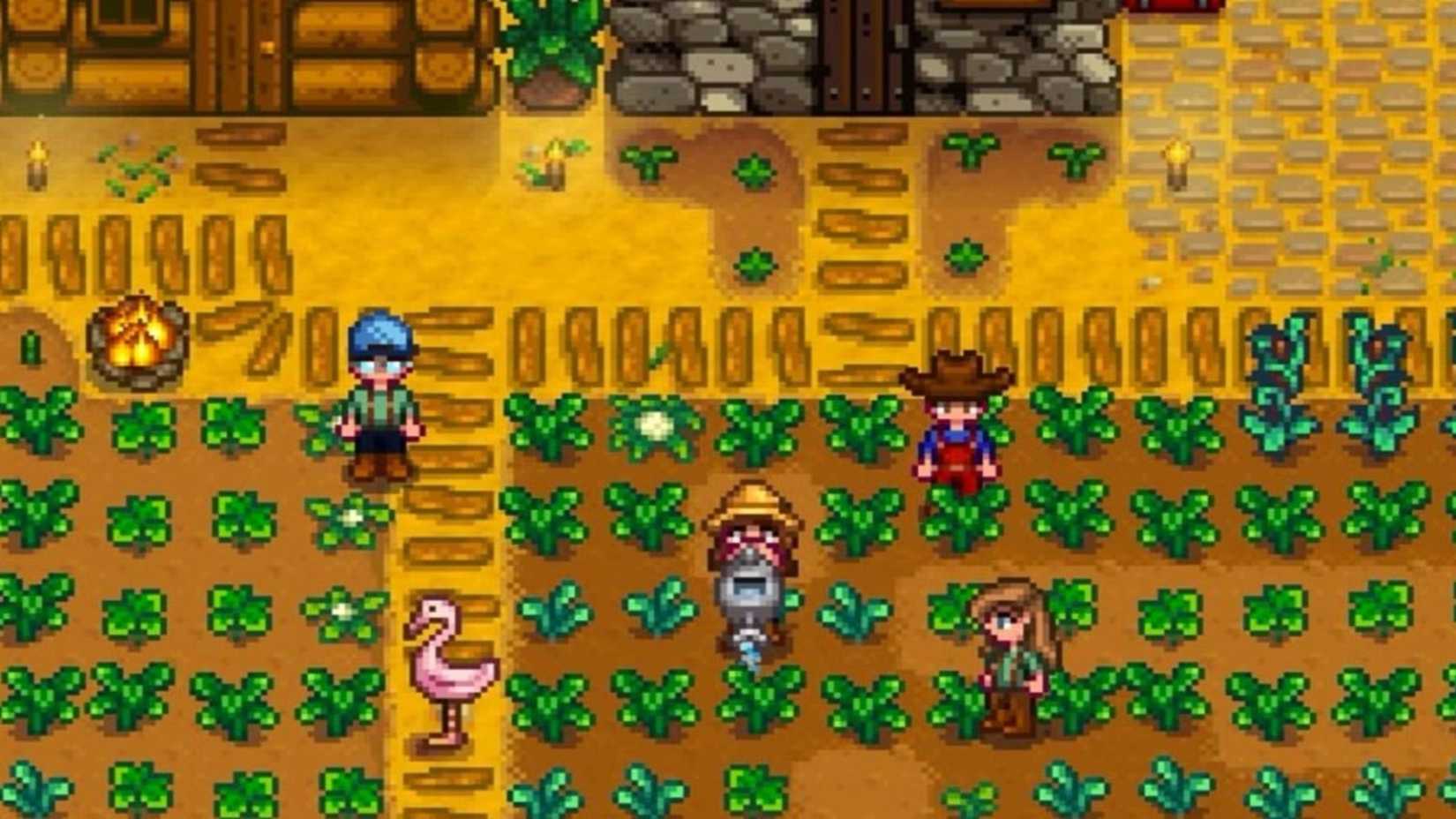
It’s no secret that gaming communities can be home to a fair amount of negativity and toxicity. However, that’s very rarely the case when it comes to Stardew Valley. Perhaps that’s partly due to its nature as a cozy, comforting game. Some fans might debate the best marriage candidates or Joja-vs-Community Center routes, but generally, it’s all in good fun. Most of the time, when Stardew Valley fans come together to share fan art, show off their in-game farms, or discuss tips and tricks, the overall vibe remains a positive one.
Stardew Valley’s now-popular co-op mode wasn’t part of the original game. It was introduced in version 1.3, partially due to how much the fanbase wanted it. Players love building their farms together and inviting friends to share in the game’s cozy, comforting world. The welcoming fan community is a draw for new fans and keeps veteran players sticking around, making it a big contributor to the game’s longevity. This one-man project has brought people together in a way that few other indie games can claim to have done.
Released
February 26, 2016
ESRB
E for Everyone (Fantasy Violence, Mild Blood, Mild Language, Simulated Gambling, Use of Alcohol and Tobacco)
Developer(s)
ConcernedApe
Publisher(s)
ConcernedApe
