'/%3E%3C/svg%3E)

'/%3E%3Cpath%20fill='%23b2b2b2'%20d='M241%20382q0%2016%2017%2026%2017%2011%2042%2011t42-11q16-11%2017-26V269H241'/%3E%3Cpath%20fill='%239f7e00'%20d='M241%20379q0%2014%208%2023%209%209%2021%209%2014%200%2021-9%209-9%209-23V269h-59'/%3E%3Cpath%20d='M241%20339v-70h59v110q0%2014-9%2023l-6%205v-68h-15v72q-8%200-14-4v-68zm59%2040c0%2022%2015%2032%2029%2032%2021%200%2030-18%2030-32v-40h-59'/%3E%3Cpath%20fill='%239f7e00'%20d='M266%20277v5h2v12h-3v-5h2v-5h-9v5h2v5h-4v9h3v18h-5v10h34v-10h-5v-18h3v-9h-4v-5h2v-5h-9v5h2v5h-3v-12h2v-5zm42%20101q0%2010%206%2017%206%206%2015%207%2010-1%2016-7%206-7%206-17v-29h-43'/%3E%3Ccircle%20fill='%230044ad'%20cx='329.5'%20cy='372'%20r='6'/%3E%3Cellipse%20fill='%230044ad'%20cx='300'%20cy='340'%20rx='16'%20ry='21'/%3E%3C/svg%3E)


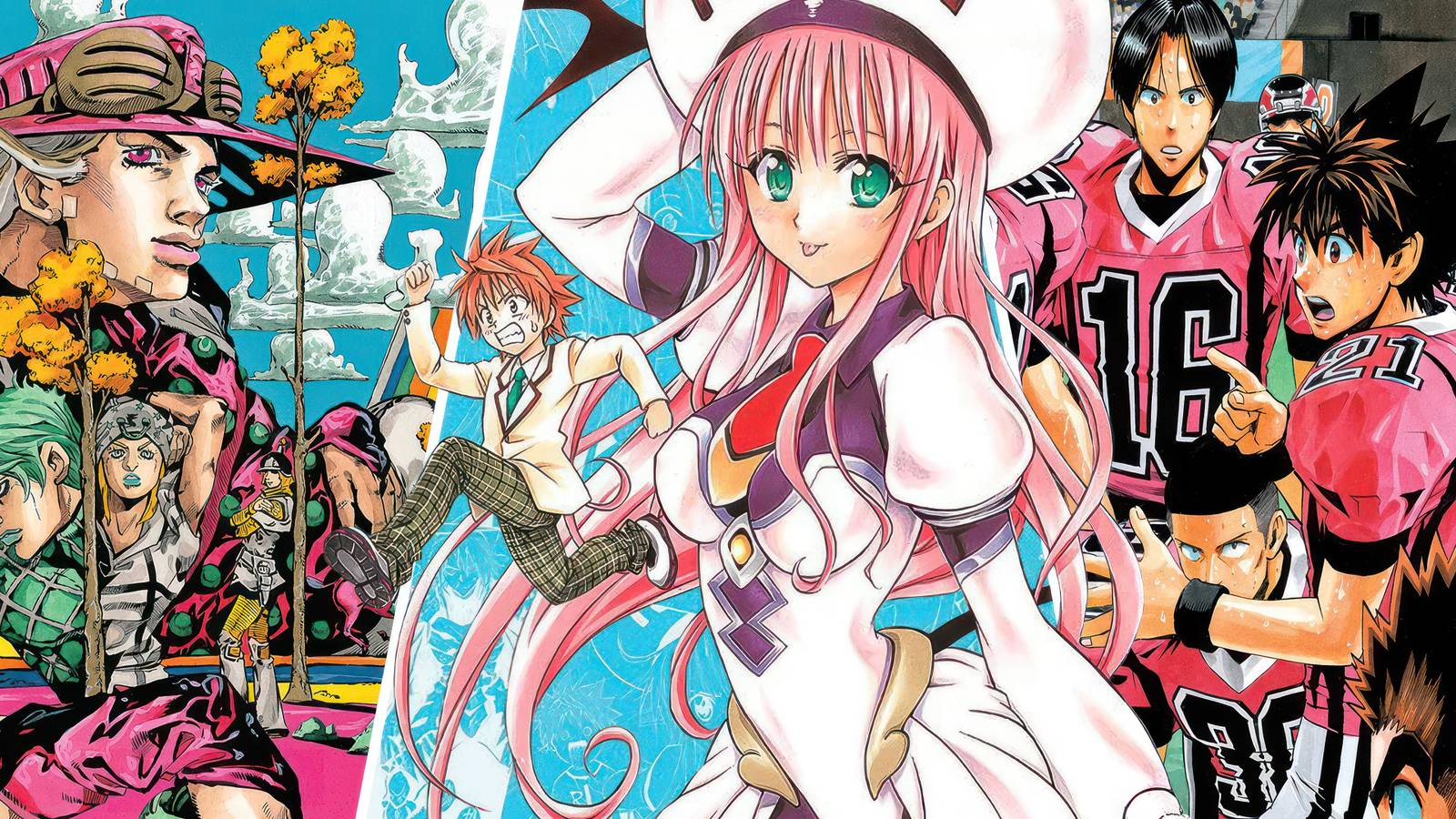


Of all the anime and manga demographics out there, Shonen titles have stood out as some of the most popular worldwide, reaching a wide variety of fans. Japan has a ton of different Shonen manga magazines, home to some of the biggest and most exciting series out there. But none have achieved the kind of success that Shueisha’s Weekly Shonen Jump has.
The now iconic manga anthology magazine has been around for nearly 60 years, and was once home to standout titles like Dragon Ball, Yu Yu Hakusho, JoJo’s Bizarre Adventure, Naruto, Slam Dunk, and more. With One Piece standing as its biggest ongoing series, WSJ is still holding on, though it is struggling to replace more modern standouts like JJK and My Hero Academia. Still, the magazine has consistently put out some great series, with the 2000s in particular standing as one of its golden eras. So let’s take a look at some of the best Weekly Shonen Jump manga from that decade. This will only include manga that began serialization in the 2000s, so no One Piece or Naruto.
Honorable Mention: Steel Ball Run
We’re still waiting for the rest of the Steel Ball Run anime adaptation to drop. But while fans wait, a reread of what many consider to be Araki’s best work might be in order. Though it started in Weekly Shonen Jump, Steel Ball Run switched over to Ultra Jump early on in its run, ending the JoJo’s Bizarre Adventure series’ nearly two-decade stint in WSJ.
Had it been completely serialized in the magazine, Steel Ball Run would’ve been a slam-dunk choice for best Weekly Shonen Jump manga of the 2000s. It’s considered by many to be the best part of the JoJo franchise, and even on its own, it stands as one of the best manga of the century.
Beelzebub
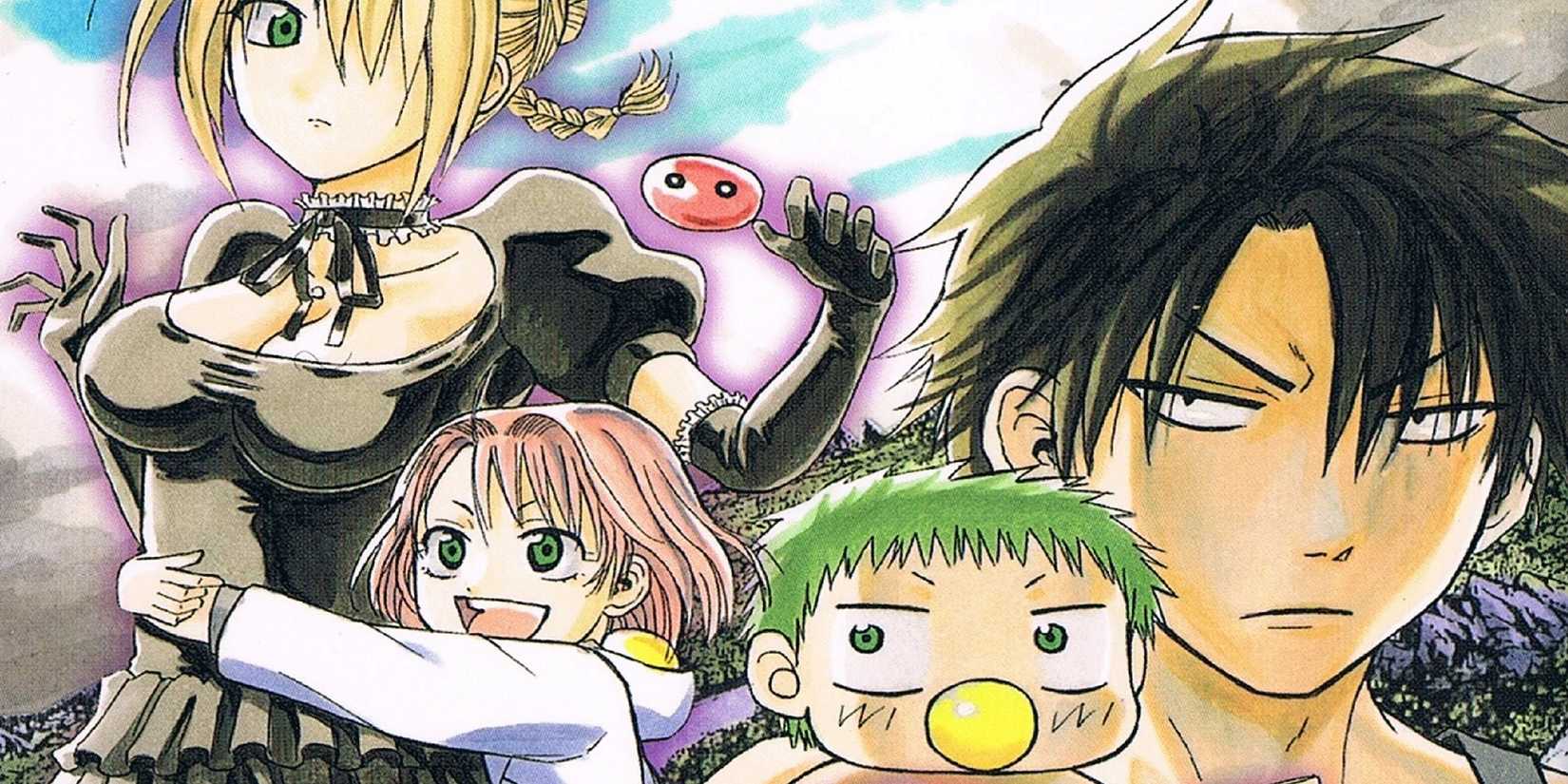
It might’ve started serialization at the very end of the decade, but Ryuhei Tamura’s Beelzebub just makes the cut as one of Jump’s best 2000s manga. The series follows Tatsumi Oga, a delinquent boy who finds and is forced to raise the Demon Lord’s infant alongside the child’s maid, Hilda. Tatsumi, of course, wants no part of this and tries to pawn Beelzebub off to strong students at his school, but it’s not that easy.
Rearrange the covers into the correct Japanese release order.
Easy (5)
Medium (7)
Hard (10)
Start
Rearrange the covers into the correct Japanese release order.
Easy (5)Medium (7)Hard (10)Start
Beelzebub is one of the better action comedies Jump had to offer in the 2000s and 2010s, with both elements balancing each other out pretty well. Tatsumi and Beel’s relationship is pretty heartwarming, and it adds some emotional weight to what could have otherwise been a pretty stale cycle of gags and fights.
Kuroko’s Basketball
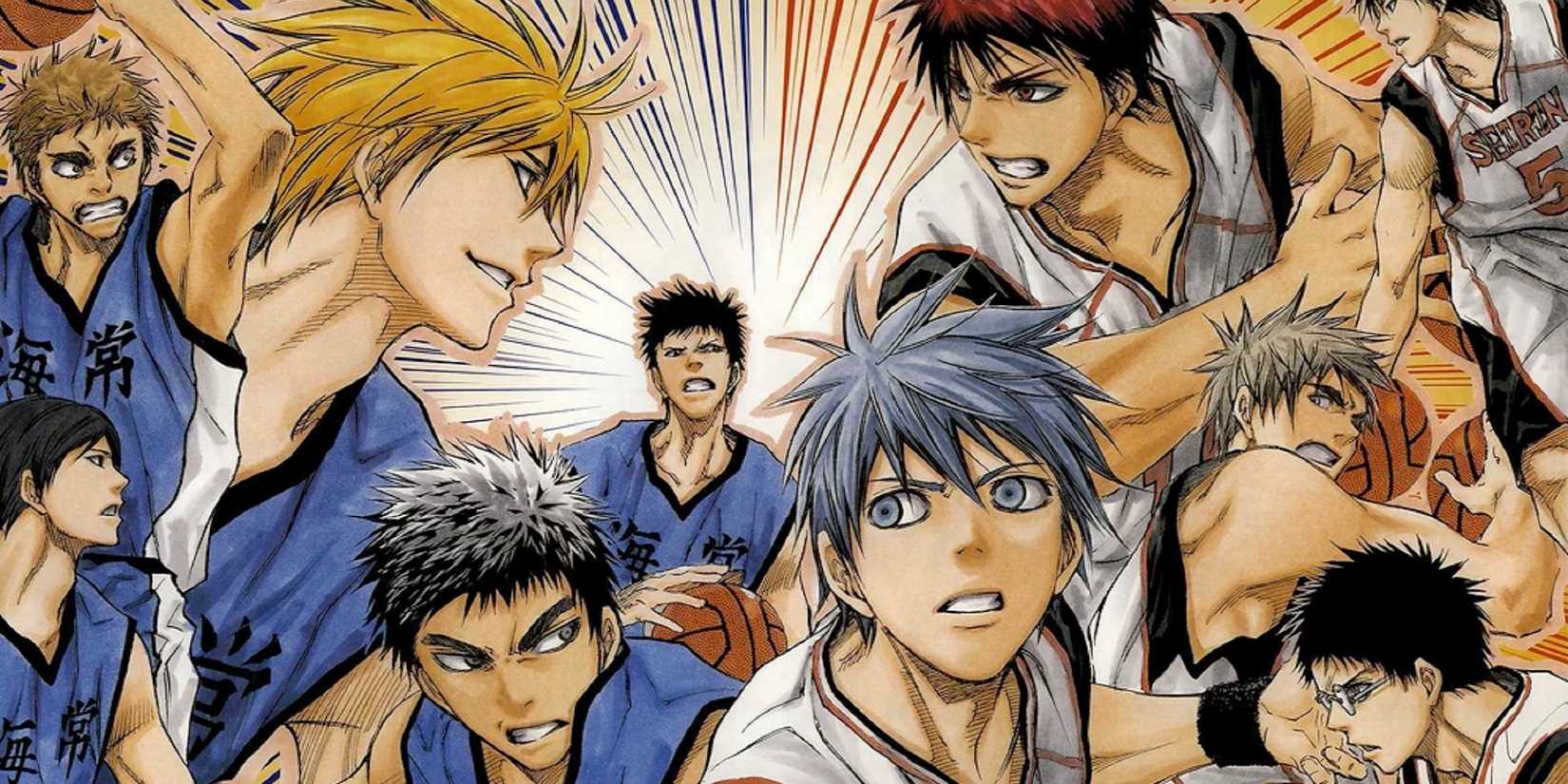
Weekly Shonen Jump is known for its great battle shonen, but the magazine has also been home to some of the best sports manga out there. Kuroko’s Basketball enjoyed a solid run from the late 2000s to the mid-2010s, inspiring an anime adaptation alongside various anime films.
The series follows Taiga Kagami and Tetsuya Kuroko, the latter of the two being the overlooked sixth member of Teikou Middle School’s ‘Generation of Miracles’, an elite group of players who split up upon entering different high schools. Now set on making the Seirin High School team the best in Japan, Taiga and Tetsuya set out to face their biggest obstacles.
To Love Ru
Weekly Shonen Jump has had some of the most interesting shonen romances out there, and in the 2000s, Saki Hasemi and Kentaro Yabuki put out what must be one of the most infamous of them all. To Love Ru is a trope-heavy harem that might be more well-known for its overindulgent fan service than anything else. The anime adaptation isn’t great, but Yabuki’s art really carries the series, and though it may be repetitive, as far as ecchi romcoms go, To Love Ru can be a fun read.
The series follows Yuki Rito, an ordinary and not all that remarkable high-school student who often gets himself into compromising situations. When an alien princess named Lala pops into his bath out of nowhere, Rito’s life is completely turned upside-down. What’s worse is that Yuki already has someone he likes. Now having to deal with Lala’s affections while trying to find the right opportunity to confess to his crush, Yuki is forced to manage various situations while somehow also gaining a ton of admirers along the way.
Eyeshield 21
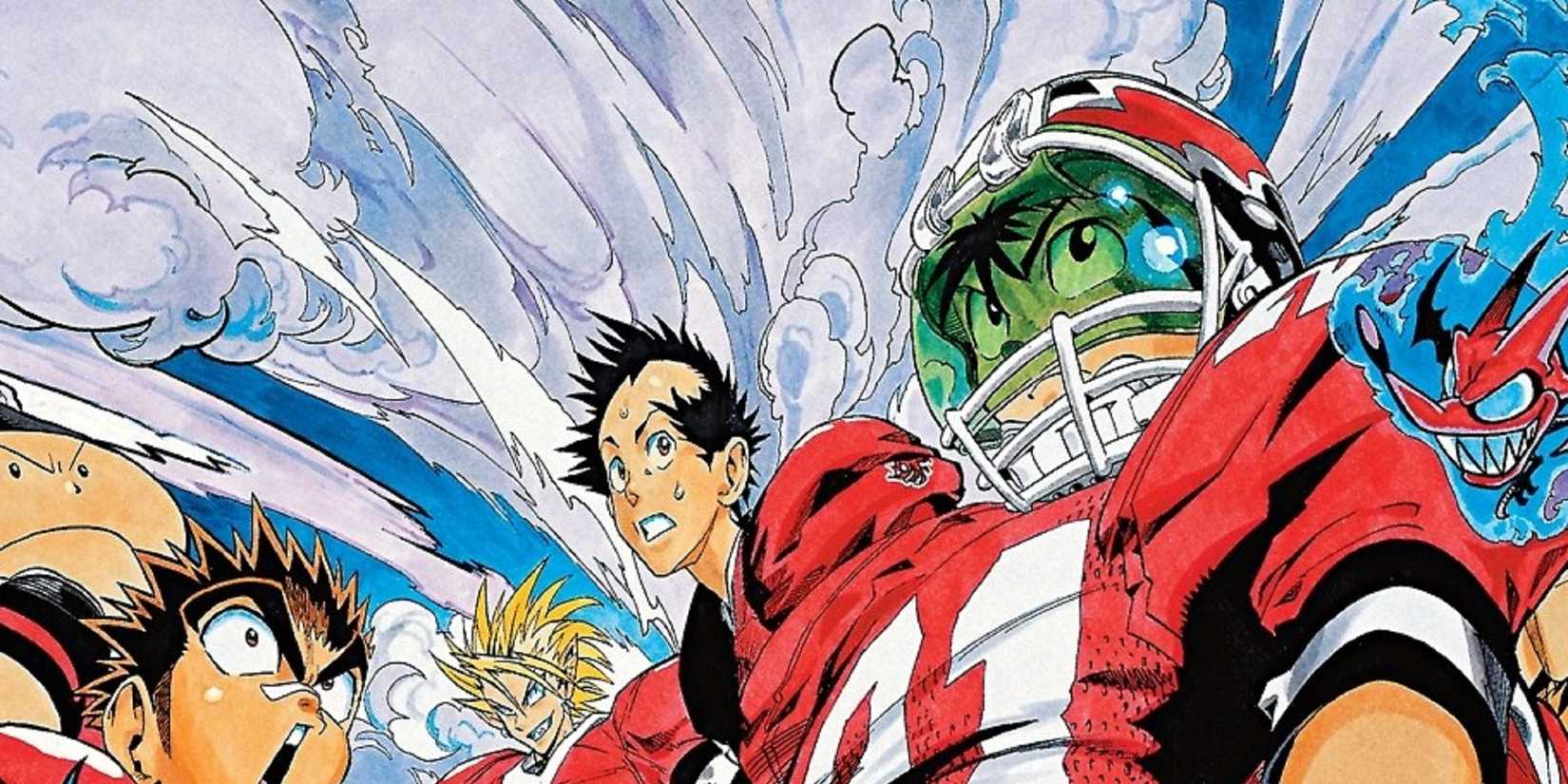
Most of the great sports manga are either about Basketball or Baseball. But Riichiro Inagaki’s Eyeshield 21 stands out with its focus on Football. Long before he gained worldwide popularity with Dr. Stone, Eyeshield 21 was Inagaki’s big breakthrough and showed off just how talented a mangaka he is.
The series follows Sena Kobayakawa, who is recruited to play for his school’s football team after the team captain, Youichi Hiruma, catches a glimpse of Sena’s incredible speed while he’s running away from some bullies. Soon enough, Sena becomes his team’s secret weapon, discovering a love for the sport while also forging strong bonds with his teammates.
Medaka Box

Probably one of the most unconventional Jump Manga out there, Medaka Box is an overlooked classic that stands in the shadow of many other amazing battle shonen of its generation. Written by Monogatari series creator Nisio Isin and illustrated by Akira Akatsuki, the series is a deconstruction of classic battle shonen tropes, giving us a seemingly perfect protagonist and pairing her up with an incredibly ordinary but well-written deuteragonist, creating an interesting dynamic between the two that the series does a great job of exploring and developing throughout its run.
The series follows childhood friends Medaka Kurokami and Zenkichi Hitoyoshi, members of their school’s Student Council, who go around solving problems brought to their attention via a suggestion box the students have dubbed the ‘Medaka Box’. Medaka herself is perfect in every way, incredibly skilled and able to take any challenge head-on. But as things go on, the duo finds themselves in increasingly dangerous situations.
Death Note
You can’t mention classic 2000s Jump manga without giving Death Note its flowers. Tsugumi Ohba and Takeshi Obata’s incredible psychological thriller has been winning fans over for decades. The anime adaptation played a big part in the series becoming as popular as it is, but the manga still stands on its own as one of the best of its generation.
Light is an interesting protagonist, showing just how much power can corrupt when it falls into the wrong hands. His cat-and-mouse game with L delivers some incredibly exciting moments, and even though he makes his fair share of mistakes along the way, it’s always an interesting ride.
Bleach
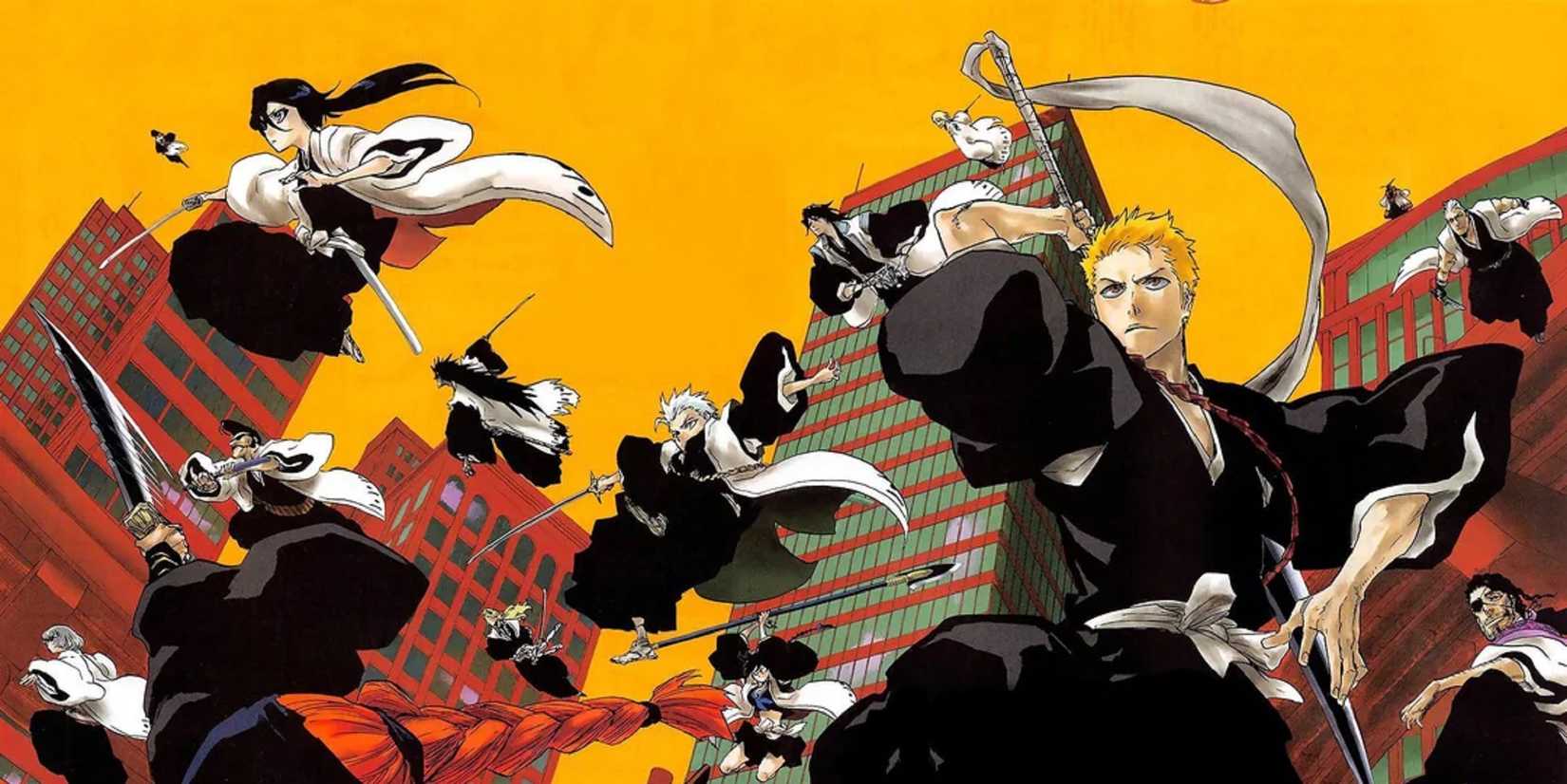
The only one of the ‘Big 3’ that premiered in the 2000s, Bleach remains an iconic series. Tite Kubo’s unique supernatural battle shonen established itself as one of the most iconic series of the 2000s, taking popular shonen tropes and adding its own unique spin to them.
Bleach is experiencing a big resurgence right now thanks to the Thousand-Year Blood War anime adaptation, but it is worth noting that the series started to wane in popularity towards the end of its run. Still, that doesn’t take away from all the great, iconic moments that it gave fans, and this sudden boost in popularity with the anime’s return only solidifies Bleach as one of the 2000s most iconic manga.
Gintama
It might not have experienced the same kind of popularity as the ‘Big 3’ did outside of Japan, but Gintama is without a doubt one of Weekly Shonen Jump’s standout series of the 2000s. With over 70 million copies in circulation, it’s one of the best-selling manga of all-time. It has inspired a long-running anime adaptation alongside various anime movies and a couple of live-action films.
The series excels as both a gag comedy series and also provides some incredible action and moments for its cast to develop and grow in more serious arcs. This is what really makes Gintoki, Kagura, and Shinpachi’s adventures stand out. Sure, Gintama, is mostly focused on making you laugh, but in between the moments of levity, you’ll find some incredible writing and one of the most exciting, high-stakes battle shonen you’ll come across.
